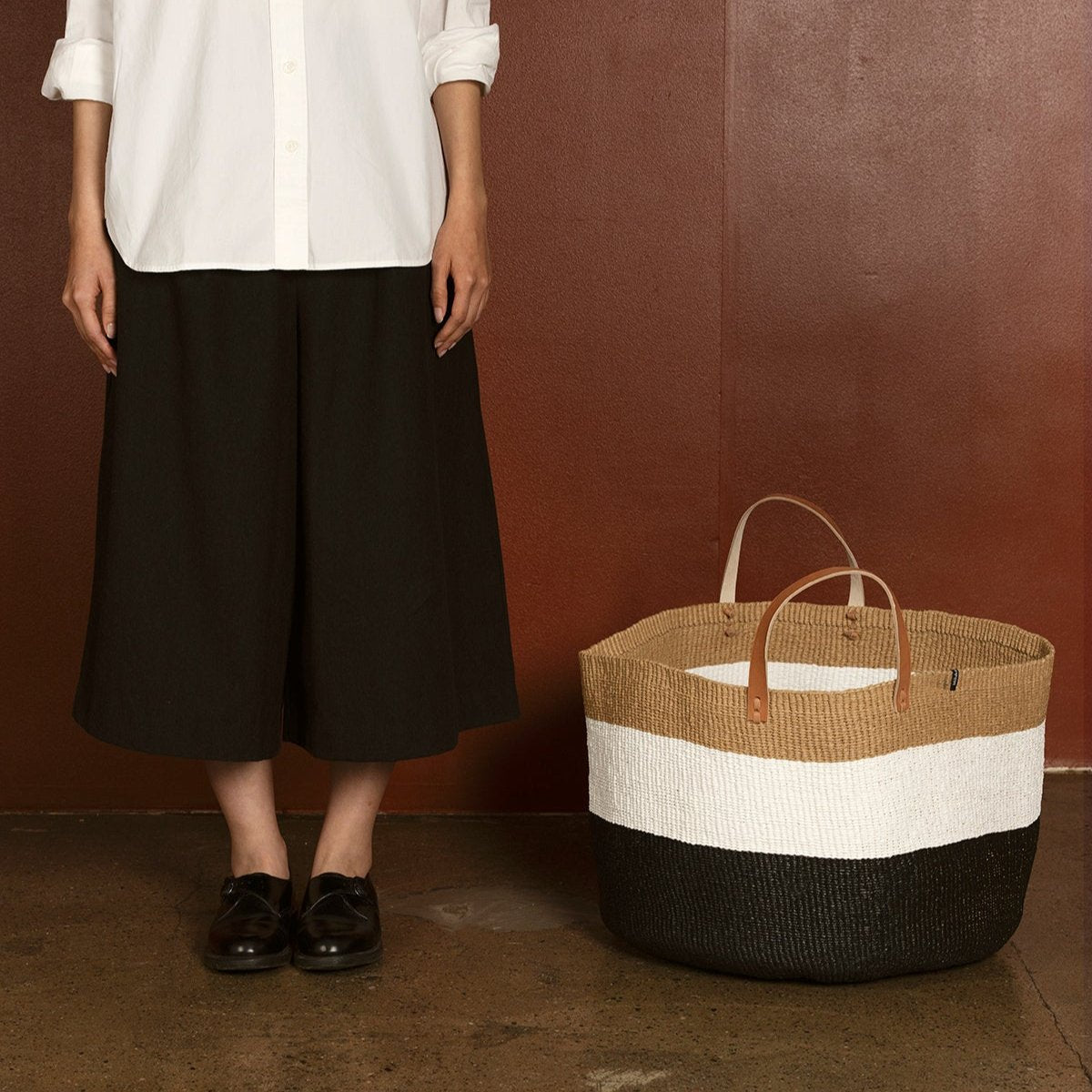


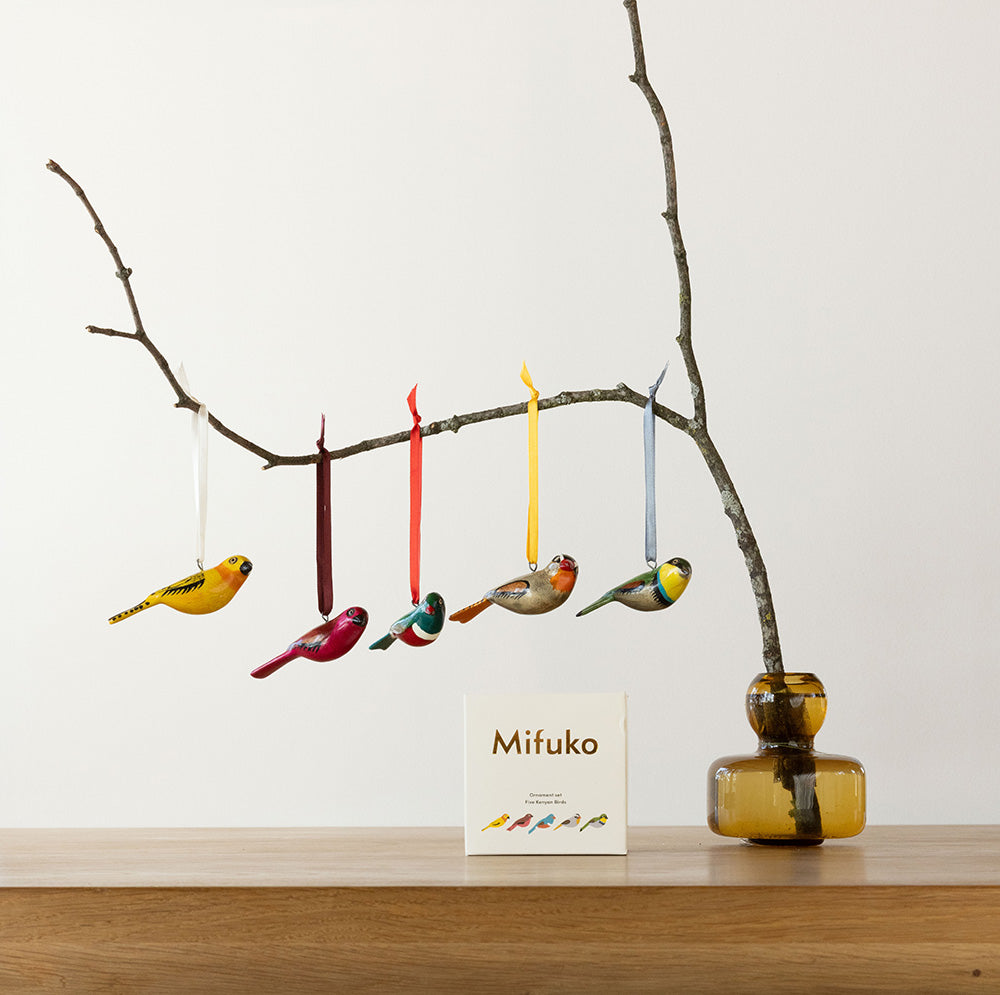



In addition to practicality, home storage solutions can also be meaningful interior elements. A handmade design basket brings a human touch and a unique look to a space that is difficult to achieve with mass-produced items. It functions as an everyday organizer while bringing warmth and vibrant craft traditions into interior decoration.
Nordic minimalist interior design often requires natural materials alongside it to introduce softness and break clean lines. A design basket woven from natural fibers pairs well with clear architecture and simplified aesthetics. However, it is important to know how to ensure that the product brought into the home has been produced responsibly, respecting both the environment and the maker.
A handmade design basket is always a unique showcase of skill
Slight variations in weave pattern and subtle irregularities are always visible on the surface of a handwoven basket. These are proof of authentic craftsmanship, not manufacturing flaws. Each basket is a unique piece that does not originate from industrial mass production. Instead of the uniformity of a machine-made product, a handmade item brings natural vitality and character to a space.
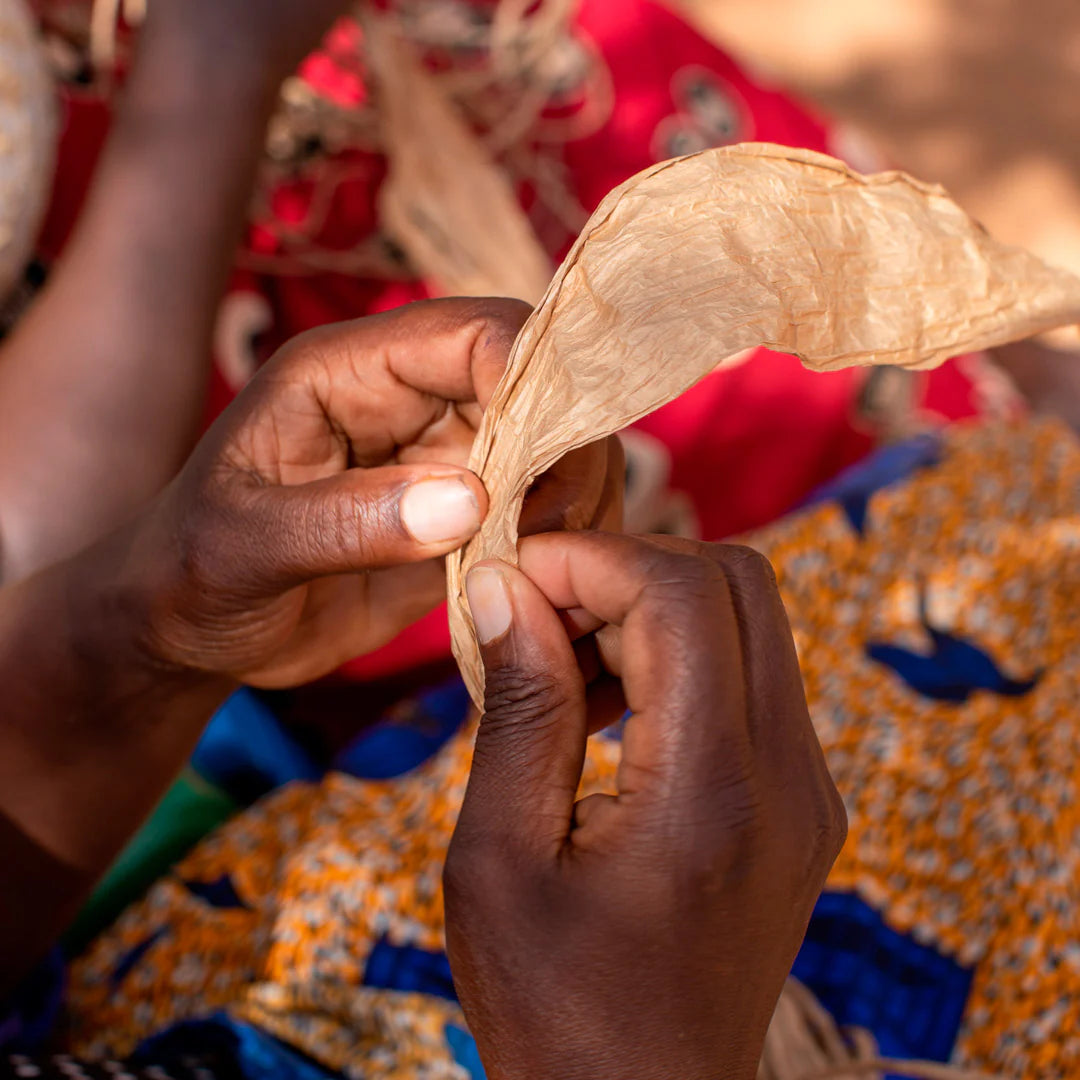
Weaving skills are passed down from generation to generation, often within the family. Tacit knowledge regarding the choice of fibers, pre-treatment, and durable weaving techniques remains alive through practical work. Acquiring such an item supports the preservation of traditional craft skills. A significant amount of time and precision is invested in the production process, which is reflected in the high quality and durability of the finished product in everyday use.
How to recognize an authentic, ethically and sustainably produced design basket?
There are plenty of imitations and machine-made baskets on the market that may at first glance look similar to authentic handmade products. However, recognizing a high-quality and ethical basket is possible when you know what factors to pay attention to.
The first clear hallmark is the quality of the material. Responsibly produced baskets are made from high-quality, renewable natural fibers, such as sisal, without harmful chemical treatments. High-quality sisal fiber feels flexible and strong, and has a natural scent. It withstands long-term wear and maintains its shape year after year.
Another important criterion is the transparency of the supply chain. Ethically operating companies openly share details about product manufacturing sites and working conditions. An authentic ethical basket often comes with information about its maker – for example, the maker's own signature on the product tag. This gives a face to the product and verifies its origin.
Responsible operations are based on internationally accepted fair trade principles. Fair trade guarantees rural artisans fair compensation, enabling a stable livelihood, healthcare, and education. Commitment to official World Fair Trade Organization (WFTO) standards ensures that purchasing the basket supports the local community and promotes ethical development.
How to bring softness and texture to modern Scandinavian decor using baskets?
The Nordic interior style emphasizes clean lines, neutral shades, and simplified aesthetics. However, a minimalist space may call for natural warmth alongside it so that the end result does not feel too cool or hard. A handmade design basket provides soft contrast that balances straight-lined furniture and hard materials such as concrete, glass, or metal.
The rounded shapes and natural surfaces of baskets bring texture and depth to the interior. By combining baskets of different sizes and colors, you can build functional storage solutions throughout the home. Smaller, colorful baskets are suitable for storing small items on shelves and tables. Larger models keep throw blankets and magazines on the floor neatly organized. Controlled color combinations bring vitality to the room while keeping the calm overall appearance intact.
Multicolored Kiondo Baskets
Handwoven and durable, the Kiondo basket combines traditional craftsmanship with modern Nordic design. The combination of natural fiber and various color shades makes the product a practical and stylish addition to home decor.
Discover the Anyango basketCan a handmade basket made of natural material be used as a plant pot cover?
Combining plants and natural materials is a popular way to decorate. However, many wonder whether a basket made of natural fiber can withstand soil and moisture. A basket can be used as a pot cover as long as a few basic rules are kept in mind.
Sisal as a material is exceptionally strong, tough, and flexible. It resists wear significantly better than many other plant fibers. However, to keep the basket in good condition for a long time, direct and prolonged wetting of the fiber surface should be avoided.
A practical solution is to place a waterproof saucer at the bottom of the basket and place the plant in a plastic or ceramic inner pot before lowering it into the basket. This prevents irrigation water from spilling directly onto the basket's fibers and keeps the structure dry. Since sisal is a breathable natural material, it pairs very well with plants as long as direct moisture is managed.
Supporting craftsmanship promotes local well-being
Purchasing choices have a major impact on the sustainability of supply chains. Instead of mass production, purchasing an ethically made product directly supports the livelihood and quality of life of artisans. A design basket with a transparent origin is a sustainable choice that carries the skill and expertise of its maker.
Fair trade principles secure a stable source of income for artisans living in rural areas of developing countries. Especially in areas where climate change makes farming difficult, weaving work provides crucial supplementary income. Regular income improves the financial independence of families, enables children to attend school, and facilitates access to healthcare. Every purchase directly supports the independent livelihood of local communities.
Collaboration and ethical design
Mifuko baskets combine Finnish design and Kenyan craftsmanship expertise. By choosing an authentic, WFTO-certified product, you support sustainable development and ensure that the artisan receives fair compensation for their work.
Explore Majani baskets and find a sustainable decor product for your homeThe choice of interior elements can influence the look and values created within a home. When an ethically made, handmade design basket is chosen for a space, the preservation of traditional craft and sustainable development are supported at the same time. Natural materials and timeless design create a comfortable and long-lasting ensemble that endures in use year after year.