


The WFTO Guarantee System verifies compliance with WFTO’s Fair Trade Principles. The system covers the entire organisation, from its business model and organisational structure to its operations and supply chain.
As a WFTO member, Mifuko is committed to following WFTO’s 10 Principles of Fair Trade. We continuously strive to apply them fully across all our operations. Below is a brief overview of how these principles guide our work.
Opportunities for disadvantaged producers
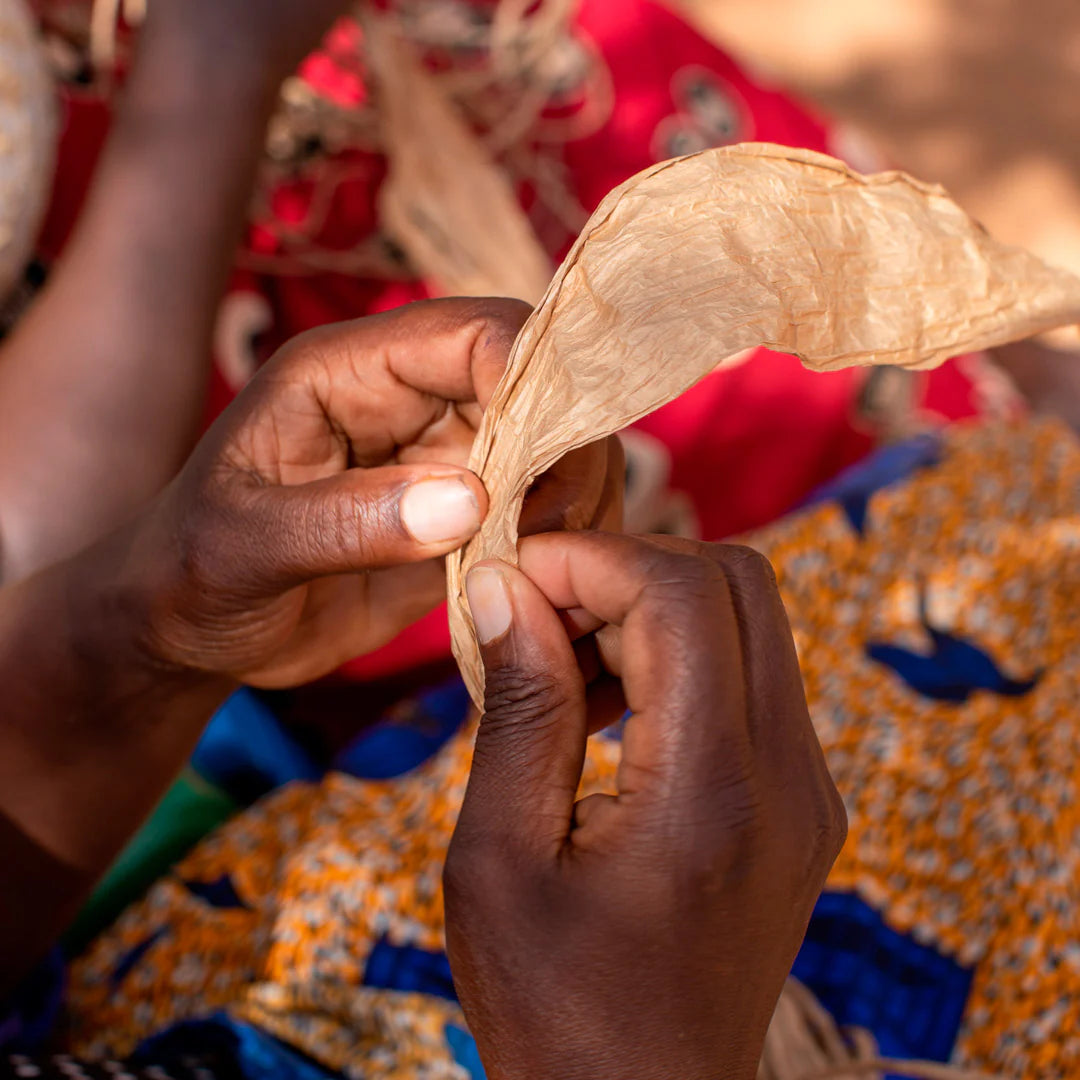
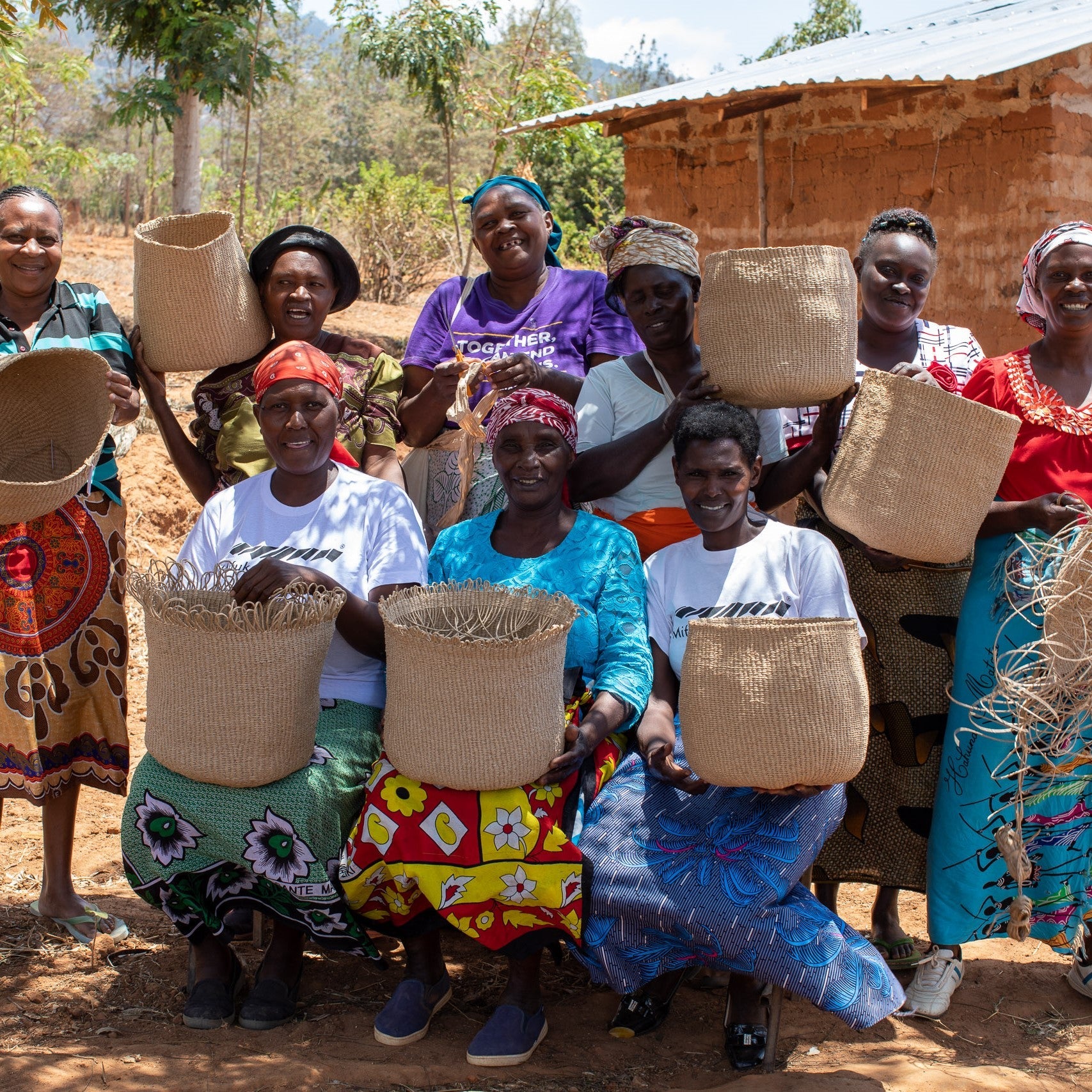
Mifuko works with hundreds of artisans in rural Kenya, most of whom are women. They make baskets, bags, decorative items and much more. The products they make for Mifuko provide them with a source of fair additional income.
Transparency and accountability
We regularly travel to meet artisans and self-help groups in Kenya, and our local employee visits the artisans frequently. During these meetings, we discuss ways to build capacity and improve business practices, as well as topics such as craftsmanship and quality, health issues and sustainability.
Fair trade practices
We ensure that all payments reach the artisans and aim to build long-term relationships based on trust and mutual respect. Mifuko pays a 50% advance on confirmed orders, with the remaining amount paid when the order is completed. We never cancel orders or reject deliveries.
Fair payment
We follow an inclusive business model in which creating positive change in low-income communities is a key part of our approach. The starting point is to determine fair payment for the products we receive from artisans. We use the WFTO Living Wage Ladder as a tool to support payment calculations, but the final amount is agreed together with the local artisan community.
No child or forced labour
We monitor the well-being of our artisans and their families through self-help groups and by visiting the areas where our products are made on a regular basis. The additional income artisans earn from Mifuko supports their families’ livelihoods, and some artisans have told us that they use this income, for example, to cover costs related to their children’s education. We also work closely with our material suppliers to ensure compliance with labour legislation and rely on established logistics and transport service providers that have their own monitoring systems in place.
No discrimination, gender equity and freedom of association
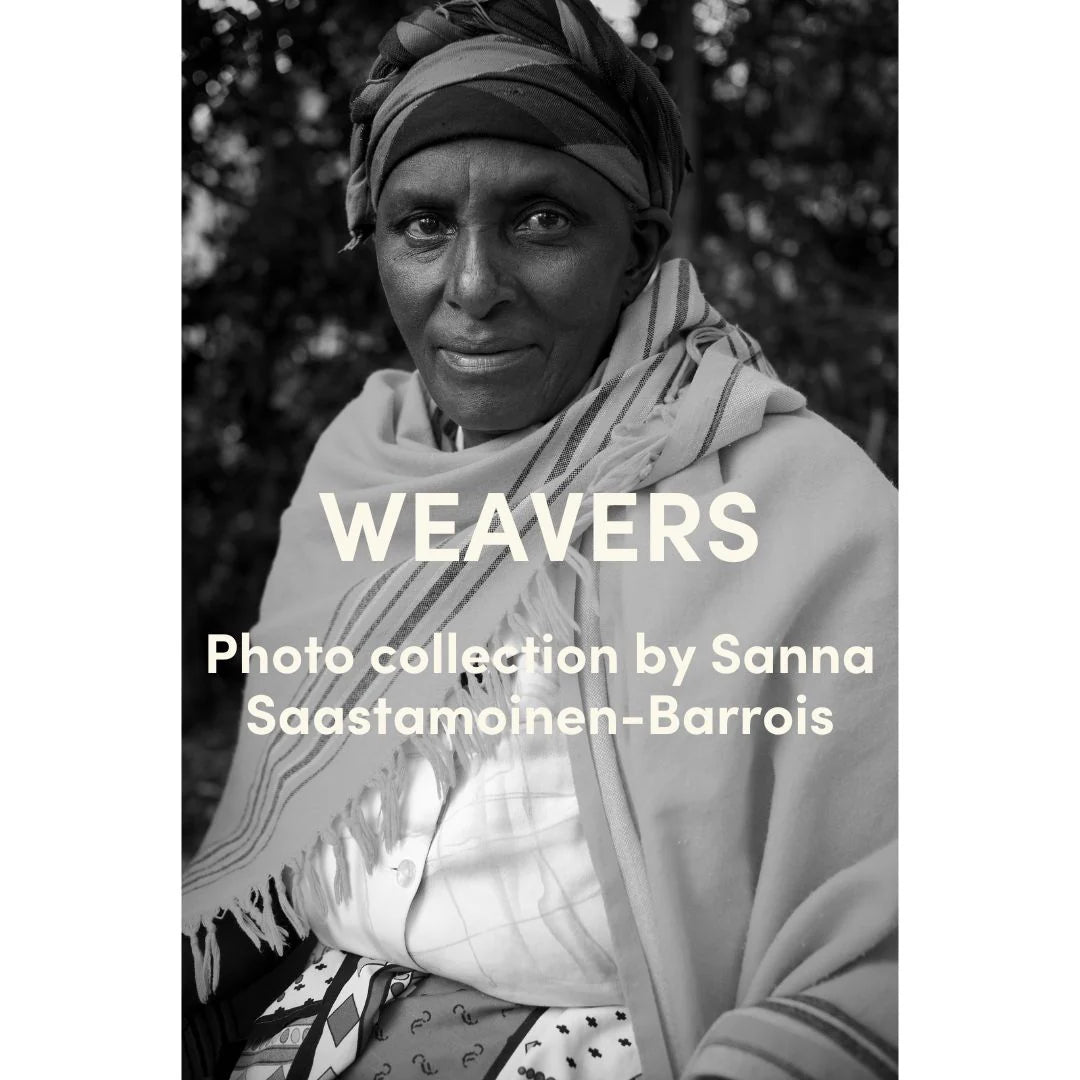
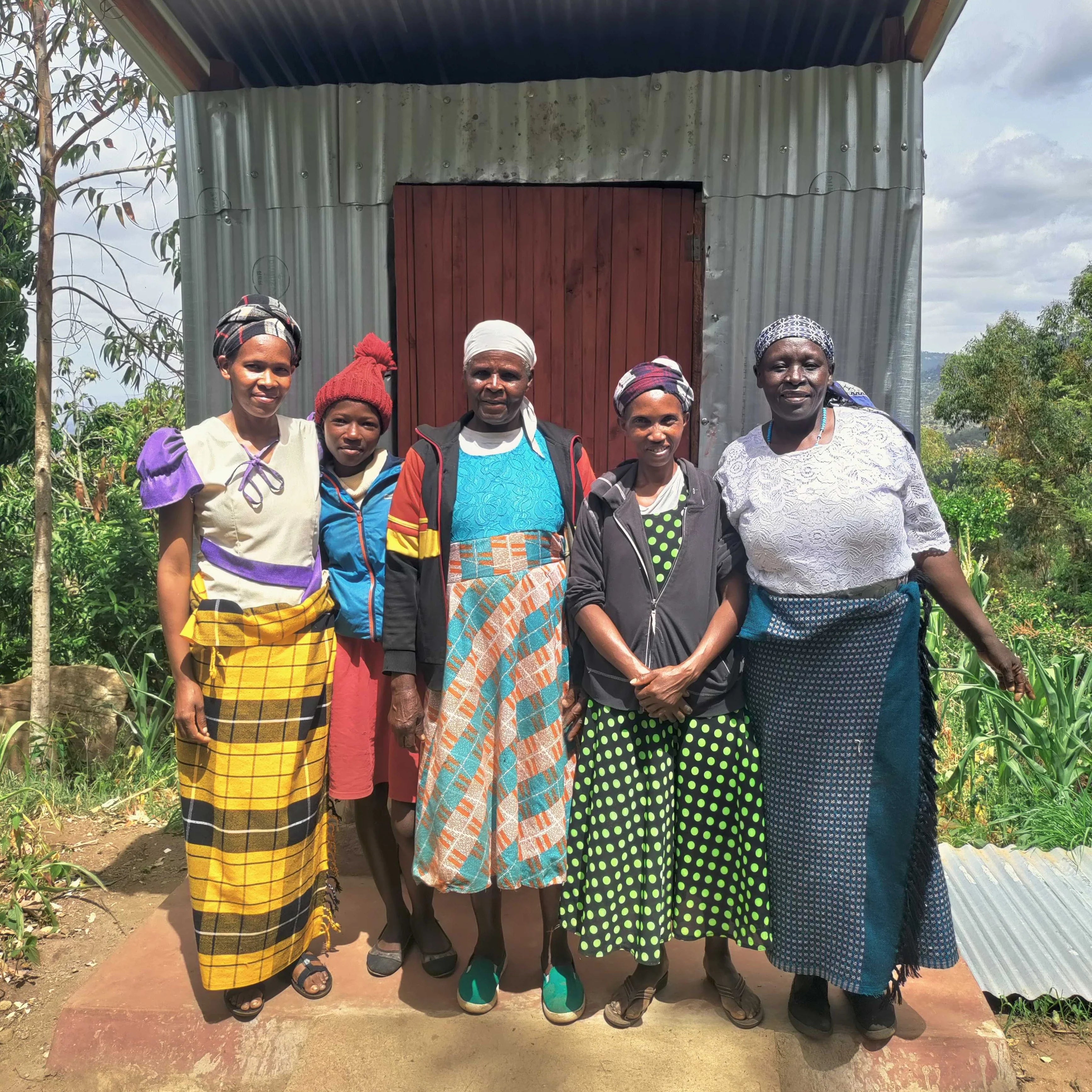
Most of Mifuko’s artisans are women aged 29–70 and belong to local self-help groups. The groups provide women with opportunities to earn their own income, save money, participate in decision-making and take on leadership roles. Some artisans interviewed in Kenya have also described increased self-confidence and a stronger position within their family or community.
Although most artisans are women, all adults, regardless of gender, are welcome to join the self-help groups and weave baskets for Mifuko.
Good working conditions
We aim to make the production of Mifuko products as safe as possible. Non-toxic and safe materials are delivered to the artisans, and finished products are collected from the villages. This helps artisans avoid potentially dangerous journeys to markets. Artisans can also work from home and at times that suit them best, for example outside the farming season or while breastfeeding.
Capacity building
Mifuko works together with artisans to develop products, weaving and finishing skills, and product quality. Artisans interviewed in Kenya have said that the training has strengthened their skills. Some also use their expertise beyond Mifuko orders by selling baskets at local markets or teaching their skills to others.
We also aim to strengthen the skills of self-help group leaders, as they play an important role in the operation and development of the entire group.
Promote fair trade
To raise awareness of the importance of Fair Trade, Mifuko promotes the work of WFTO through its digital communications, product stories, trade fairs and events. Fairness is embedded throughout our operations, and we aim to communicate its importance to our customers and partners.
Respect for the environment
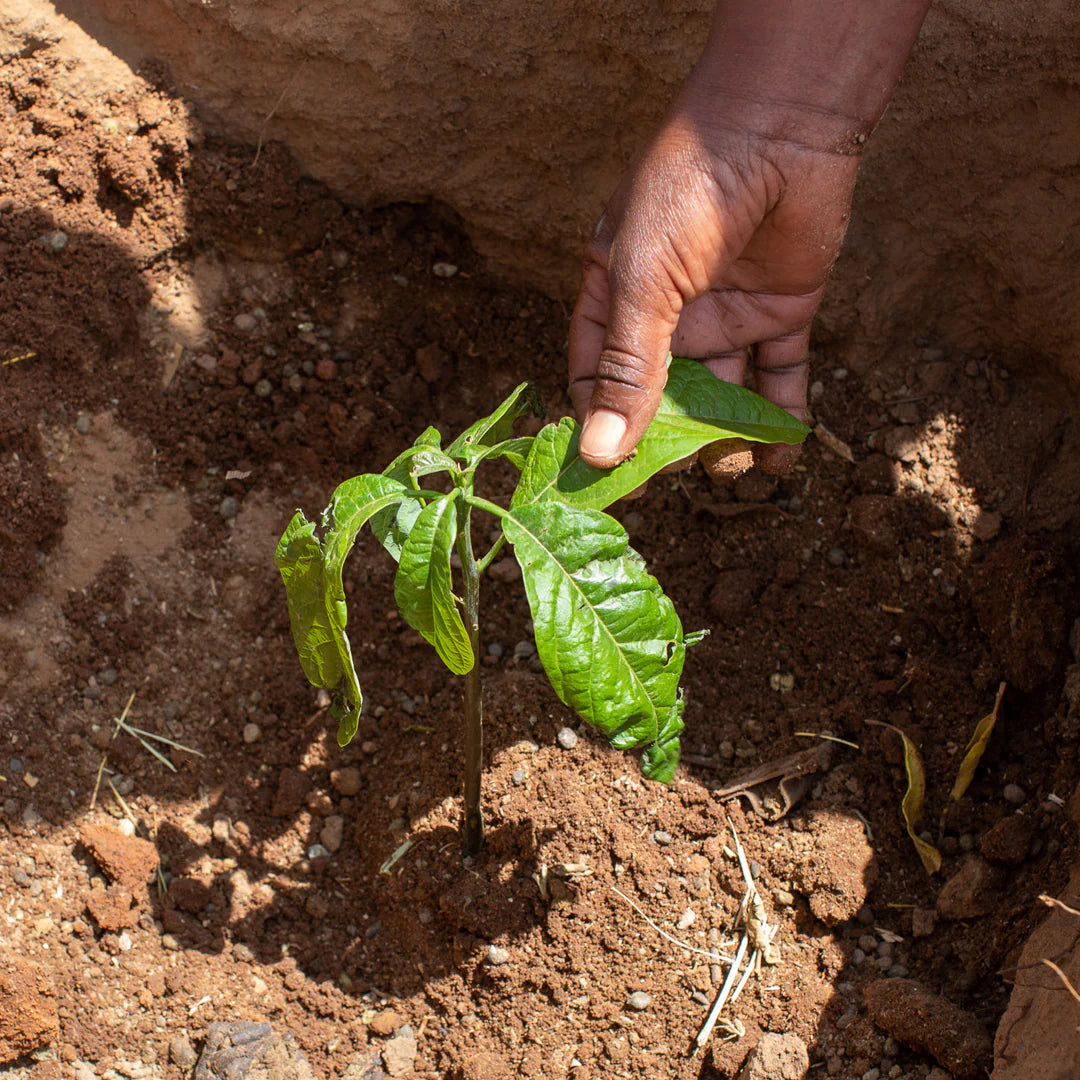
Mifuko products use local materials and available side streams when they are suitable for the products. Mifuko has calculated its 2024 greenhouse gas emissions in accordance with the GHG Protocol, and the results are used to identify key emission sources and plan emission reduction measures. In the 2024 calculation, an emission factor of 0 kg CO₂e/kg was used for the raw material stage of several materials used in our products, including elephant grass, milulu grass, palm leaves and jacaranda wood. Transport emissions were calculated separately. Our products are designed for long-term use, with an emphasis on timeless design and durable construction.

The story of Mifuko

Sustainability
Learn more about what it means to be radically sustainable and have a
positive impact.
Mifuko Trust
Mifuko Trust was founded to tackle poverty and increase the well-being of our artisans.
Mifuko Blog
Latest articles
Ethical design basket: How to recognize an authentic and sustainably made home decor product?
Breathable decorative laundry basket: How to avoid musty smells and mold in dirty laundry?