

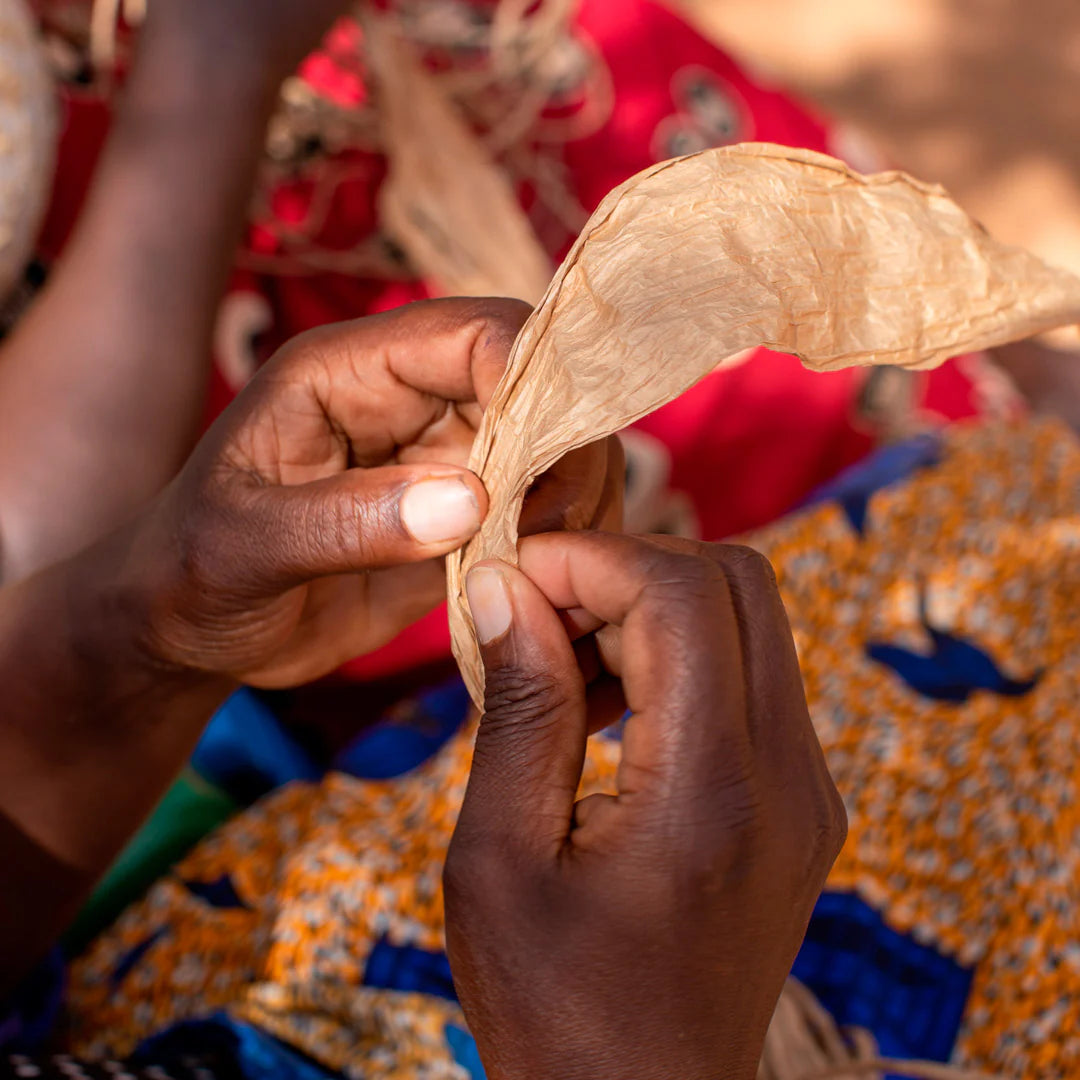
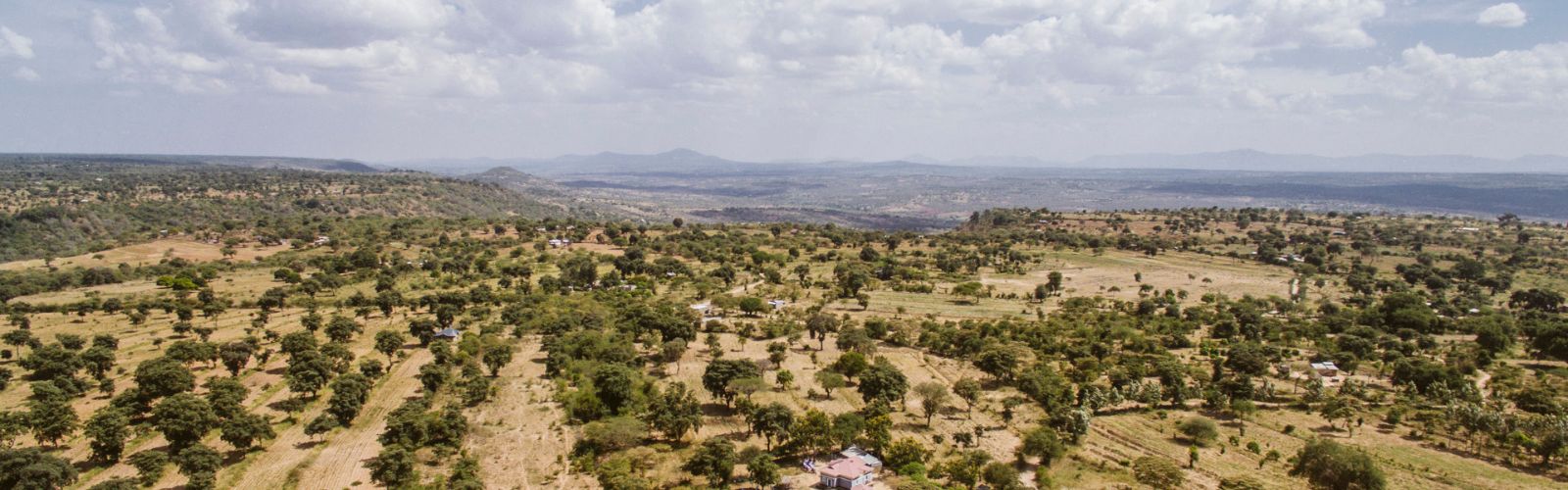
Mifuko was founded in 2009 to bring together Nordic design and traditional African craftsmanship and to create income opportunities for women in rural Kenya. Our products are made in Kenya and Ghana. Our business model is verified by WFTO, and Mifuko is a Certified B Corporation. In 2025, our work was recognised with the Sustainability Action award at the Finnish Fashion Awards.
Social Impact
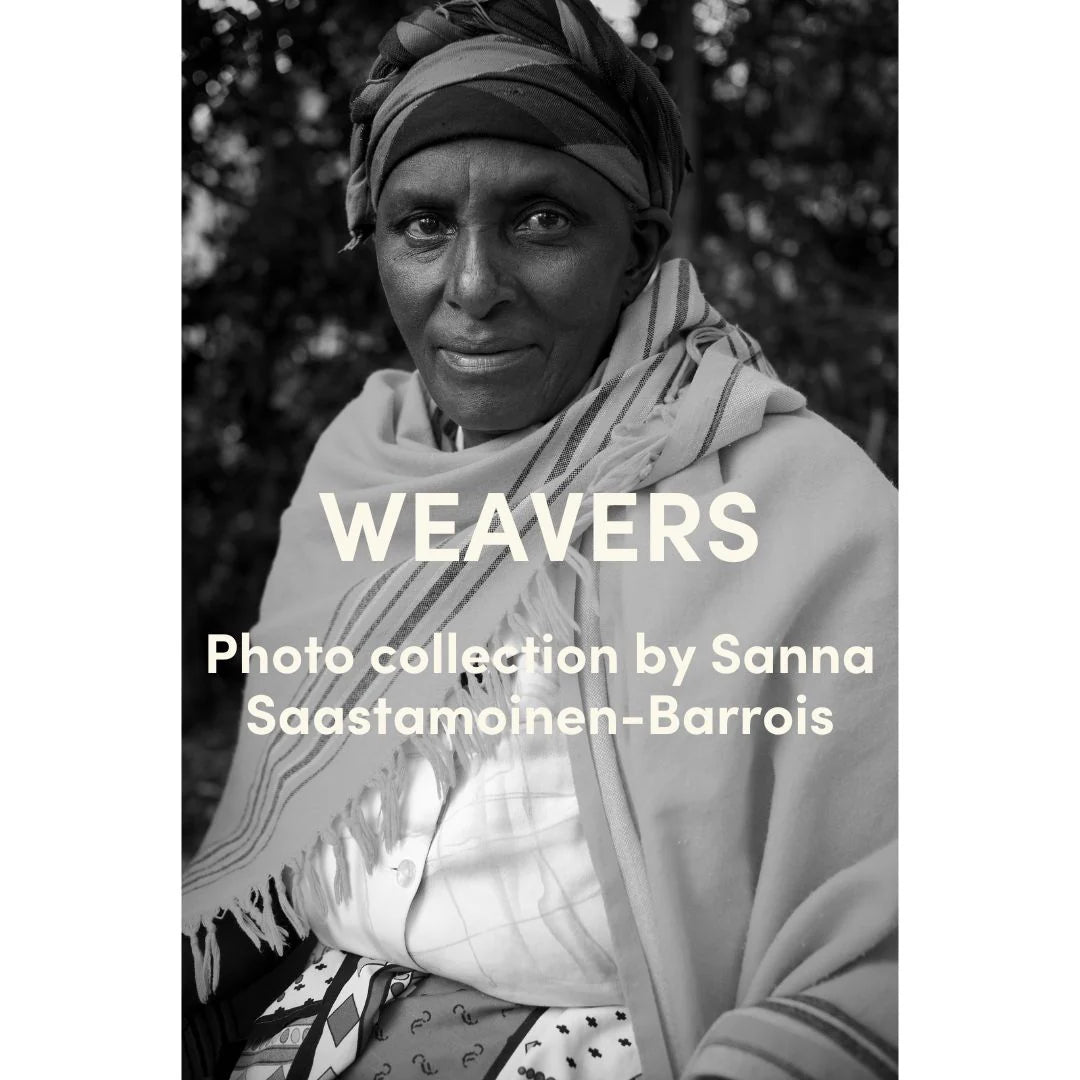
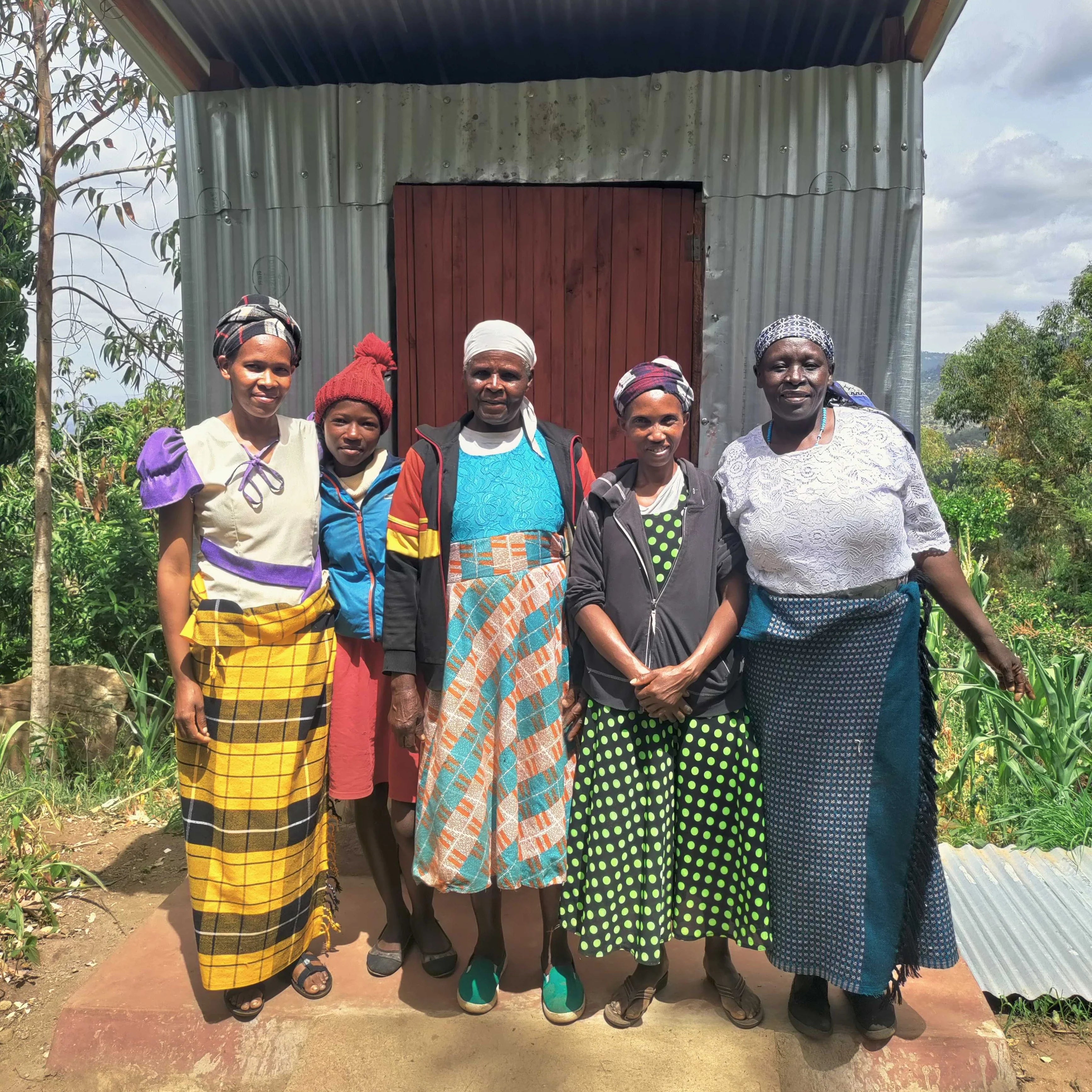
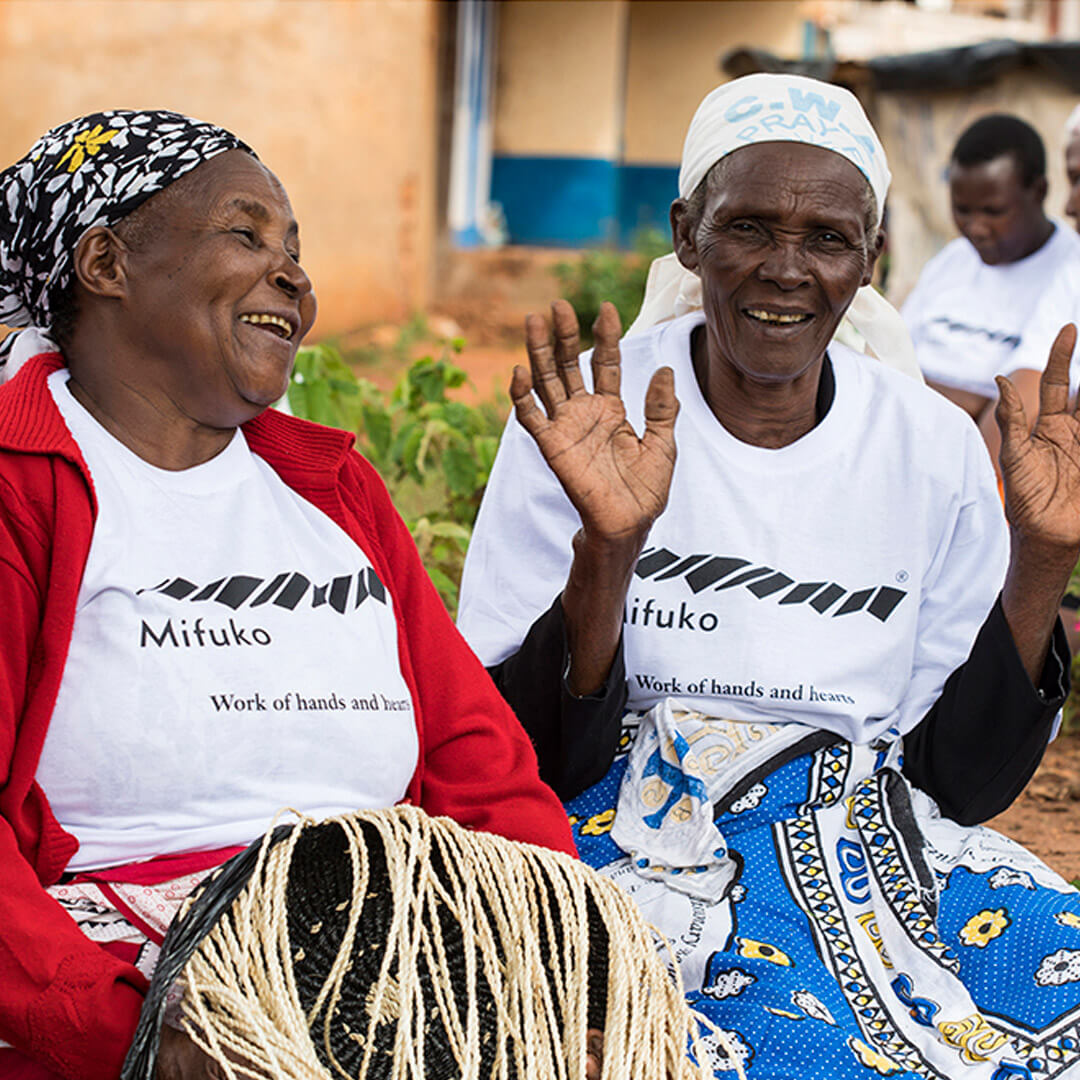
Mifuko’s business model supports women’s livelihoods in rural Africa through long-term trading partnerships with artisans. These partnerships are built around local self-help groups, where women earn an income through their skills, save money, share experiences and keep traditional craft skills alive.
Artisans interviewed in Kenya report using their weaving income to cover their families’ basic needs, pay children’s school fees, improve their homes and develop their farming activities and small businesses. The groups also provide loans to members in need, enabling them to invest in their families’ wellbeing or small businesses.
Read more
Environmental impact
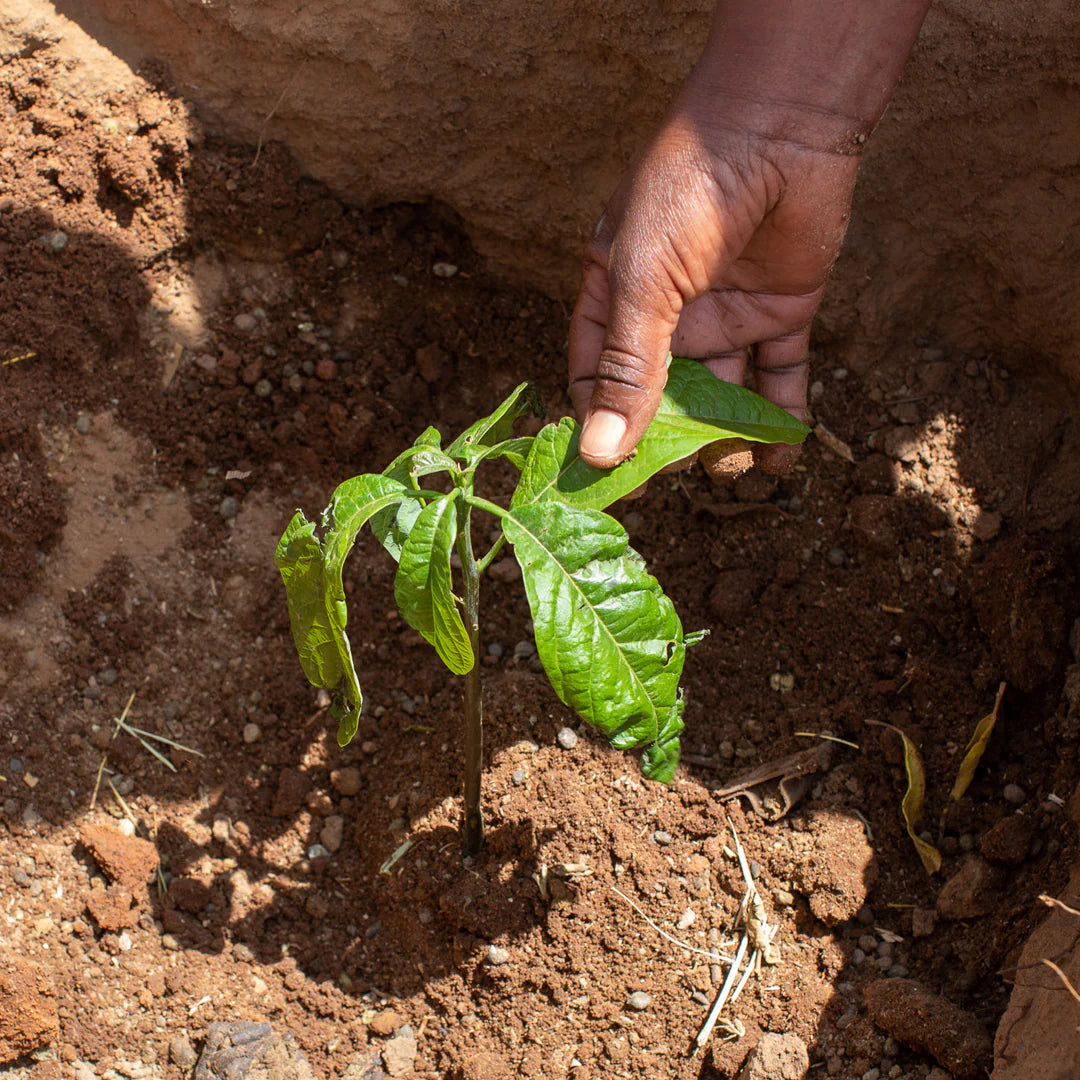
Our environmental work is based on concrete actions both in communities and within our own value chain. Mifuko Trust’s projects include solutions for water- and climate-smart agriculture that aim to support adaptation to climate change. Mifuko also measures greenhouse gas emissions across its own value chain in accordance with the GHG Protocol. Our products are handmade, and we provide information on the environmental characteristics of each material individually.
Read more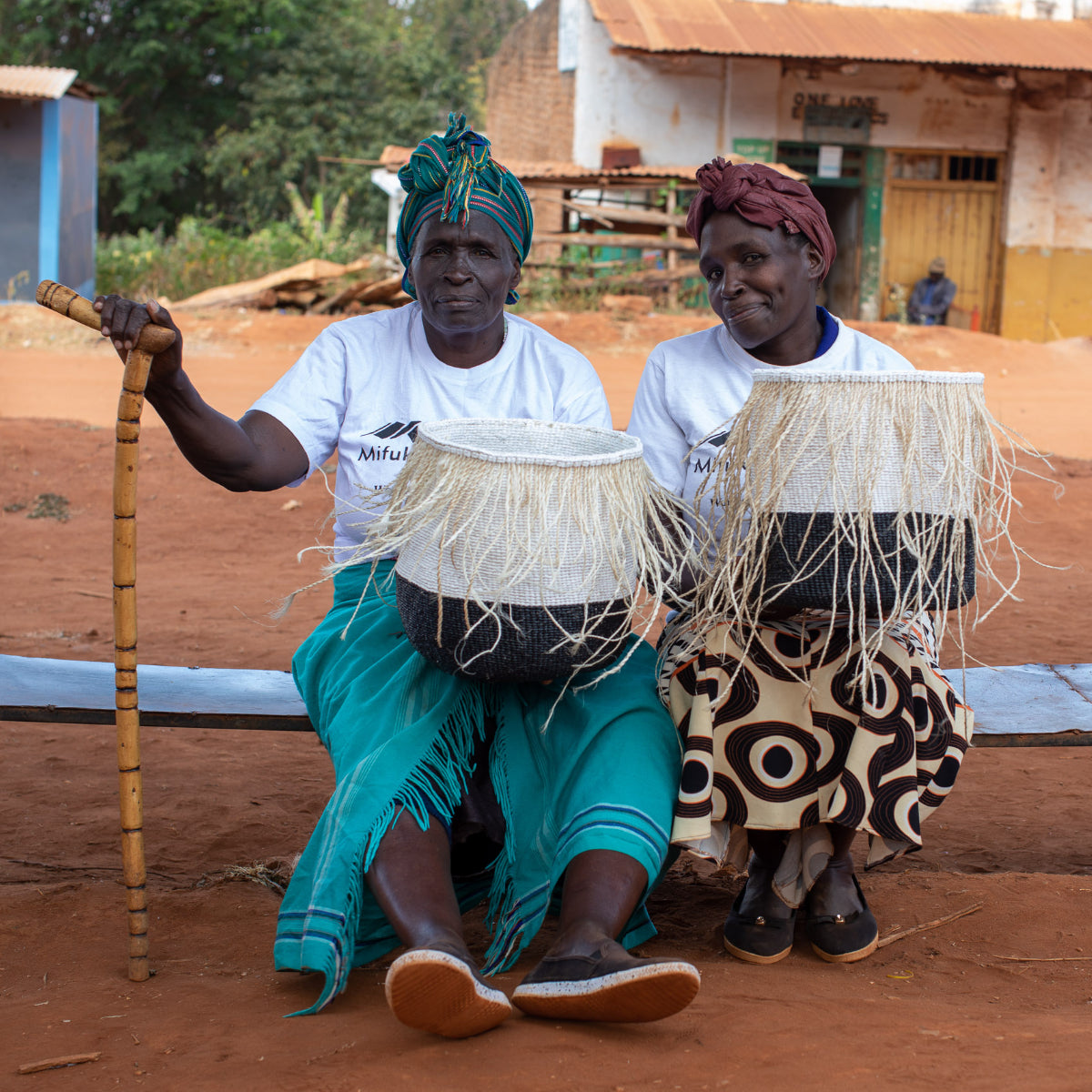
Economic impact
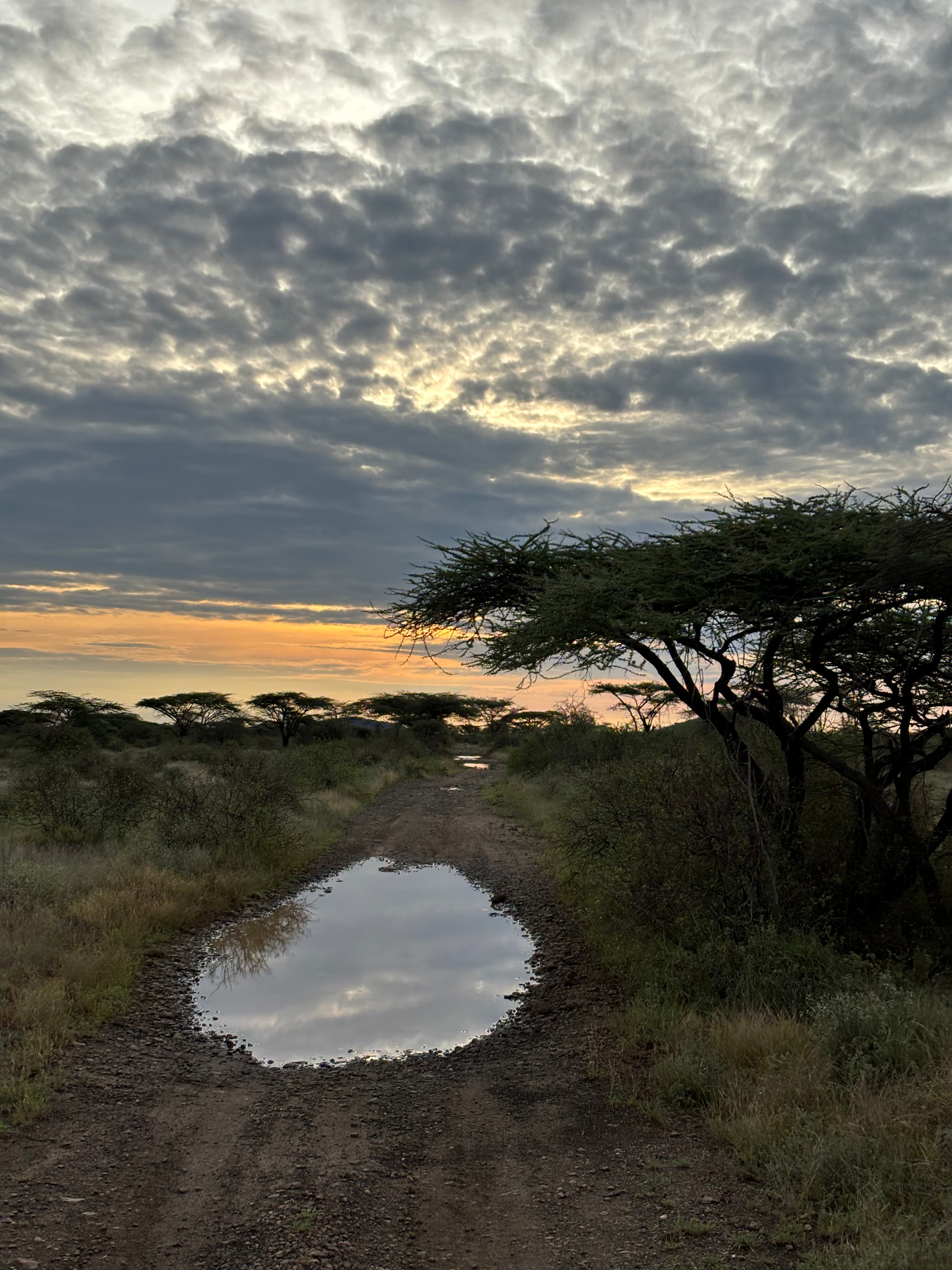
In Kenya, climate change has led to recurring droughts making farming, traditionally the primary source of income and sustenance, an unreliable foundation for a stable livelihood. The income our artisans earn from Mifuko basket weaving helps ensure that families are cared for when crops can no longer provide security.
Why an Emission Report?
Carbon footprint accounting provides a practical tool for assessing and understanding the main greenhouse gas emissions from business operations and the value chain. The first assessment establishes a baseline against which the effects of subsequent measures can be compared. It helps identify the most significant sources of emissions and target emissions reduction efforts.
The report supports both internal decision-making and external sustainability communications. Internally, its findings can inform development work and strategic choices. Externally, the report provides customers, partners and other stakeholders with concrete, transparent information about Mifuko’s greenhouse gas emissions.
An emissions reduction plan has been developed for Mifuko based on the assessment, identifying concrete measures to reduce emissions. Future assessments can be used to track changes in emissions and the effects of the measures implemented.
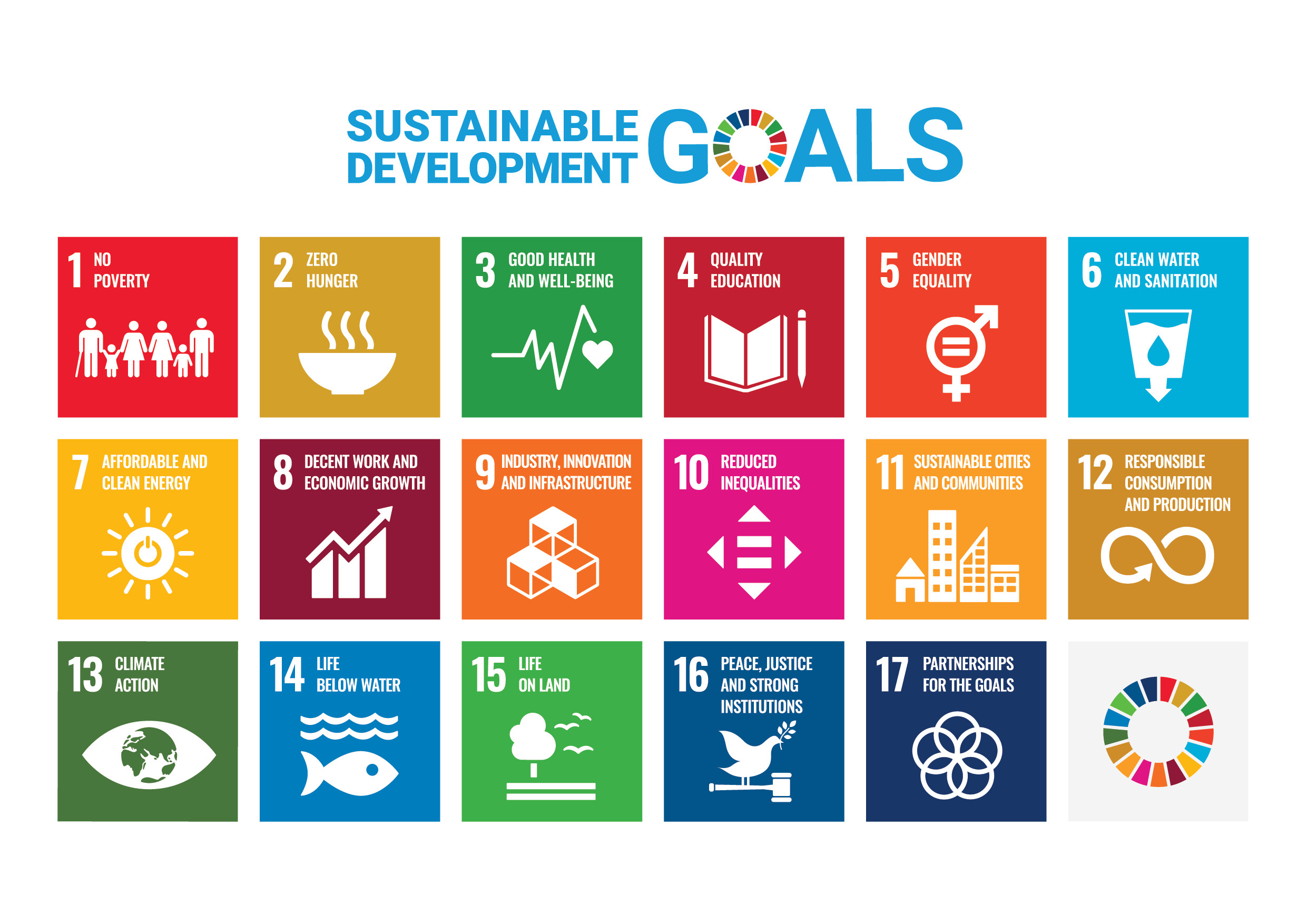
Sustainable Development Goals
The UN Sustainable Development Goals provide a framework for Mifuko’s social and environmental work. We have identified the following goals as particularly relevant to our activities. Across these sustainability pages, you can find concrete examples of how our work relates to each of them.
• Goal 1. End poverty in all its forms everywhere
• Goal 5. Achieve gender equality and empower all women and girls
• Goal 6. Ensure availability and sustainable management of water and sanitation for all
• Goal 12. Ensure sustainable consumption and production patterns
• Goal 13. Take urgent action to combat climate change and its impact
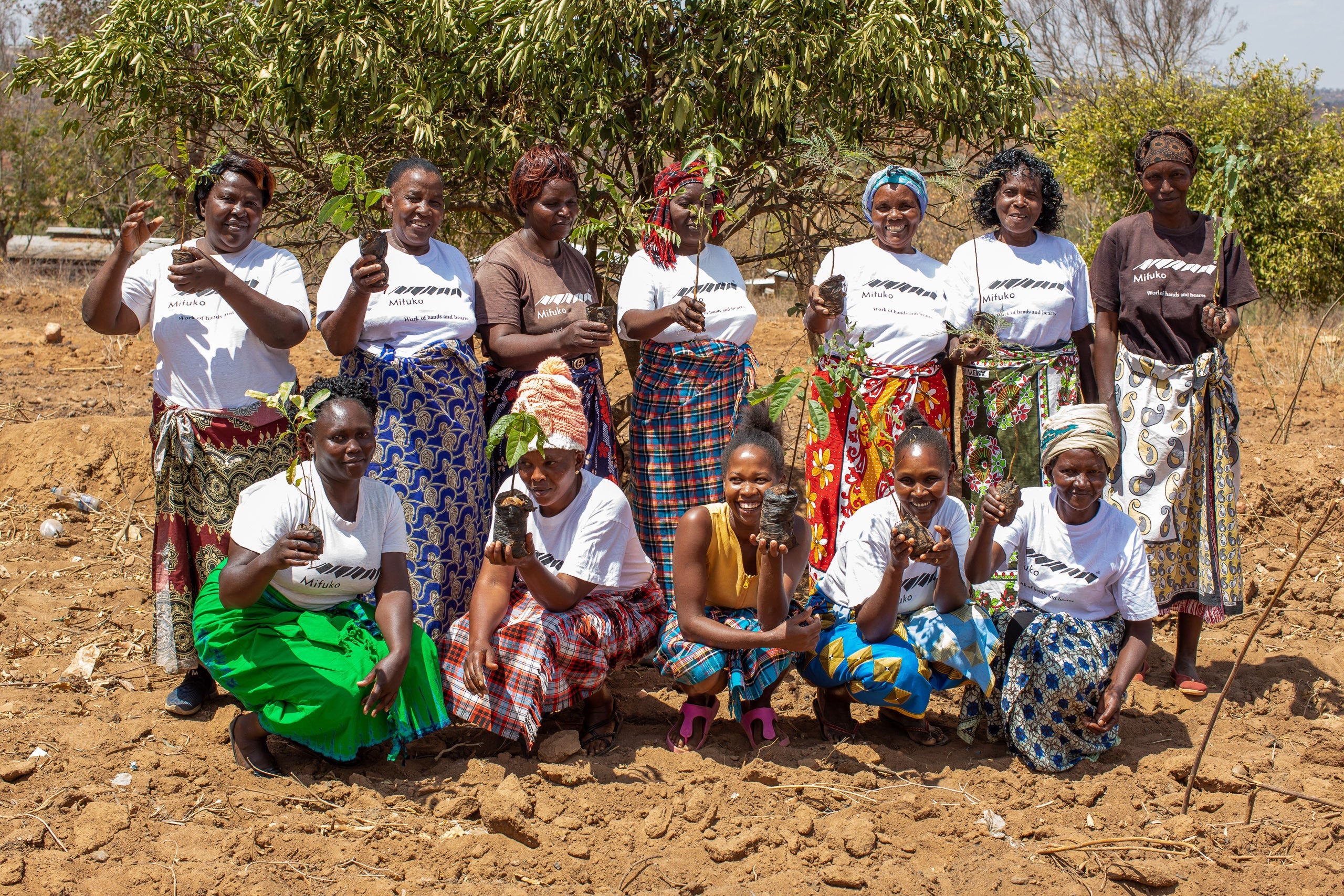
Mifuko Trust
Mifuko established the non-profit Mifuko Trust in 2012. Mifuko Trust is an organisation separate from Mifuko Oy and carries out projects together with local communities and partners, particularly in Kenya.
The Trust’s projects focus on areas including sanitation and hygiene, training in climate-smart agriculture and forest gardening, as well as gender equality and social inclusion. Ongoing projects in Kenya include WASH and Grow! II and Sowing Equality.
Mifuko Trust monitors the implementation and results of its projects using both quantitative and qualitative indicators.
10 principles
Read more about the ten fair trade principles that every WFTO member organisation must follow.
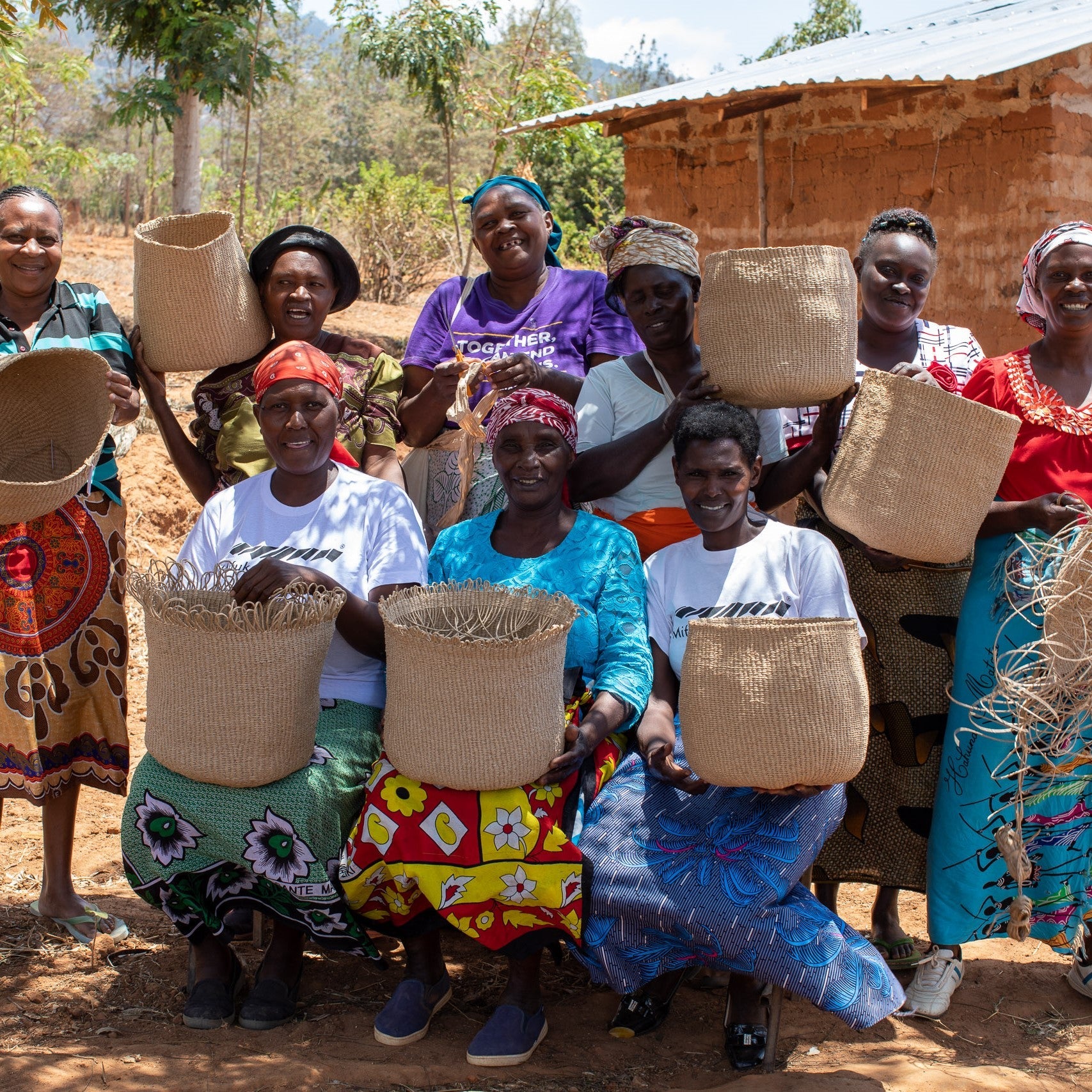
Mifuko Trust
Mifuko Trust was founded to tackle poverty and increase the well-being of our artisans.
Mifuko Blog
Latest articles
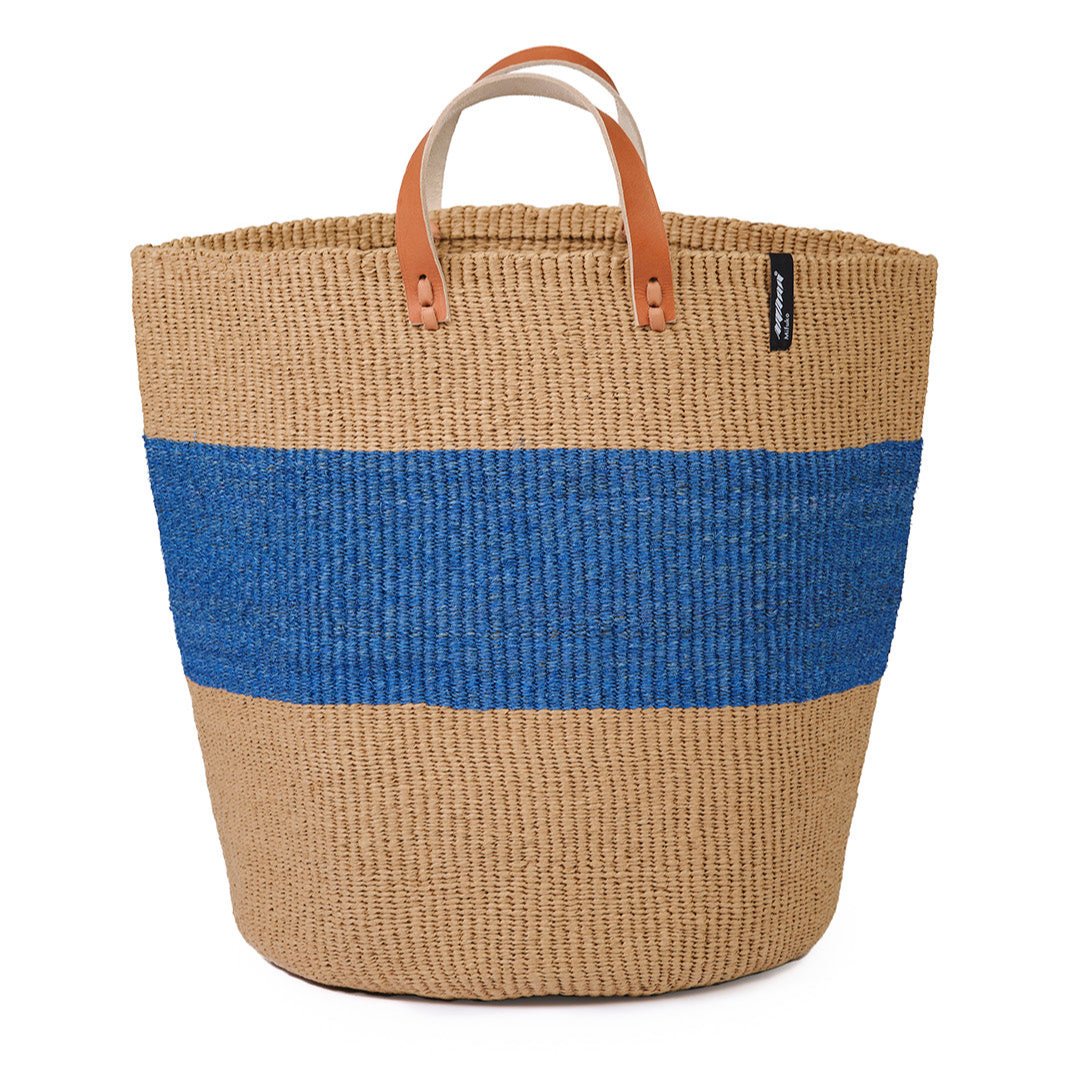
Ethical design basket: How to recognize an authentic and sustainably made home decor product?
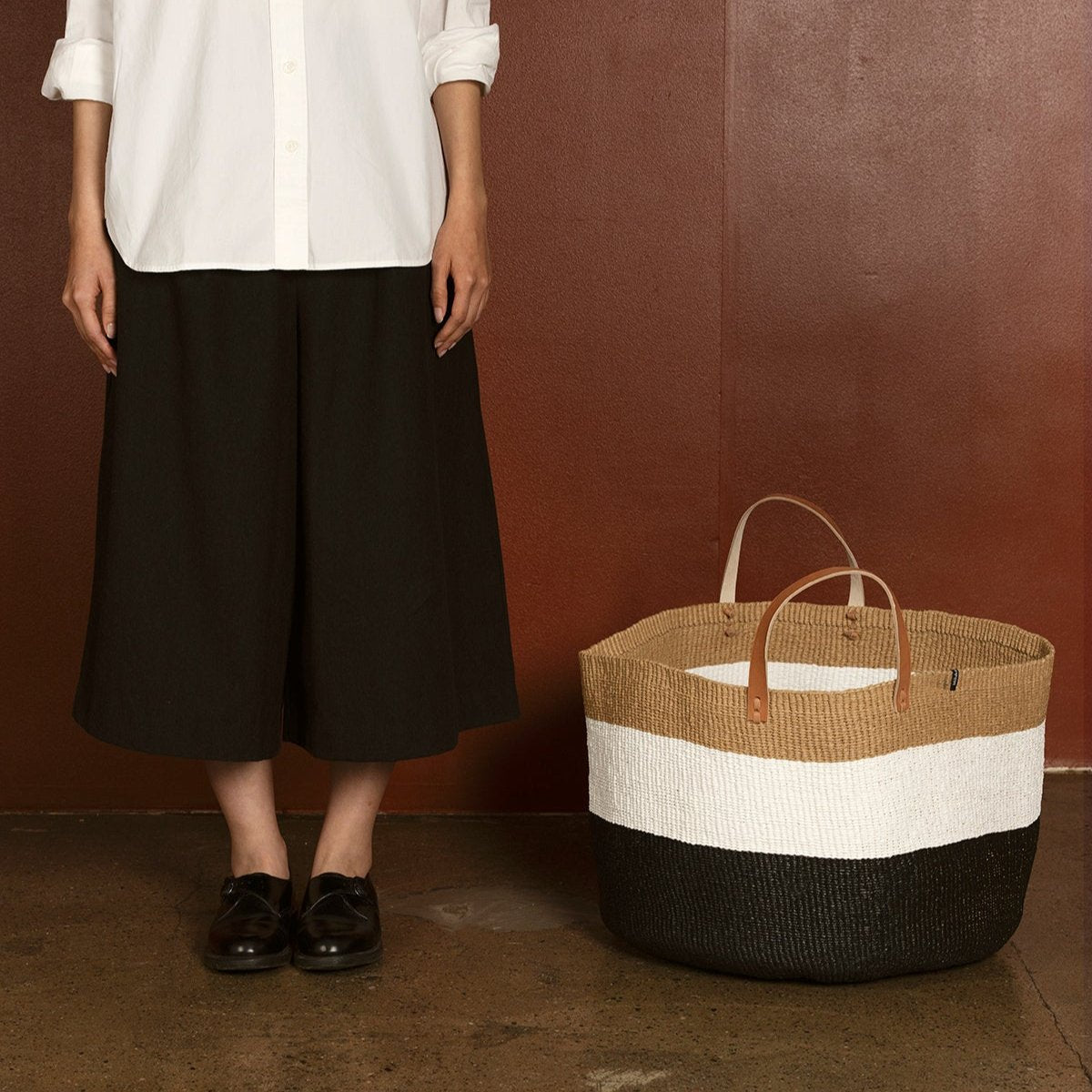
Breathable decorative laundry basket: How to avoid musty smells and mold in dirty laundry?