

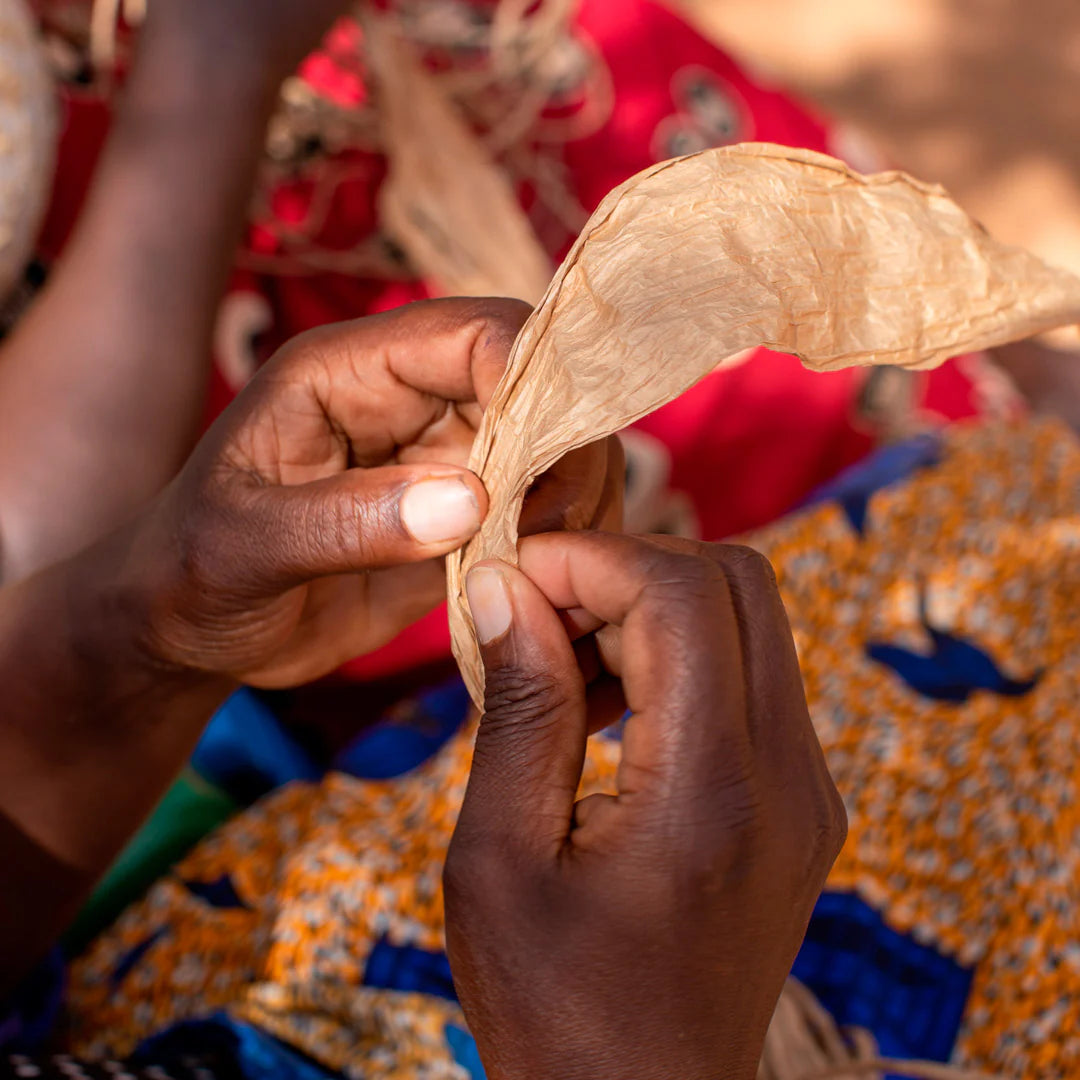
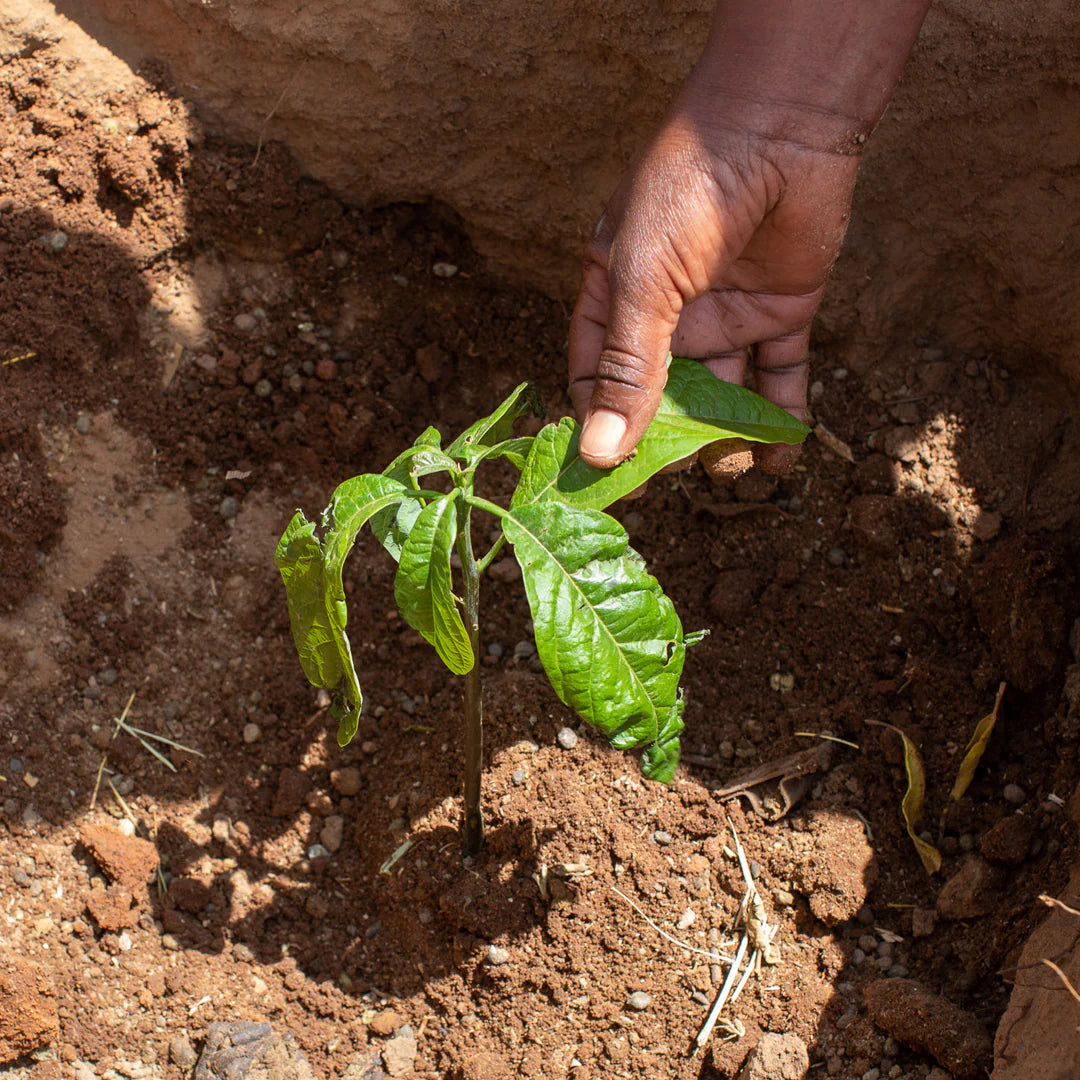
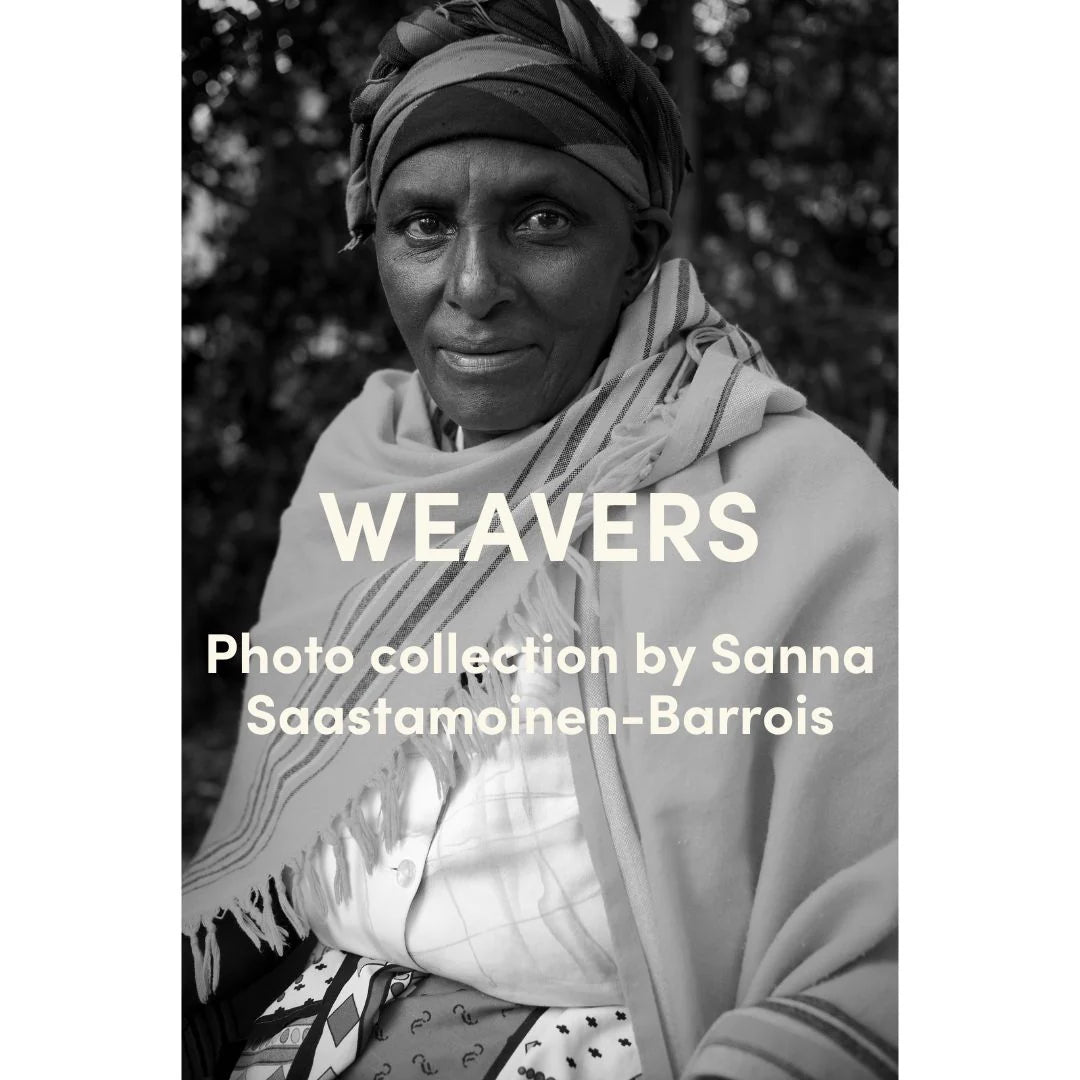
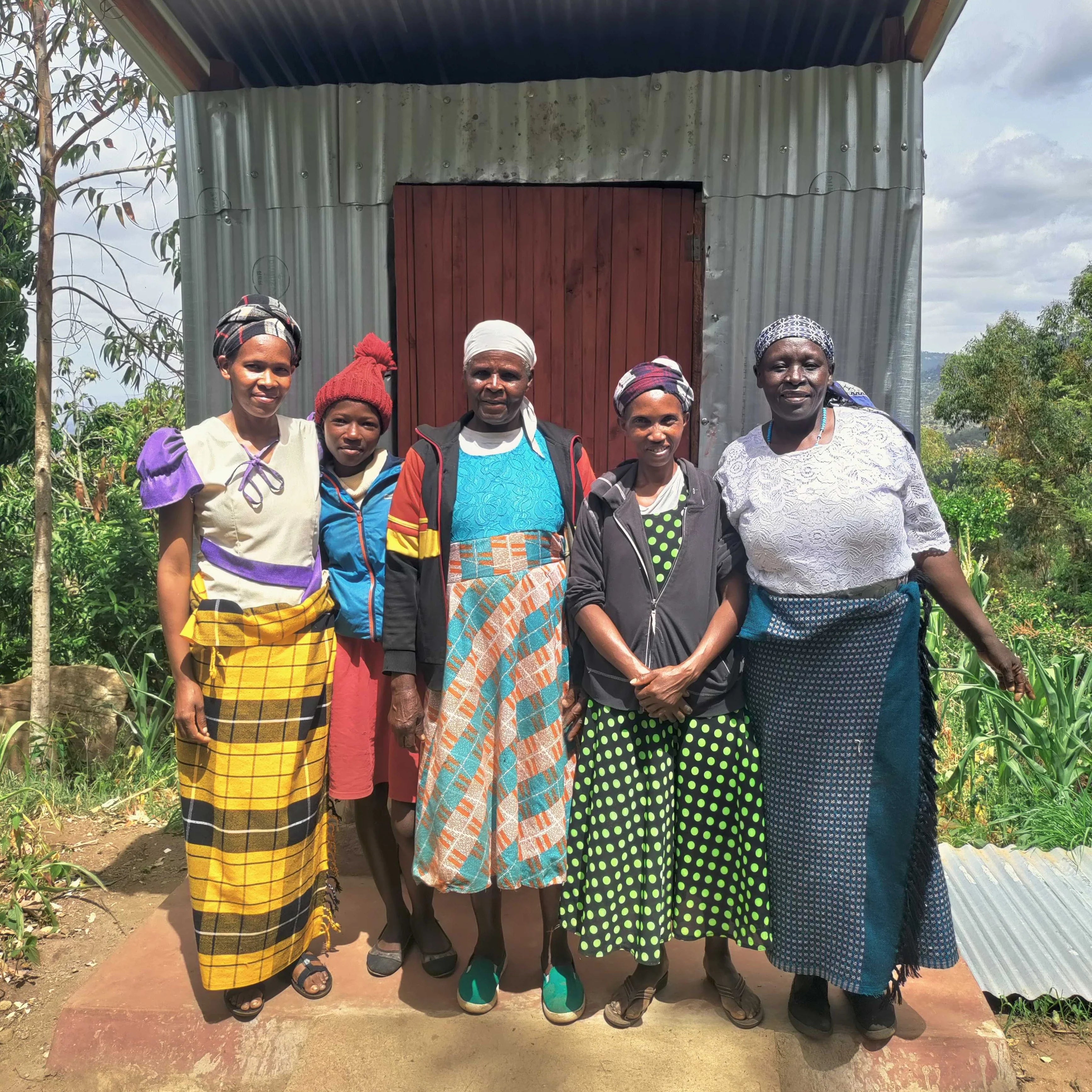
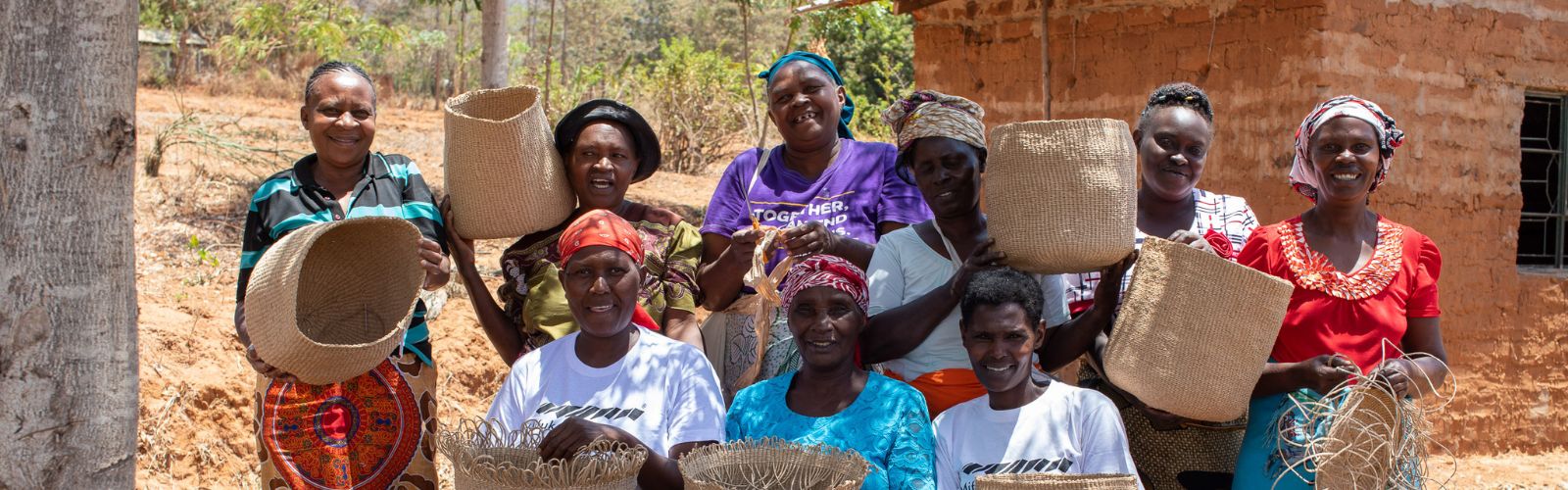
In Kenya, climate change has led to recurring droughts. As a result, farming, traditionally the main source of income, does not always provide a reliable basis for a livelihood. Weaving Mifuko baskets provides an important source of income alongside farming, particularly when harvests are poor.
In an external impact assessment conducted in 2025, artisans reported using their weaving income to meet their families’ basic needs, pay school fees, save money and invest in farming and small businesses, among other uses. For some, weaving for Mifuko has become their main source of income.
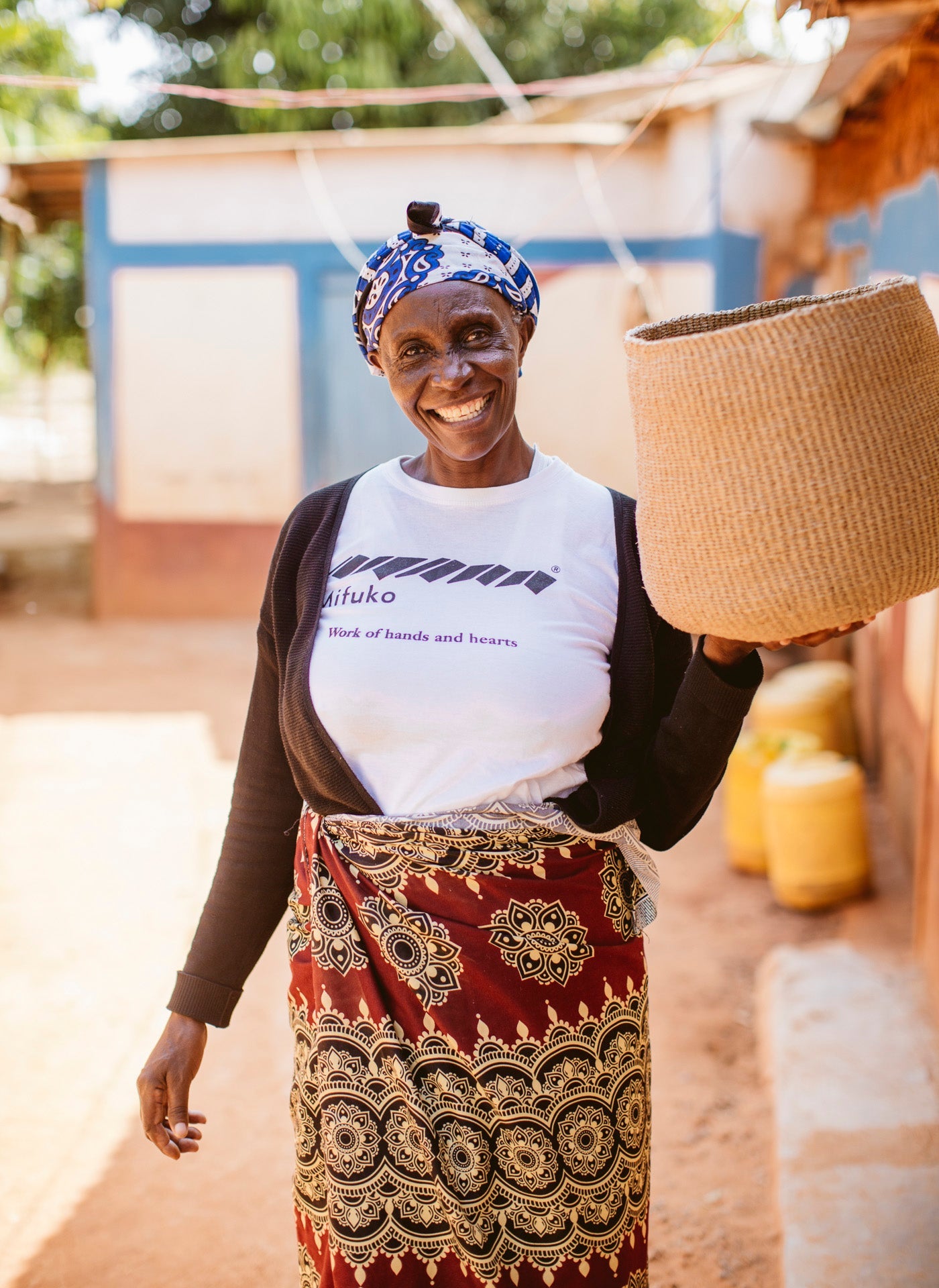
With the extra income, artisans can better withstand the financial stress of unpredictable farming. For some, basket weaving for Mifuko has become their most important source of income. They use the money to send their children to school and buy products or services from others in their villages.
Josephine Kile is one of Mifuko artisans, a farmer and chairperson of a women’s self-help group in Makueni, Kenya. Josephine says: “We have less rain and rain patterns are unreliable. They might be earlier than expected so the crops dry out. Sometimes there are very heavy rains.” In a typical year Josephine is self-sufficient with food for 11 months but in years with small rainfall it is only 3 months. The heavy rains often cause floods as the dry soil is not able to absorb heavy rainfall. Income generating activities like weaving Mifuko baskets are essential to the food security of families in years when crops are scarce.
Read more about the impact Mifuko has
Social Impact
Mifuko’s business model supports women’s livelihoods in rural Africa through long-term trading partnerships with artisans. These partnerships are built around local self-help groups, where women earn an income through their skills, save money, share experiences and keep traditional craft skills alive.
Artisans interviewed in Kenya report using their weaving income to cover their families’ basic needs, pay children’s school fees, improve their homes and develop their farming activities and small businesses. The groups also provide loans to members in need, enabling them to invest in their families’ wellbeing or small businesses.
Read more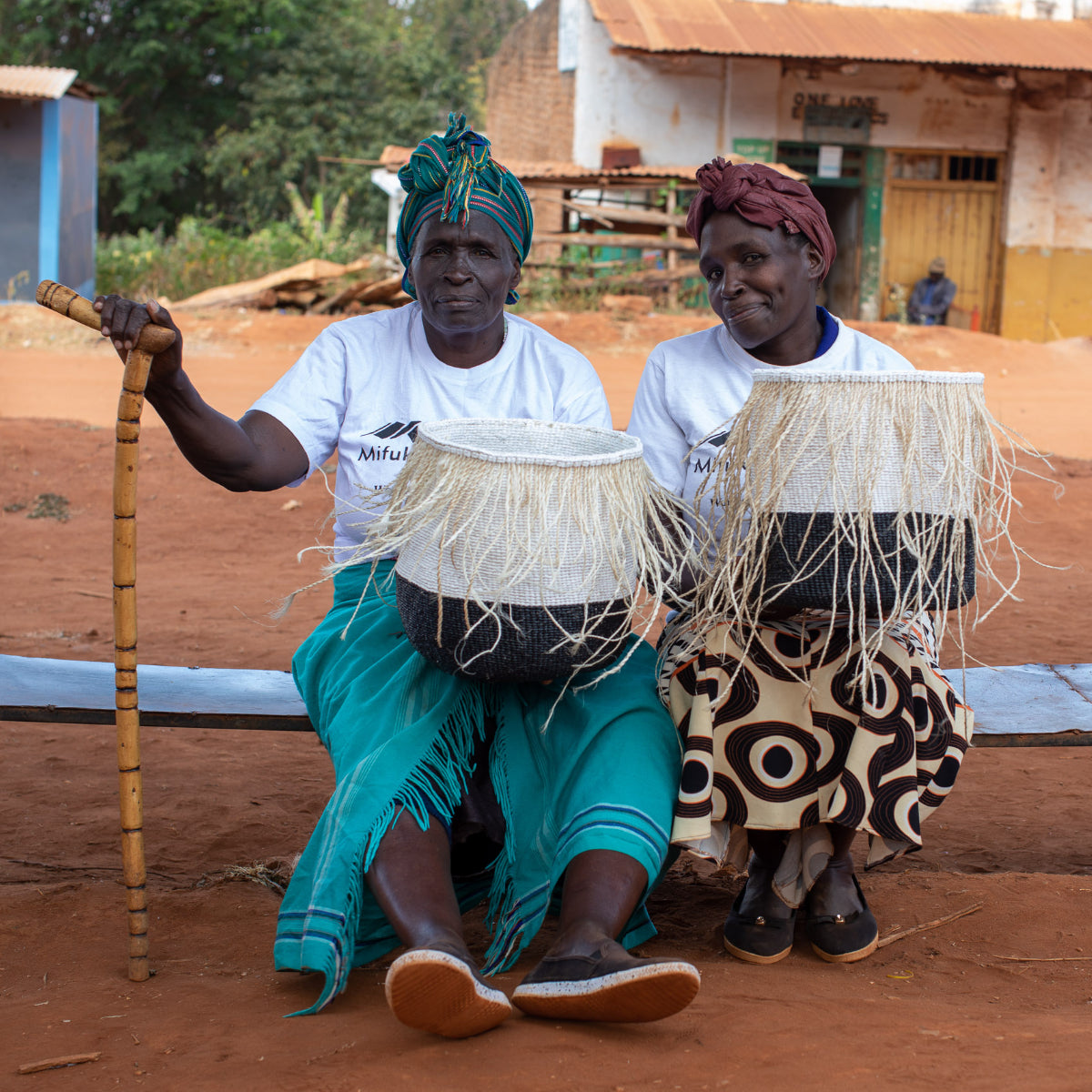
Economic impact
In Kenya, climate change has led to recurring droughts. As a result, farming, traditionally the main source of income, no longer provides a reliable basis for a stable livelihood. The income our artisans earn from weaving Mifuko baskets helps safeguard their families’ livelihoods when crops can no longer provide that security.
Read more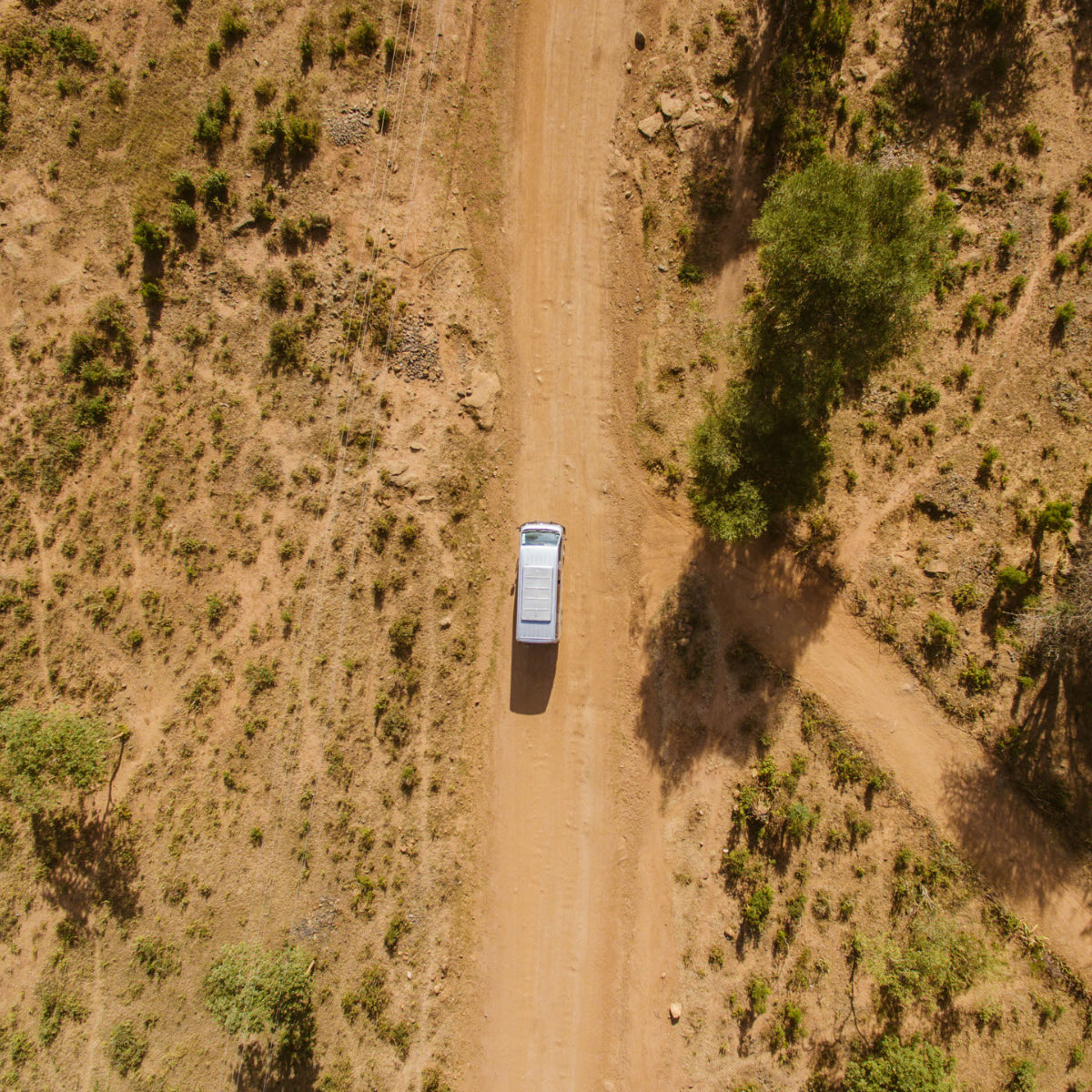
Environmental impact
Our environmental work is based on concrete actions both in communities and within our own value chain. Mifuko Trust’s projects include solutions for water- and climate-smart agriculture that aim to support adaptation to climate change. Mifuko also measures greenhouse gas emissions across its own value chain in accordance with the GHG Protocol. Our products are handmade, and we provide information on the environmental characteristics of each material individually.
Read moreMifuko Blog
Latest articles
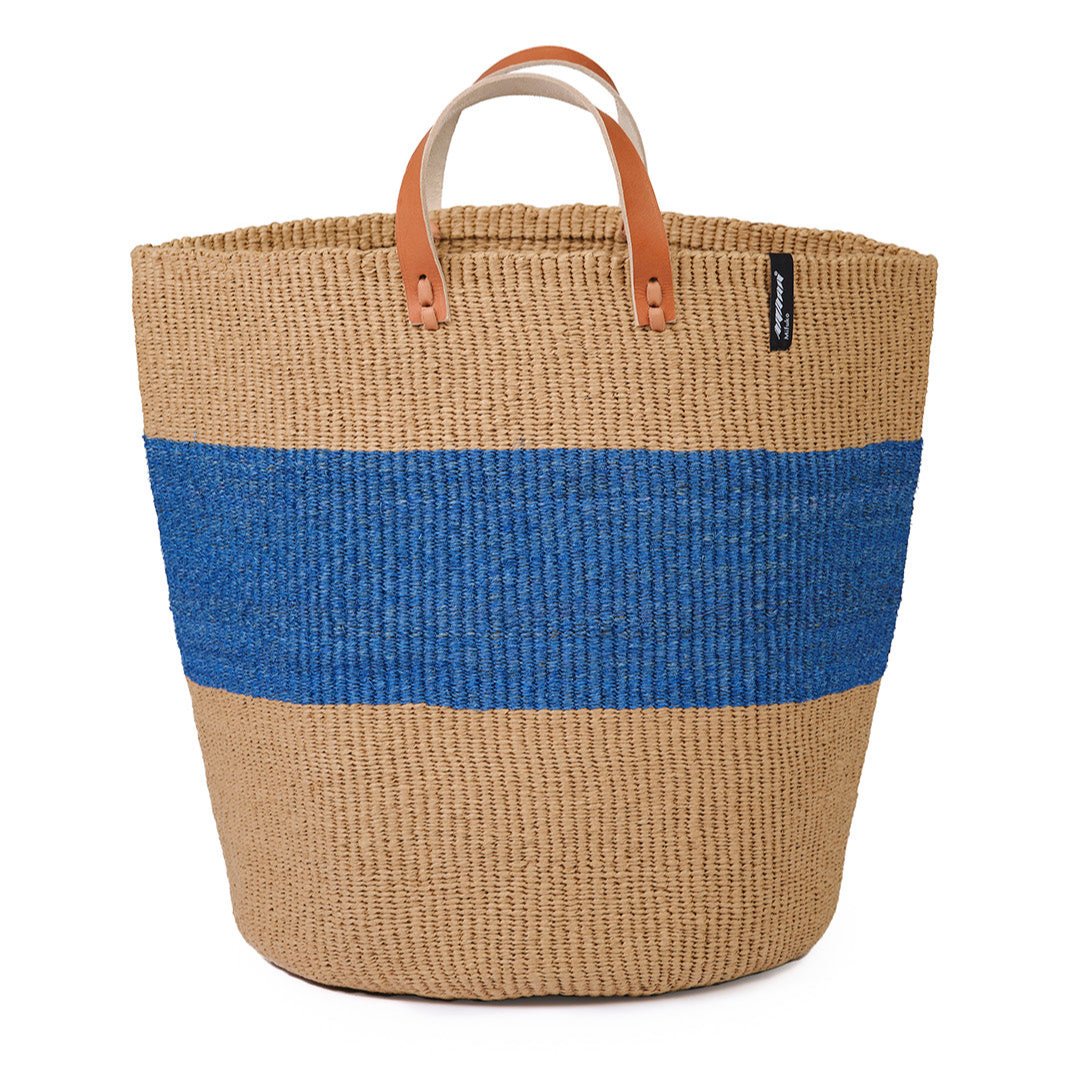
Ethical design basket: How to recognize an authentic and sustainably made home decor product?
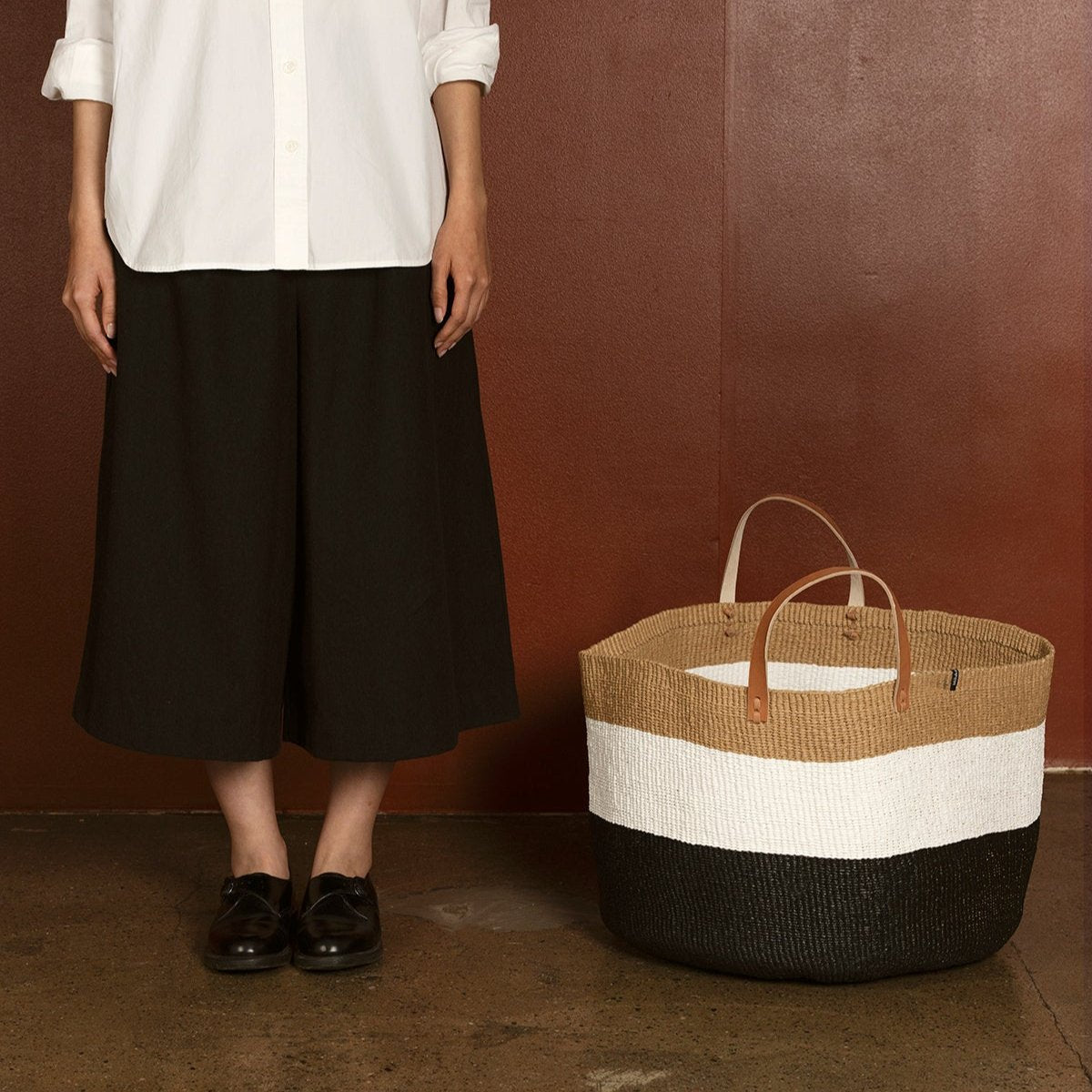
Breathable decorative laundry basket: How to avoid musty smells and mold in dirty laundry?