






Authors: Jacinta Musyoki & Elina Sipilä
In Makueni, farming requires persistence while unpredictable rains and dry seasons challenge harvests. Lead Farmers from Sowing Equality project, Mr. Joseph Mulwa (65), and Ms. Scolastica Mutua (26) both demonstrate in Kalawani Sub-location, Mbooni, how climate-smart agriculture (CSA) can transform livelihoods, farms, and community resilience, while offering practical solutions that respond to challenging local realities.
THE JOURNEY OF JOSEPH MULWA

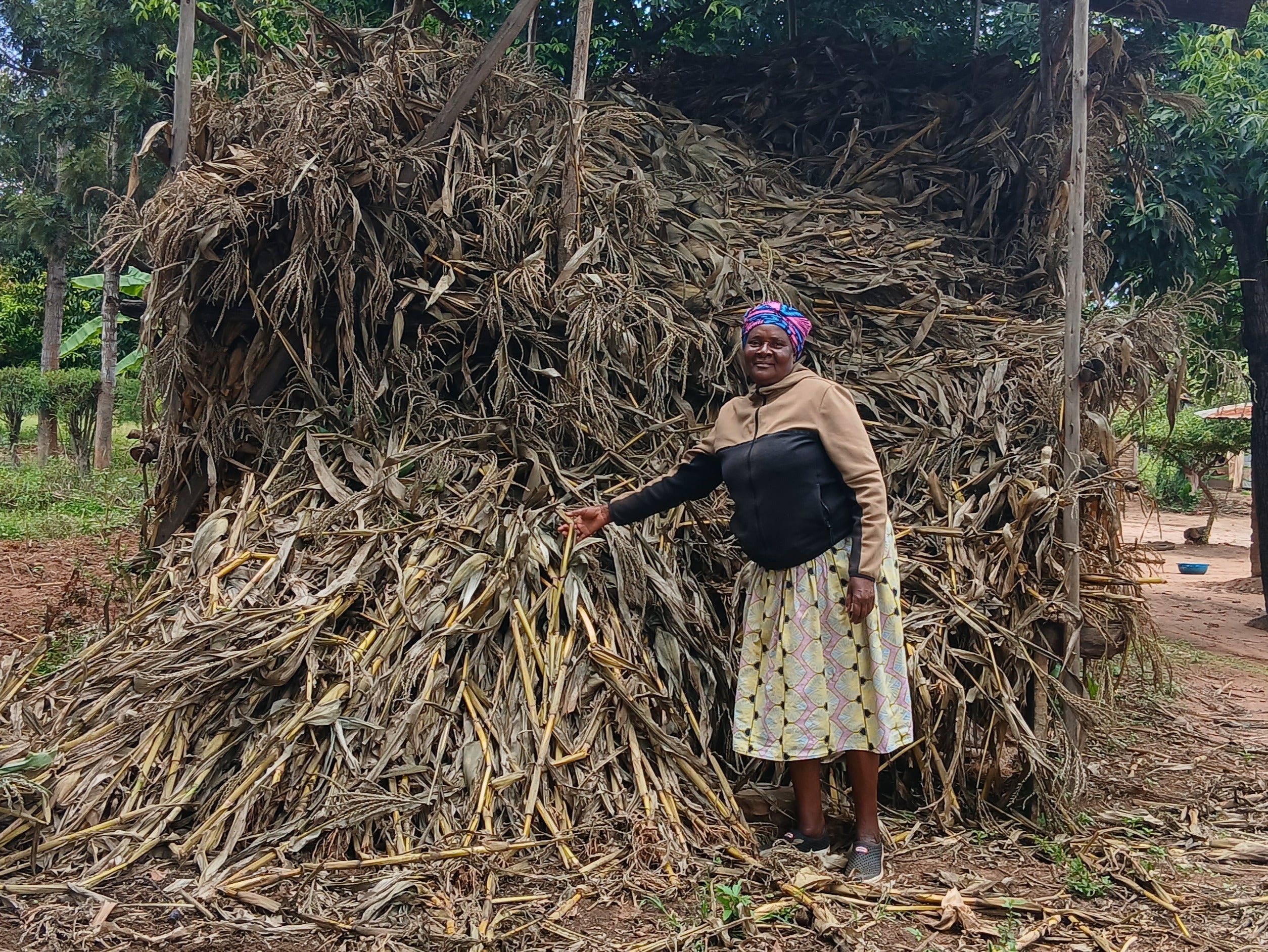
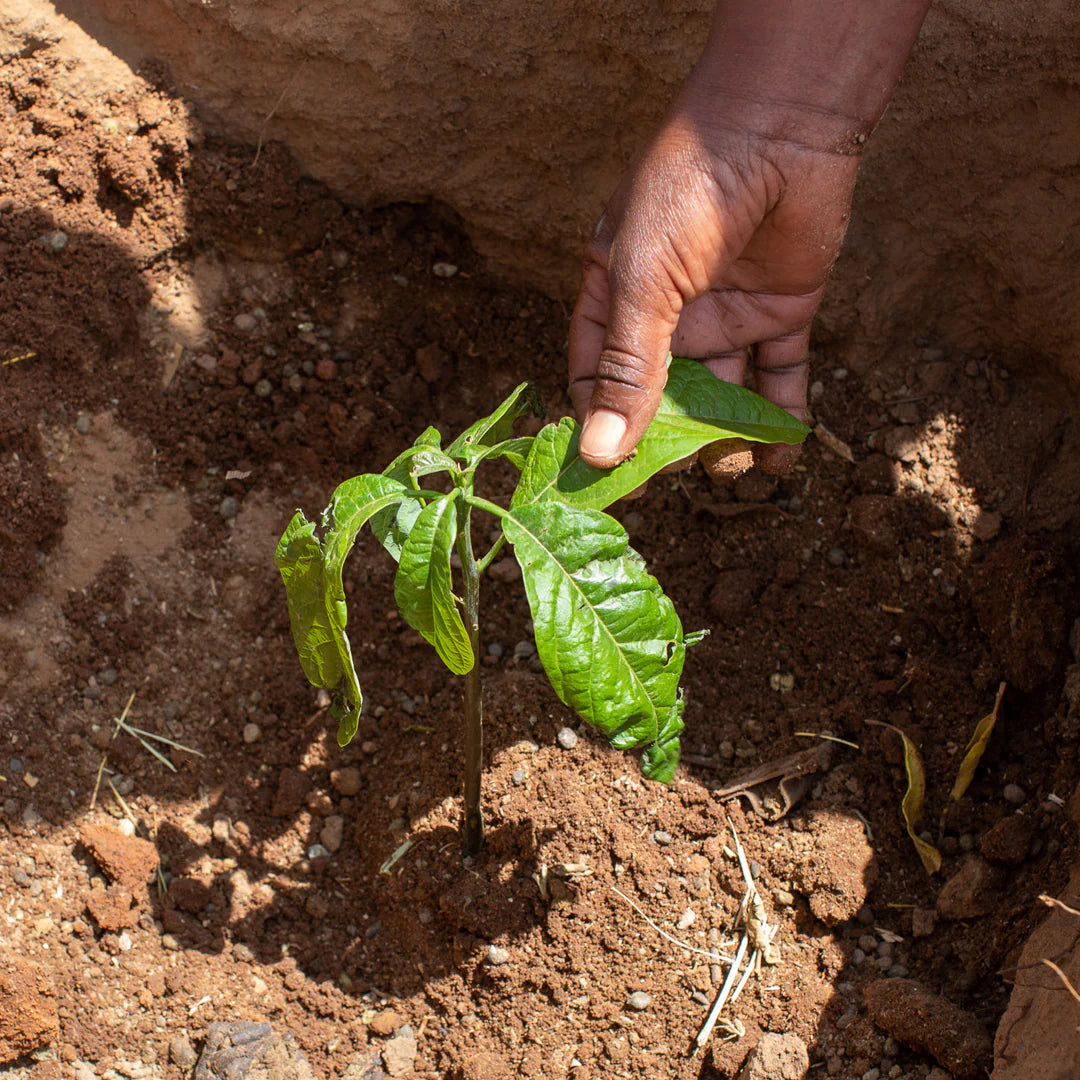
Joseph Mulwa's success is firmly rooted in strong family cooperation. Together with his wife and family, Joseph has applied CSA practices across their farm, despite the challenges of Mbooni’s semi-arid environment. To make the most of limited rainfall, Joseph uses zai pits and ripping to improve soil moisture retention, infiltration, and crop survival during dry seasons. Additionally, with a variety of trees integrated into cropping areas, he promotes soil conservation, biodiversity, and micro-climate regulation.
Joseph also produces his own compost from household waste, dry plant matter, and animal manure. This restores soil fertility, reduces the need for chemical inputs and lowers farming costs. Rabbits and chickens contribute manure for composting and also provide food and additional income for the household.

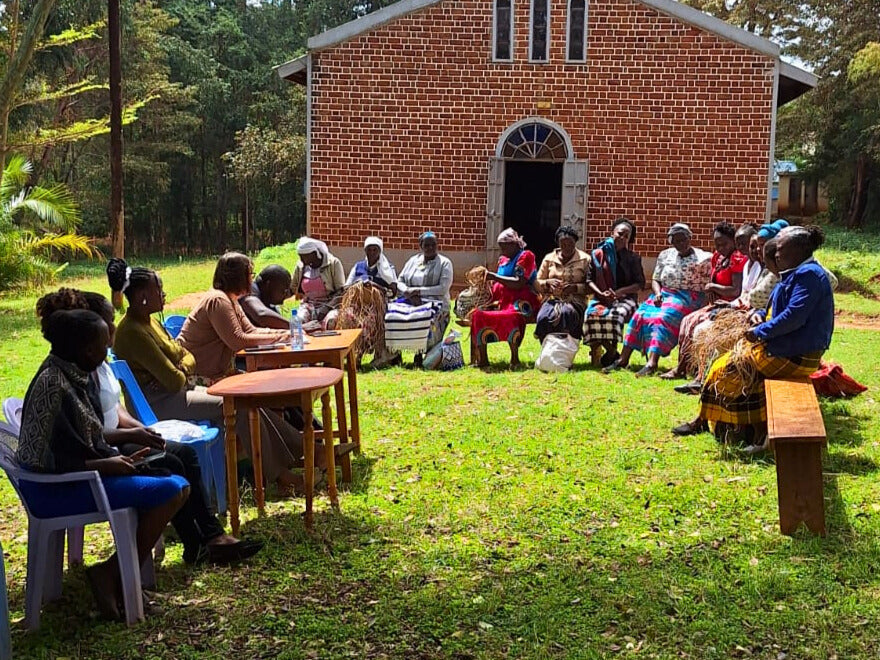
As a Lead Farmer, Joseph plays a central role in supporting the adoption of climate-smart agriculture in Kalawani. He facilitates a Farmer Field School (FFS) of 32 members, bringing farmers together every week to learn through observation and practice. Meetings are structured to support shared learning and at each session farmers openly discuss challenges and observations. These are documented in a record book, which is used to track progress, identify recurring issues, and guide collective problem-solving over time. In addition to leading FFS, Joseph frequently hosts farm visits and demonstrations for other lead farmers in the Kalawani area.
SCOLASTICA MUTUA: A YOUNG LEADER IN CLIMATE-SMART FARMING AND ADVOCACY

At 26 years old, Scolastica Mutua represents a new wave of youth embracing agriculture as a viable and rewarding career. After completing her studies in Industrial Chemistry, limited formal employment opportunities led her to invest her energy in farming rather than waiting for an office job.
As a Lead Farmer, Scolastica has adopted climate-smart agriculture practices that focus on soil and water conservation techniques, organic fertilizer use and climate-resilient farming approaches. Alongside crop production, she is planning to develop commercial poultry farming,

responding to local demand for eggs and meat while using poultry manure to enhance soil fertility. Today, her farm is becoming a learning space for other young people who are exploring agriculture as an alternative livelihood and a long-term career.
Beyond her farm, Scolastica also plays an important leadership role as a recently trained Young Advocate within Sowing Equality project. She champions for women’s economic empowerment, gender equality, youth involvement in agriculture, adoption of climate-smart techniques and community awareness on sustainable farming. Through her voice and leadership, Scolastica is helping turn knowledge into action, especially among young farmers.
GROWING HOPE IN MBOONI

The stories of Joseph Mulwa and Scolastica Mutua reflect the growing impact of climate-smart agriculture.
While Joseph brings decades of farming experience, Scolastica contributes fresh energy and youth leadership. Together, they show how sustainable farming practices can strengthen livelihoods and help communities adapt to changing climate conditions.
Through the Sowing Equality project activities, households like theirs are building resilience, improving food security, and encouraging wider community engagement in climate-smart agriculture practices.