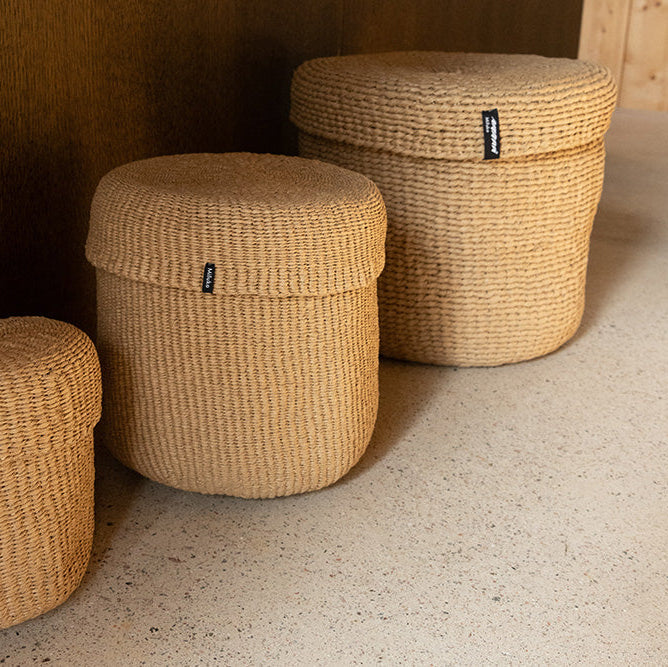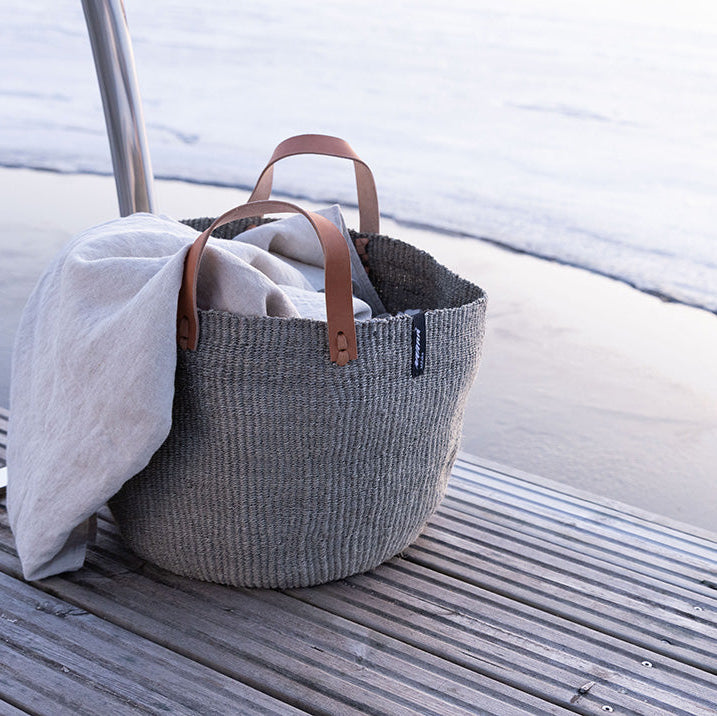






Interior products made from natural materials bring warmth and timeless style to the home. A hand-woven floor basket serves as a versatile storage solution and a beautiful detail in a room's decor. It is ideally suited for the living room, bedroom, or hallway to keep items in order. High-quality baskets made with traditional methods will last for years in use, as long as they are well cared for. With proper care, you ensure that the natural fiber retains its good condition and beautiful appearance for a long time.
Natural materials require slightly different maintenance than industrial synthetic fibers or plastic products. Sisal is an exceptionally strong and long-lasting fiber derived from agave plants that withstands wear extremely well when properly cared for. With the following easy instructions, you can care for your sisal basket so that it maintains its original posture, color, and good condition in daily use year after year.
Sisal is a durable natural fiber that reacts to indoor air
Sisal fiber obtained from the leaves of the agave plant is known for its exceptional strength and toughness. Thanks to its flexible structure, the fiber tolerates tension and wear well, making it an excellent material for floor baskets. As a natural material, sisal reacts sensitively to moisture fluctuations in the surrounding air. It binds and releases moisture according to the surrounding space, which sets it apart from completely static synthetic fibers.
Because of this property, the feel of a sisal basket may vary slightly depending on the season. In winter, when indoor air is dry due to heating, the fiber often feels somewhat harder and tighter. In summer, as air humidity increases, the weave softens and flexes more easily. Direct sunlight may lighten or alter the natural shade of the fiber over time, which is typical for all untreated natural materials. These small changes are part of the material's characteristics and do not weaken the basket's durability or usability.
Cleaning and regular maintenance of a sisal or paper yarn basket
When cleaning sisal and other natural fibers, gentle methods should be favored. Strong chemicals and industrial detergents can make fibers brittle, strip their flexibility, and fade the material's natural colors. Well-chosen, mild cleaning methods are effortless and significantly extend the life of the product.
For regular care, light vacuuming with a soft brush nozzle or shaking the basket outside is sufficient. This removes dust and loose dirt that easily collects between the weave. If a stain appears on the basket, clean it as soon as possible with a damp cloth. For spot cleaning, a mild soap solution, such as Marseille soap or pine soap, can be used. Wipe or press the stain gently in the direction of the fibers without harsh scrubbing. Never submerge a sisal basket completely in water or soak it, as excessive moisture swells the fibers and can distort the basket's shape. Allow the basket to dry thoroughly in an airy space before use.
When acquiring larger storage containers for your home, such as an exceptionally spacious black ribbed floor basket with handles XXL, regular care keeps it clean. A large basket can hold plenty of blankets, pillows, or toys, and regular vacuuming prevents dust from accumulating at the bottom. Gentle cleaning also ensures that the basket's stylish black color and beautiful surface remain attractive for a long time without fiber wear.
Using a woven basket as a plant pot cover and protecting it from moisture
A woven basket is ideal as a cover pot for houseplants, adding softness and a natural look to the decor. When watering the plant, however, you must ensure that soil or water does not come into contact with the basket's fibers. Continuous or standing moisture easily damages sisal fibers and can expose the material to molding.
Fortunately, protecting fibers from water is easy. Always place a tight plastic liner or a waterproof inner pot inside the basket. Beneath it, it is advisable to place a sufficiently large saucer with high edges to collect excess runoff water. Water the plant moderately and check after watering that no standing water remains on the saucer. Empty excess water immediately so that moisture cannot transfer to the bottom fibers of the basket. With this simple precaution, you keep the basket dry and in good condition.
Kiondo Floor Basket Black XL
The hand-woven black Kiondo XL floor basket is excellent as a pot cover for large houseplants or as a versatile storage container. The durable and understated basket brings a natural look to the decor and creates a beautiful, clear contrast against green plant leaves.
Explore the Kiondo XL basketShaping a sisal basket and restoring its original posture with water
During use or storage, a floor basket may sometimes collapse or lose its round shape, for example during a move. This is not product damage, as the flexible natural fiber is easy to reshape. Unlike synthetic materials, where creases can leave permanent marks, natural fibers easily restore to their original state with a little moisture.
Shaping the fiber is based on the softening effect of moisture. When sisal fiber receives light moisture, it becomes flexible and easy to mold. You can use a regular spray bottle and lightly spray the exterior and interior surfaces of the basket with lukewarm water. The basket does not need to get soaking wet; a light mist of water is enough to make the fibers pliable. Once the material feels flexible, straighten any creases and press the basket back into its round shape by hand.
After shaping, allow the basket to dry at room temperature in an airy place out of direct sunlight. You can lightly fill the basket with dry towels or clean paper while it dries so that it retains its shape better. As it dries, the sisal fiber sets back into place and restores the basket's characteristic sturdy structure. This simple maintenance measure keeps the basket firm for a long time.
The benefits of a handmade floor basket compared to mass production
A handmade floor basket is a sustainable choice that offers a long-term storage solution for the home. Industrially mass-produced, often plastic-based baskets wear out quickly and easily end up as waste. A high-quality basket made from natural materials, on the other hand, withstands years of use and thus saves natural resources. Only the best materials are selected for a handcrafted basket, which is directly reflected in the quality, durability, and finishing of the product.
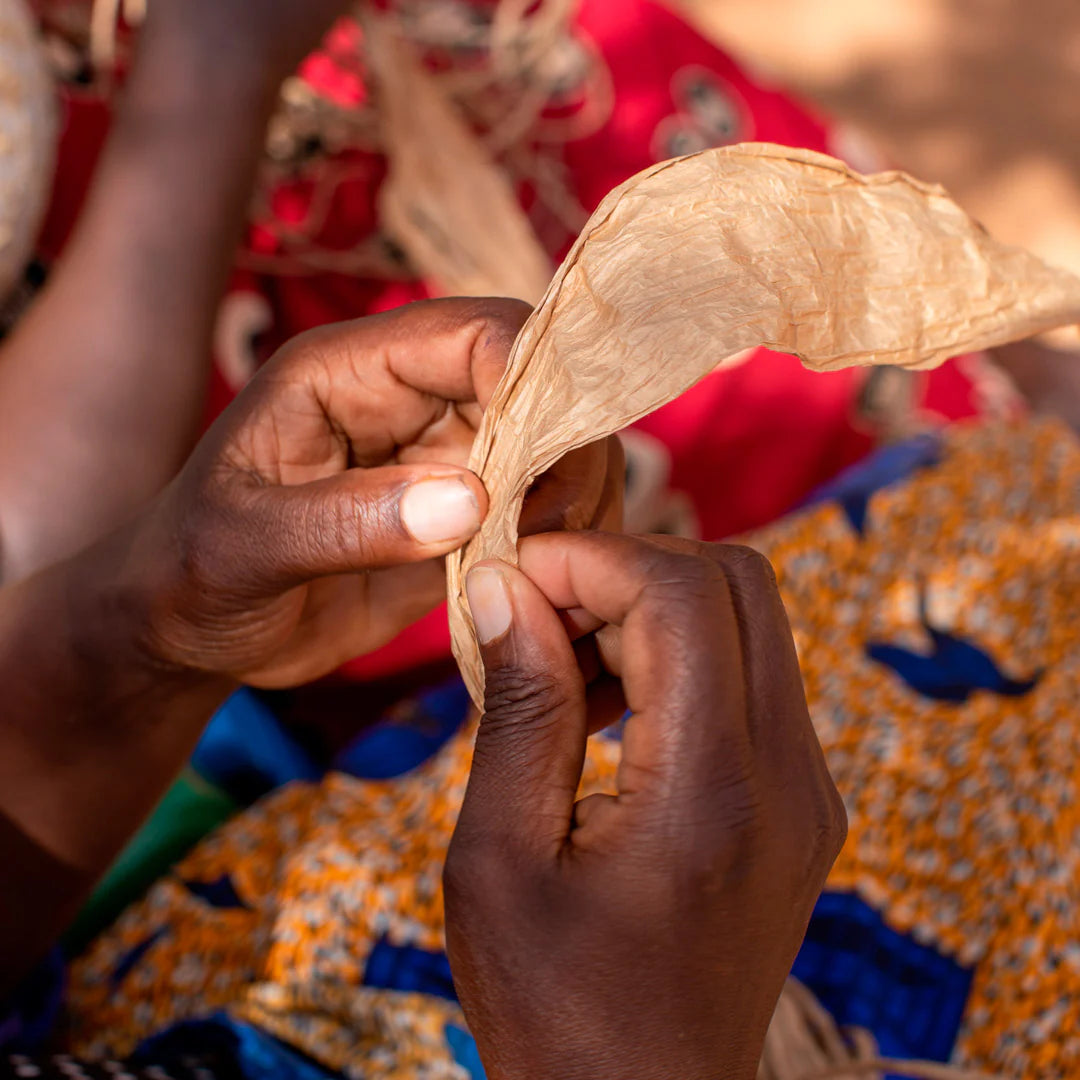
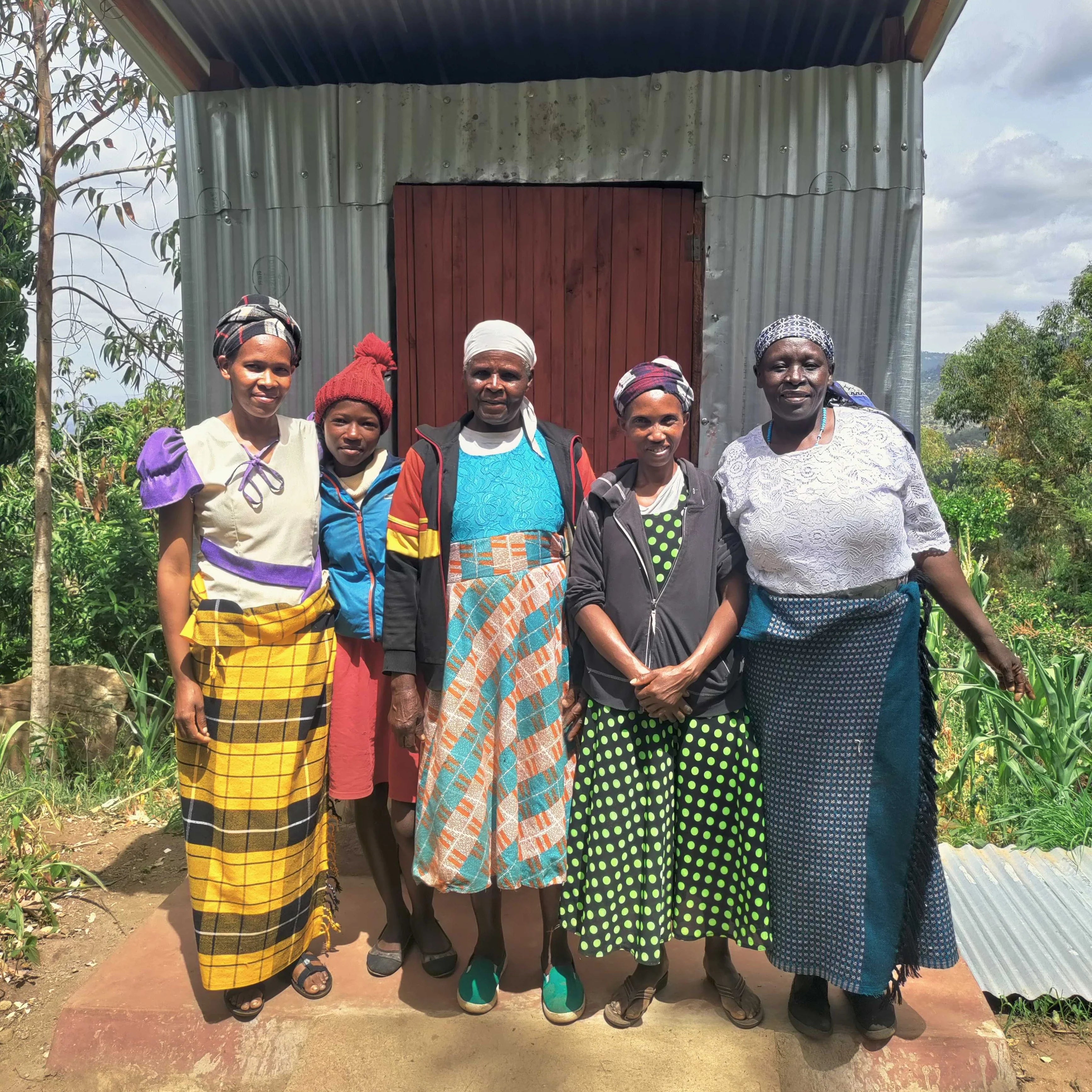
Purchasing handcrafted baskets directly supports the livelihood of the makers and local communities. Many handmade baskets are produced following Fair Trade principles, which guarantees artisans fair compensation and safe working conditions in developing rural areas. For women in particular, crafting artisan goods offers a vital opportunity for an independent livelihood and family support alongside traditional means of living.
Because each basket is made by hand, every piece is unique. Small variations in shade or weave are not defects; rather, they tell of the authentic manufacturing process and make each basket unique. A handmade fiber basket also does not wear out in use in the same way as synthetic materials; instead, it ages beautifully and retains its utility value for a very long time.
In home decor, it is worth investing in durable products that are both practical and responsibly made. By choosing carefully crafted natural materials, you bring long-lasting and easy-to-maintain solutions to your home. A regularly and properly cared for sisal floor basket remains a beautiful and functional storage space for years. It offers sustainable usability for daily life and a timeless aesthetic that fits into many types of interiors.