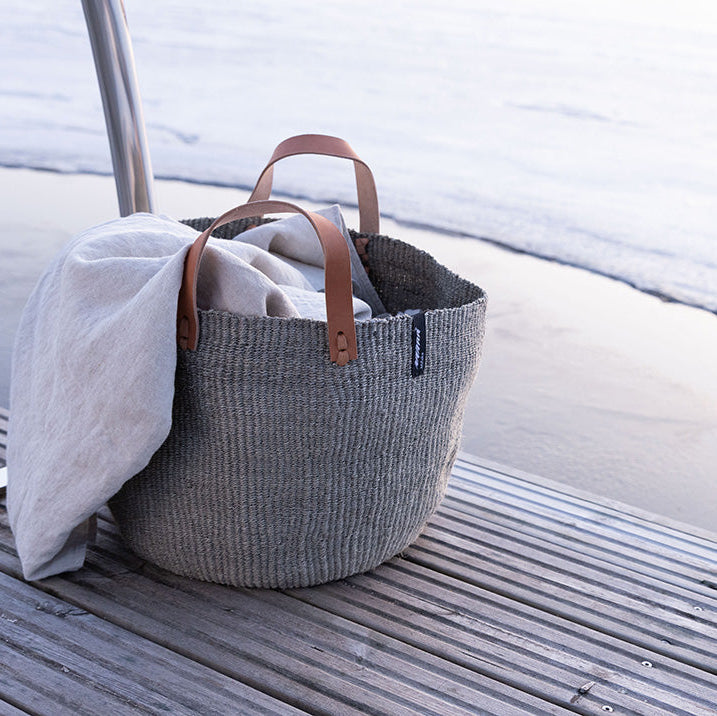




Natural materials are often significantly more durable and long-lasting than synthetic fibers. An accessory in daily use is therefore also a sensible environmental act due to its long lifecycle. A high-quality basket bag made of natural fibers is a practical and stylish choice that perfectly complements minimalist Nordic fashion and home decor, bringing natural warmth to the space.
Plant fibers react to their environment in different ways. Some materials are sensitive to moisture, while others might become brittle in direct sunlight. When looking for a material that maintains its posture and beauty year after year, traditional crafting methods and the right fiber choices become crucial. Understanding the origin and processing of fibers helps to see why a high-quality accessory will last for decades.
The long history and traditional production method of sisal fiber
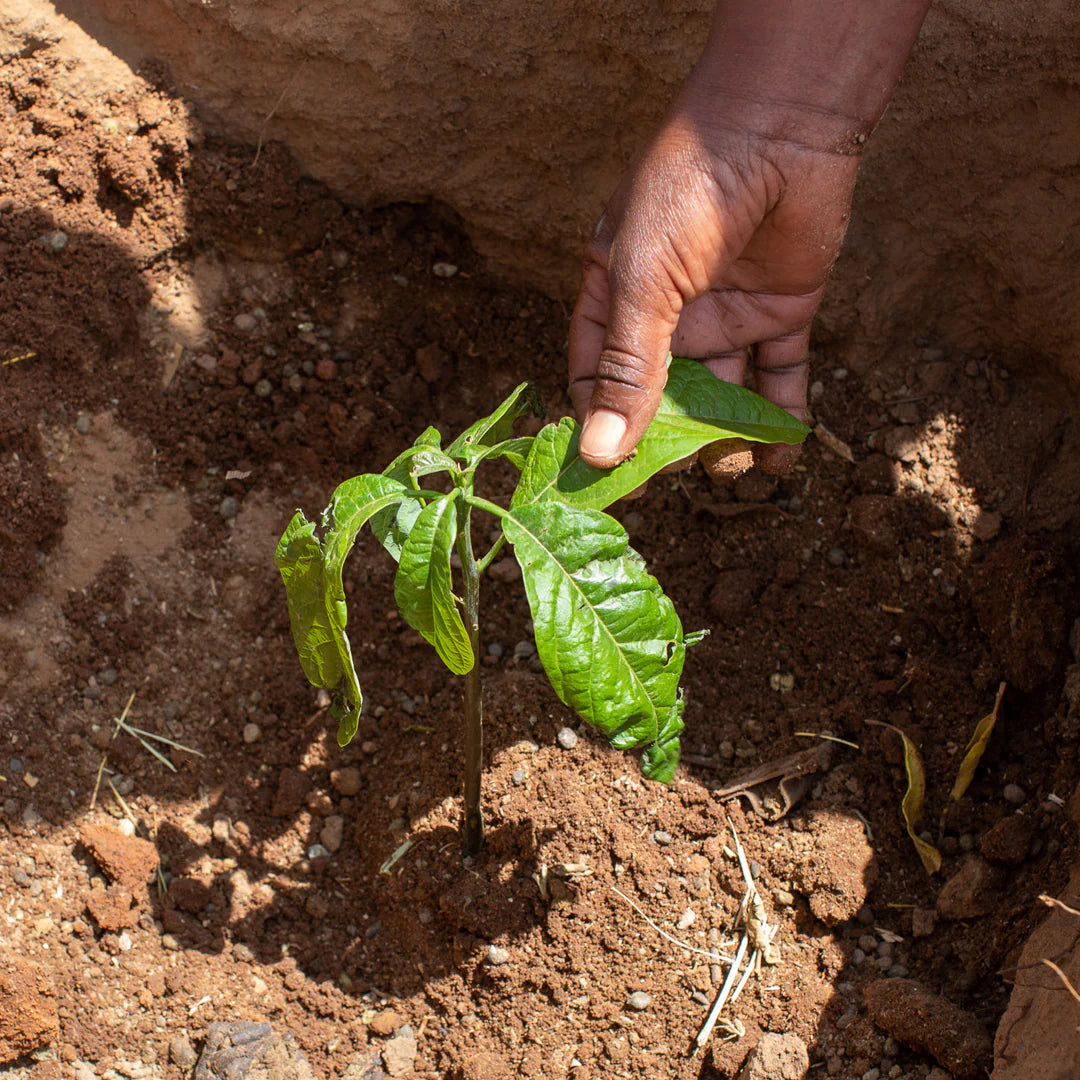
The journey of high-quality basket bags begins in dry rural areas where the resilient sisal plant grows. Sisal is a highly ecological crop, as it does not require large amounts of water or artificial fertilizers to flourish. Thriving in barren soil, the plant's leaves are harvested by hand. Local artisans know the plant's characteristics and know exactly when the leaves are ready to be harvested and how to extract the best and strongest fibers from them.
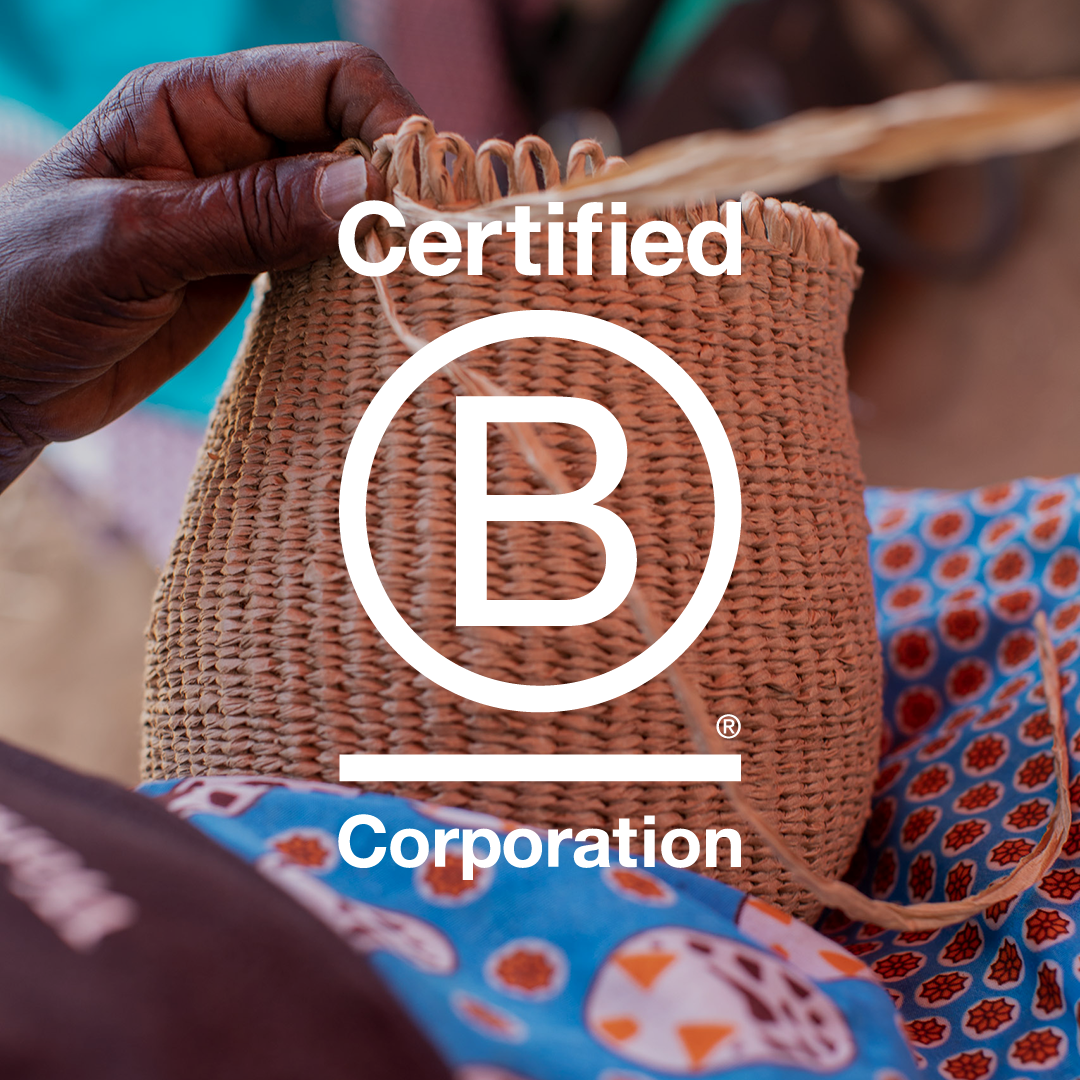
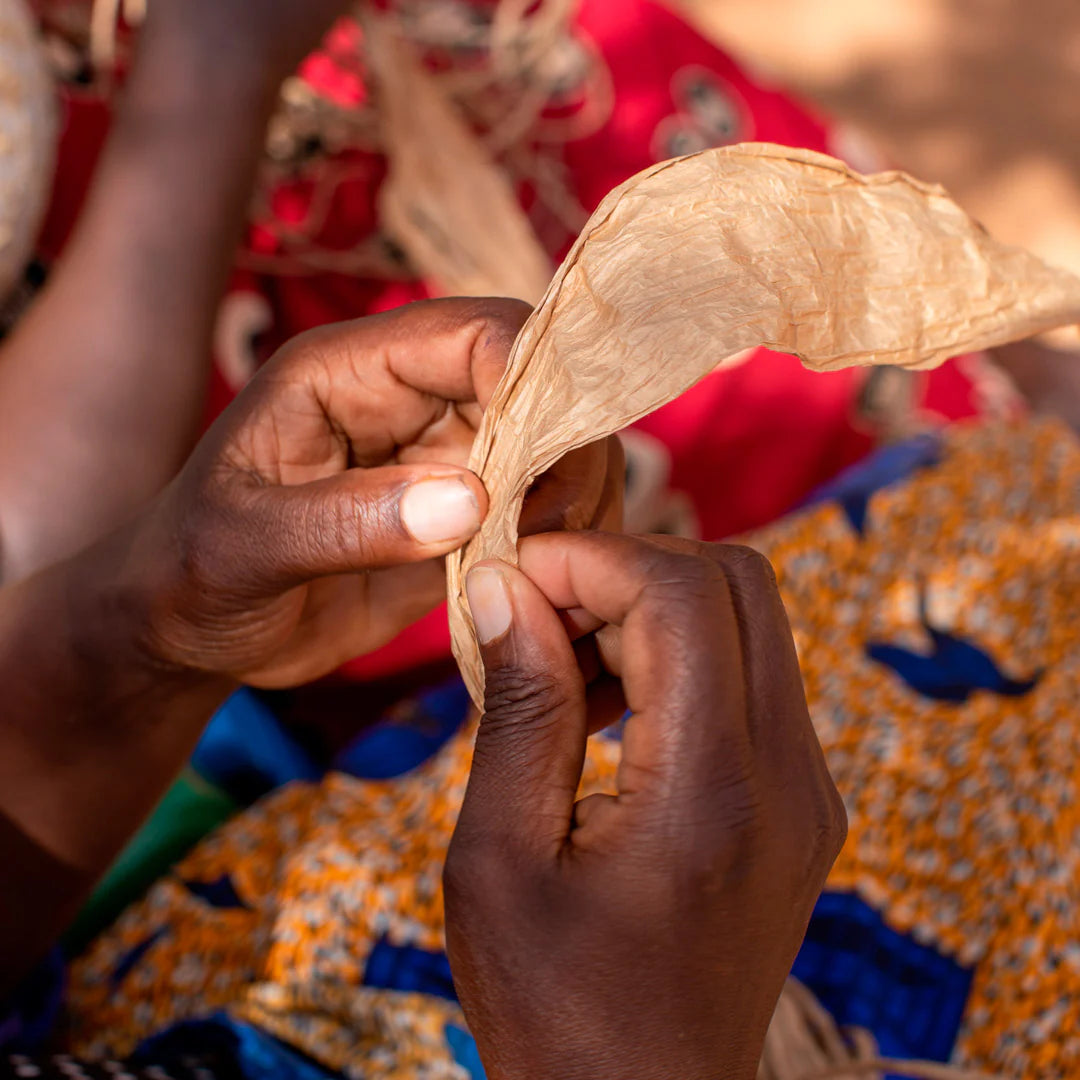
Extracting and cleaning the fibers requires precision and physical work, which is largely done by hand. The cleaned and dried fibers are spun into yarn using traditional techniques. This craftsmanship is passed down from generation to generation and requires years of practice. Every finished product is a unique display of handicraft that mechanical mass production cannot replicate.
The valuable heritage of craftsmanship
A basket bag made using traditional techniques will withstand use for years. Every unique fiber and knot carries the maker's signature touch, and purchasing the product provides a vital, stable livelihood for rural artisans.
What material makes the most durable and highest quality basket bag?
When comparing natural materials, such as products made from rattan, seagrass, elephant grass, or sisal, the differences in durability quickly become apparent. Many traditional plant fibers are beautiful but might break under stress. For instance, soft seagrass cannot handle heavy rubbing or heavy loads as well as tougher plants. Rattan, on the other hand, tends to crack in dry Nordic indoor air during the winter months.
Sisal stands out in this comparison. The plant's adaptation to extremely dry conditions makes its fibers exceptionally tough and strong. Outstanding tensile strength and natural flexibility prevent tightly woven sisal yarn from crumbling or snapping even in dry air. The fibers yield and adapt to the load without taking damage. In practice, a basket bag made of sisal can withstand carrying heavy items without tearing or losing its shape. It tolerates wear and friction better than most other natural materials.
Timeless Scandinavian beauty
Made from recycled plastic and durable sisal, the white Kiondo basket bag combines durability and minimalist elegance. It effortlessly adapts to both everyday use and as a stylish storage solution for the home.
Discover the white Kiondo basket bagThe beautiful patination of natural materials in use
Synthetic and mass-produced materials often wear out quickly. Plastic-based faux leather and cheap synthetic fibers can crack and become unusable after only brief use. Accessories made from natural fibers and other authentic materials, on the other hand, withstand the test of time excellently. They patinate beautifully with use and retain their look for years.
Sisal and real leather are excellent examples of this. When exposed to light and air, the tones of sisal fiber soften naturally without losing their strength. The same applies to the real leather handles of the bag. With continuous use, the leather softens and darkens gradually, forming a beautiful patina. Over time, each bag becomes a completely unique piece whose surface shows its history of use.
Majani Shoulder Bag
Hand-woven banana fiber, paper, and high-quality leather combine in this accessory to form a durable and practical ensemble. By choosing this bag, you support ethical production without compromising on modern and timeless style.
Discover the Majani shoulder bagCan a basket bag be cleaned or washed with water?
Cleaning natural materials with water often raises questions, as delicate straw or grass might suffer from moisture. Sisal fiber, however, withstands water significantly better. Because the plant is adapted to dry and barren conditions, its tough fibers are not damaged by light moisture; instead, water helps restore the fiber's natural flexibility.
Cleaning the bag is easy. Dust and light dirt can be wiped off with a damp, soft cloth. If the basket bag gets squashed or loses its shape during use, it can be straightened using water. By spraying lukewarm water onto the surface of the bag, the fibers soften slightly, making the bag easy to shape by hand back into its original position. Once dried in an airy place, protected from direct sunlight, the bag retains its shape for a long time.
How should a basket bag be stored over the winter so it doesn't lose its shape?
At the end of the season, it is important to take care of the proper storage of the basket bag. Natural fibers need air, so airtight plastic boxes or damp storage areas are not suitable for storage. The wrong environment can accumulate moisture and damage the fibers. Correct and airy storage keeps the material in good condition year after year.
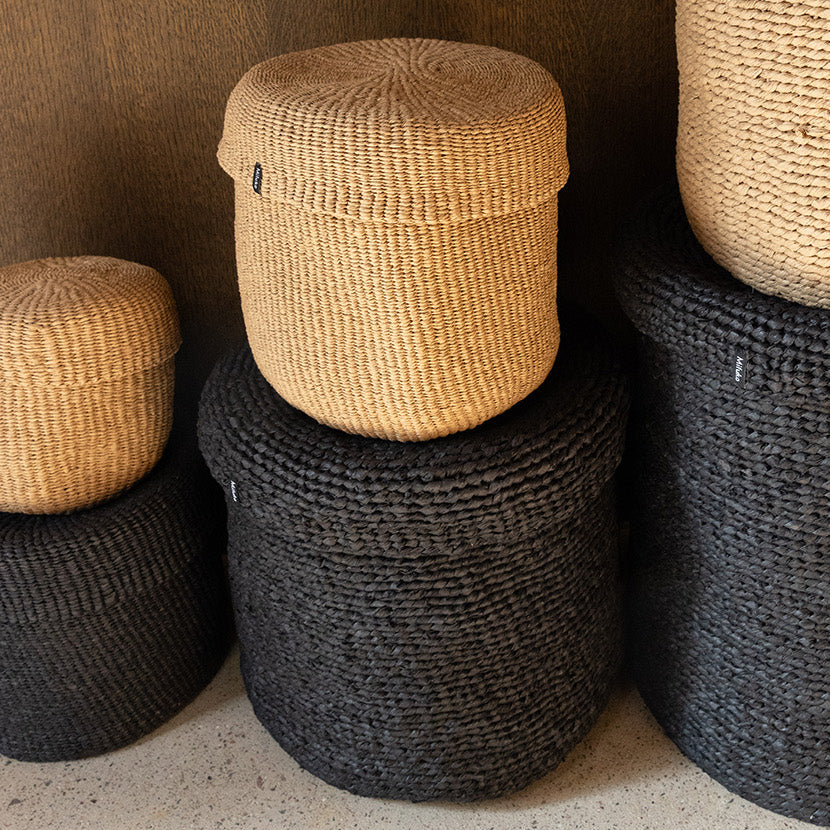
The bag keeps its shape best when it is stuffed with clean paper or cloth during storage. However, this accessory doesn't need to be hidden in a closet for the winter. Baskets made of natural materials also work excellently as part of the home's decor. The bag makes a great storage spot for things like living room throw blankets, magazines, or knitting yarns. This way, the basket is put to good use year-round while staying in a suitably airy room climate.
Why is it worth investing in an authentic handmade basket bag?
Consumer choices have a direct connection to the ethicality of production and the environment. Mass-produced, short-lived accessories burden nature and their production conditions are often inadequate. Investing in a high-quality and handmade basket bag is a more sustainable alternative. It is a long-lasting choice that supports fair and responsible work.
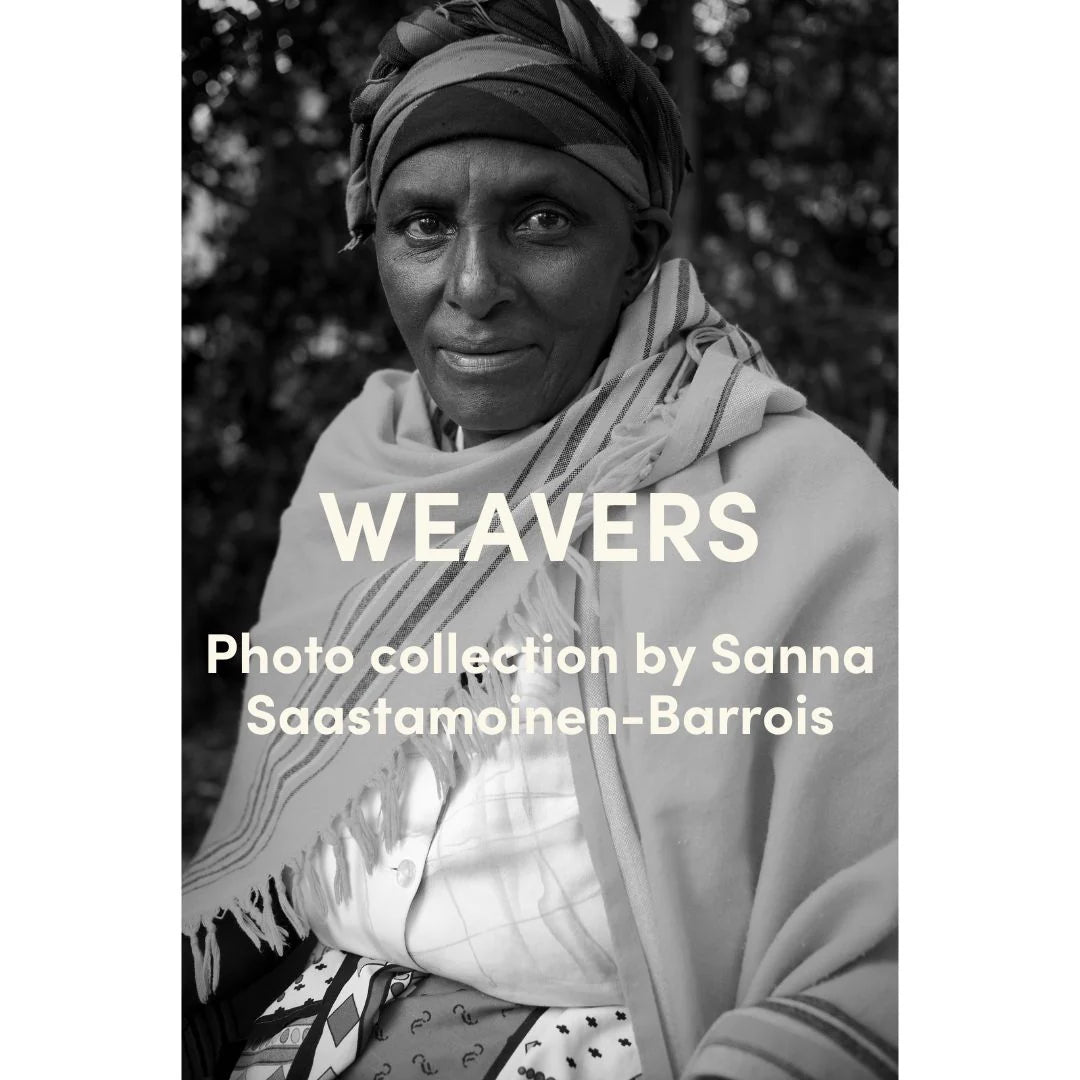
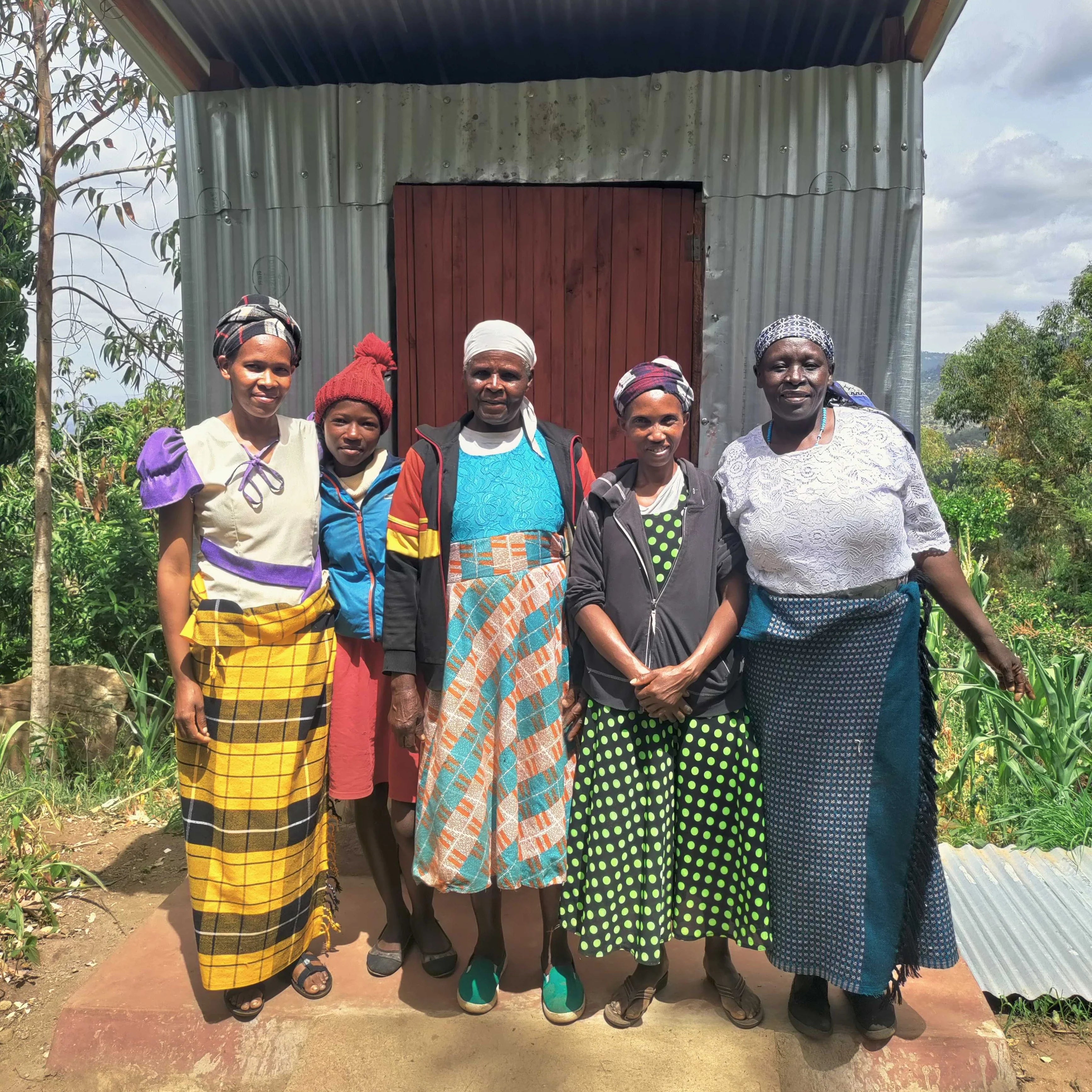
Fair trade principles guarantee that every artisan receives fair compensation for their work. For women living in rural Kenya, this work provides a regular income, financial independence, and the opportunity to educate their children. A carefully chosen and durable sisal bag replaces many short-lived alternatives. At the same time, it combines clear Nordic design with traditional African craft expertise.
The power of craft and independence
Supporting responsible production gives rural artisans in Kenya a stable livelihood, independence, and the opportunity to develop their own community. Every bag is a testament to the appreciation of traditional craftsmanship.
The value of natural materials is based on their durability and uniqueness. By choosing a handmade basket bag woven from resilient sisal fiber, you get a long-lasting and practical partner for everyday life. A high-quality bag improves in use year after year, and at the same time, your purchasing decision directly supports artisans' livelihoods and sustainable development.