



What Does an Ethical Christmas Decoration Entail?
An ethical decoration is much more than a beautiful object. It is a promise that its manufacturing process has been fair to both people and the environment. It is a choice that carries value and warmth all the way back to the maker's community. Ethics is not just a label, but a whole story behind the product, and every one of our decorations is a part of this.
More Than Just an Object – A Decoration with a Soul
When we talk about an ethical decoration, we can define it through three core pillars:
-
Fair Compensation and Good Working Conditions: Behind every ornament is a skilled artisan. Ethics ensure they receive a fair wage for their work, enabling a better life for themselves and their families. This is the fundamental idea of fair trade, which is at the heart of our operations.
-
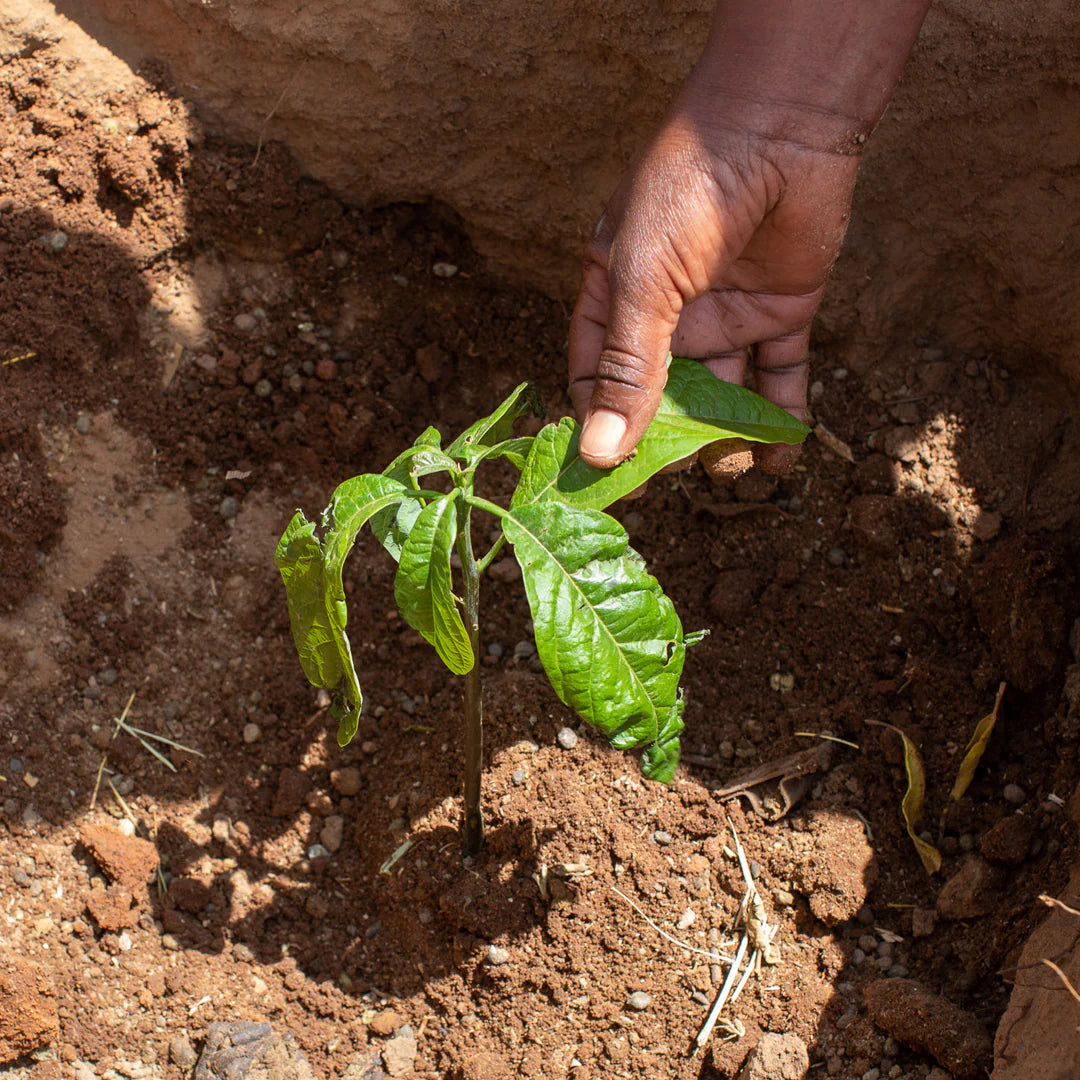
Respect for the Environment: Materials are chosen and used in a way that minimizes the burden on nature. This means prioritizing natural materials, recycling, and nurturing sustainable production methods. These are a central part of our sustainability.
-
Preserving Craftsmanship and Culture: An ethical product often supports the preservation of traditional craft skills. It is an investment in cultural heritage that is passed down from one generation to the next.
Identifying Ecological Materials: Closeness to Nature and Circular Economy at Christmas
The ecology of a decoration lies in its material choices. Natural materials not only look beautiful and timeless, but they also return to the natural cycle at the end of their lifespan. Ask yourself: what is my decoration made of, and what was its journey to my home? The answer to this question is the key to a more responsible Christmas.
The Journey of the Material: What is Your Decoration Made Of?
Look for decorations made from materials whose origin you can trace. When you choose a natural material, you are choosing a piece of naturalness and respect for nature for your home. Favor these:
-
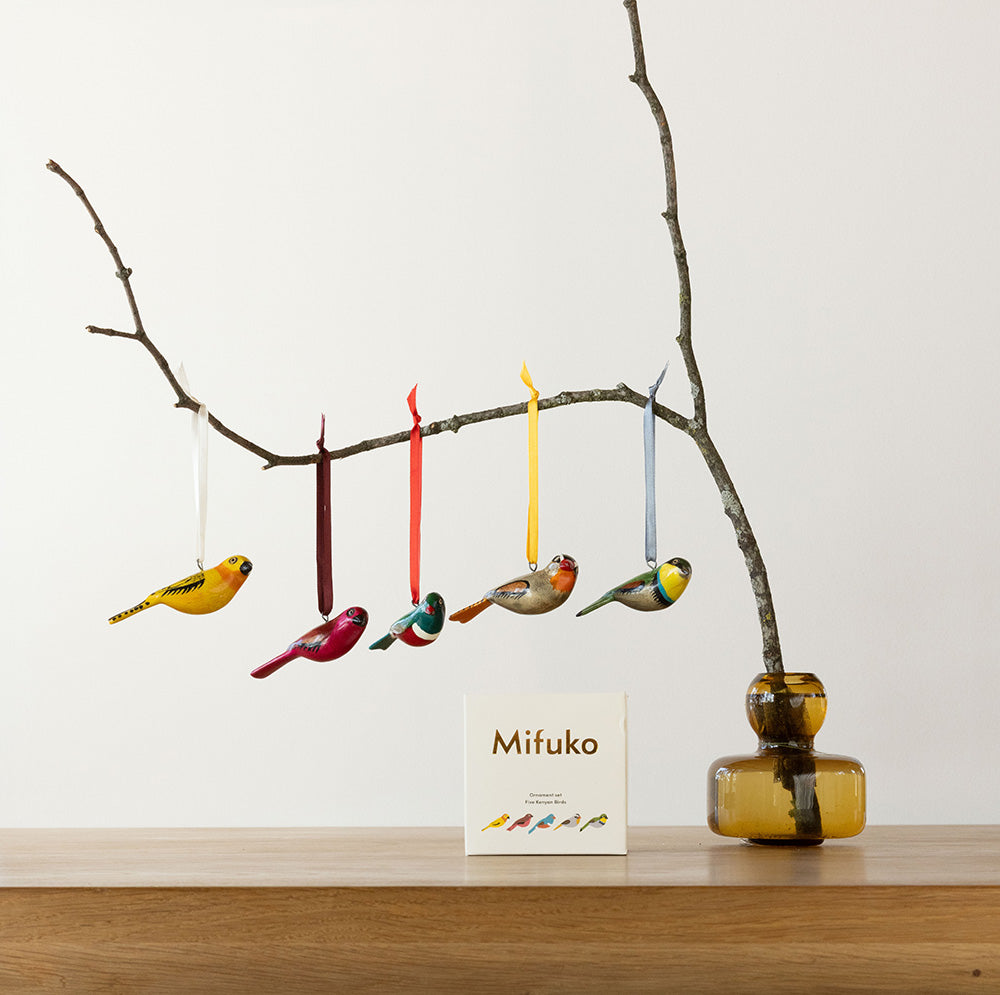
Wood: Wood from local, responsibly managed forests is a beautiful and sustainable choice. For example, our hand-carved and painted wooden decorations are made in Kenya from fallen branches of the Jacaranda tree. This is a rapidly renewable and local material. Each of our wooden ornaments brings a piece of authentic nature and an artisan's story into your home.
-
Paper and Cardboard: Decorations made from recycled paper or handmade paper pulp are lightweight, versatile, and environmentally friendly.
-
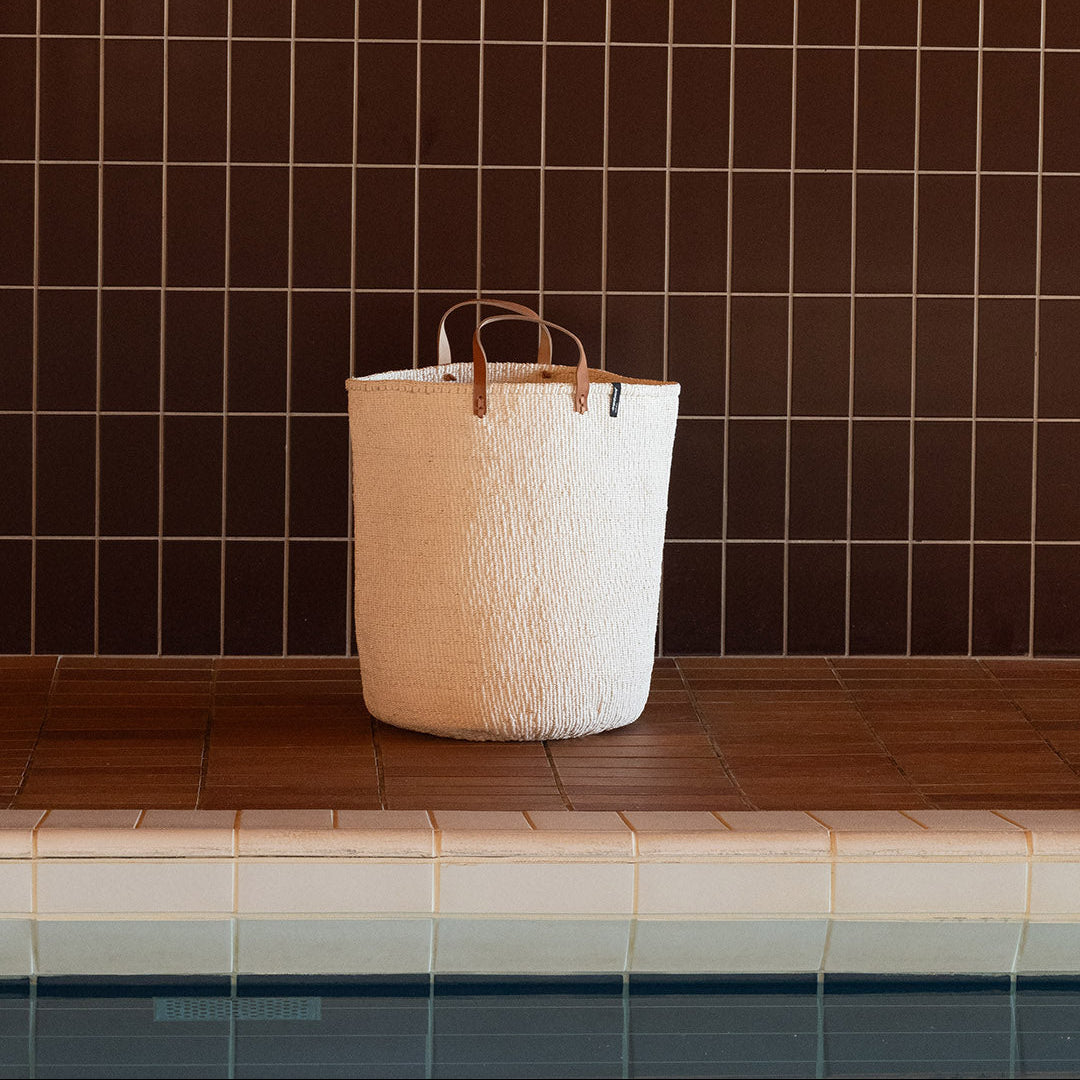
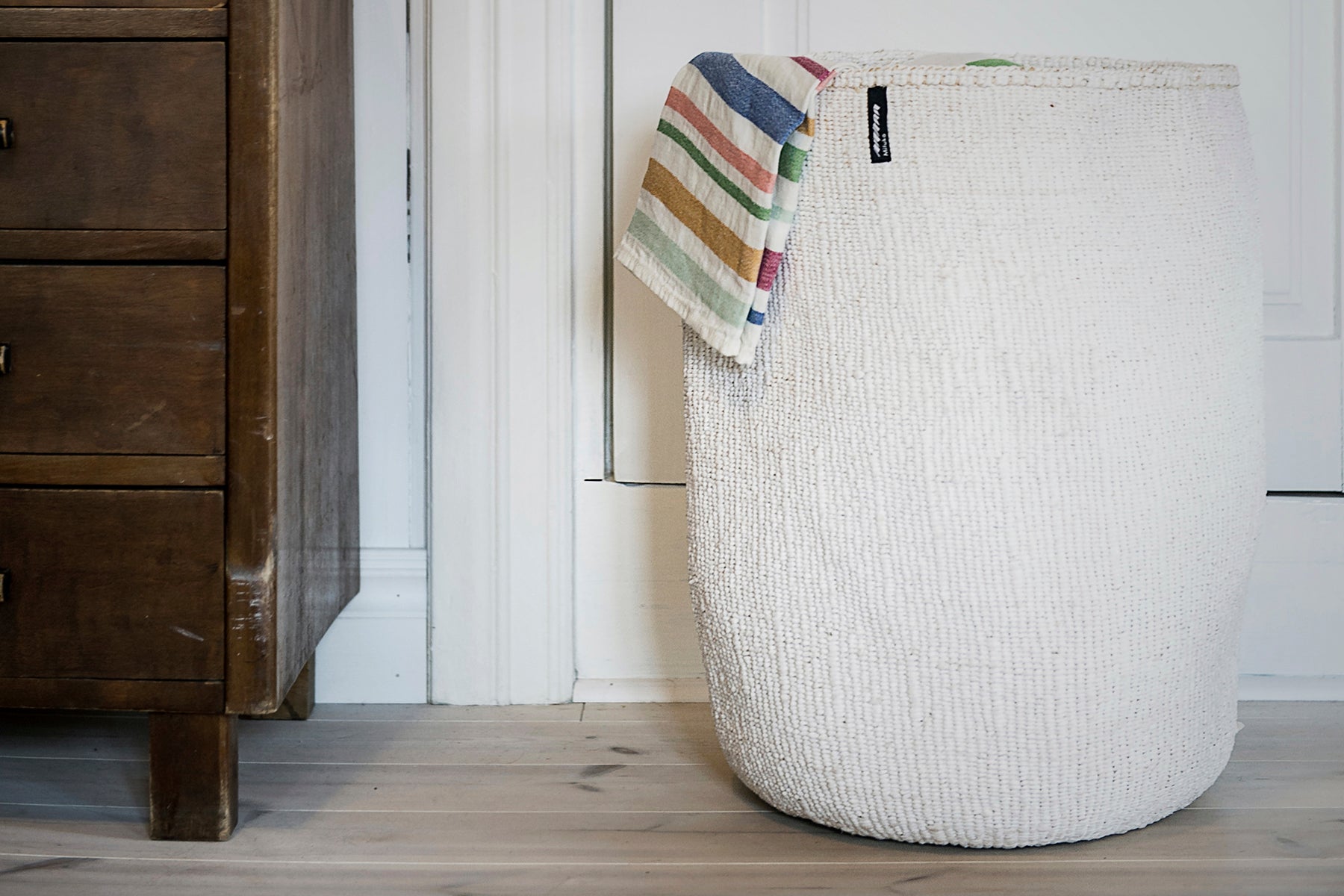
Natural Fibers: Ornaments woven from sisal, jute, or other plant fibers are eco-friendly.
Avoid These: The Trap of Plastic and Fast Fashion in Christmas Decorations
Mass-produced plastic decorations are often short-lived and quickly end up as waste. Their production consumes non-renewable resources and promotes a disposable culture. By choosing a durable and timeless ornament made from natural materials, you are doing a favor for both yourself and the planet. It is an object that does not lose its value when the season changes; instead, it becomes an important part of your family’s Christmas traditions for years to come.
The Beauty of Craftsmanship and Fair Compensation: The Story Behind the Decoration
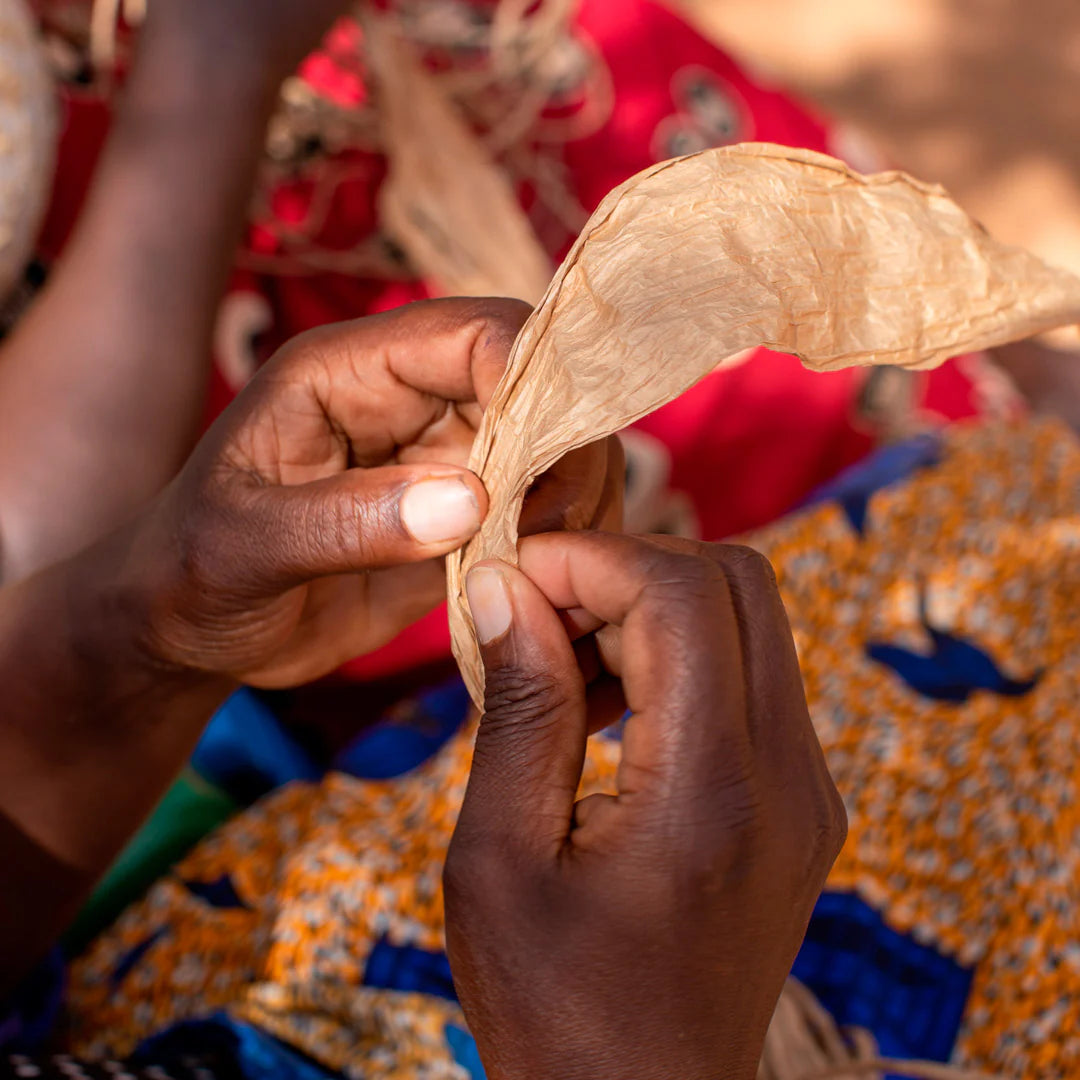
A mass-produced item is flawless, but a handmade item is perfect. Its small irregularities and unique features are not flaws, but marks of the human touch, making the decoration unique and personal. Every brushstroke and carving mark tells a story of the maker’s focus and skill.
Every Handprint is Unique
When you choose a handmade decoration, you aren't just buying a product. You are simultaneously supporting an artisan, their family, and their community. Every one of our (decorations) is made by a skilled artisan from start to finish. This purchase is a direct investment in a better future and the preservation of traditional skills.
When you hold a handmade object in your hands, you are also holding a small piece of its maker’s story and dreams. It forms a connection between two people.
How Does Fair Trade Change the World, One Decoration at a Time?
Our commitment to (Fair Trade principles) ensures that the price of the product has not been driven down at the expense of people or the environment. It translates into concrete things in our artisans' lives:
-
Stable and Reliable Livelihood: Artisans can plan for their future and educate their children.
-
Safer Working Conditions: Work is performed in conditions that respect human dignity.
-
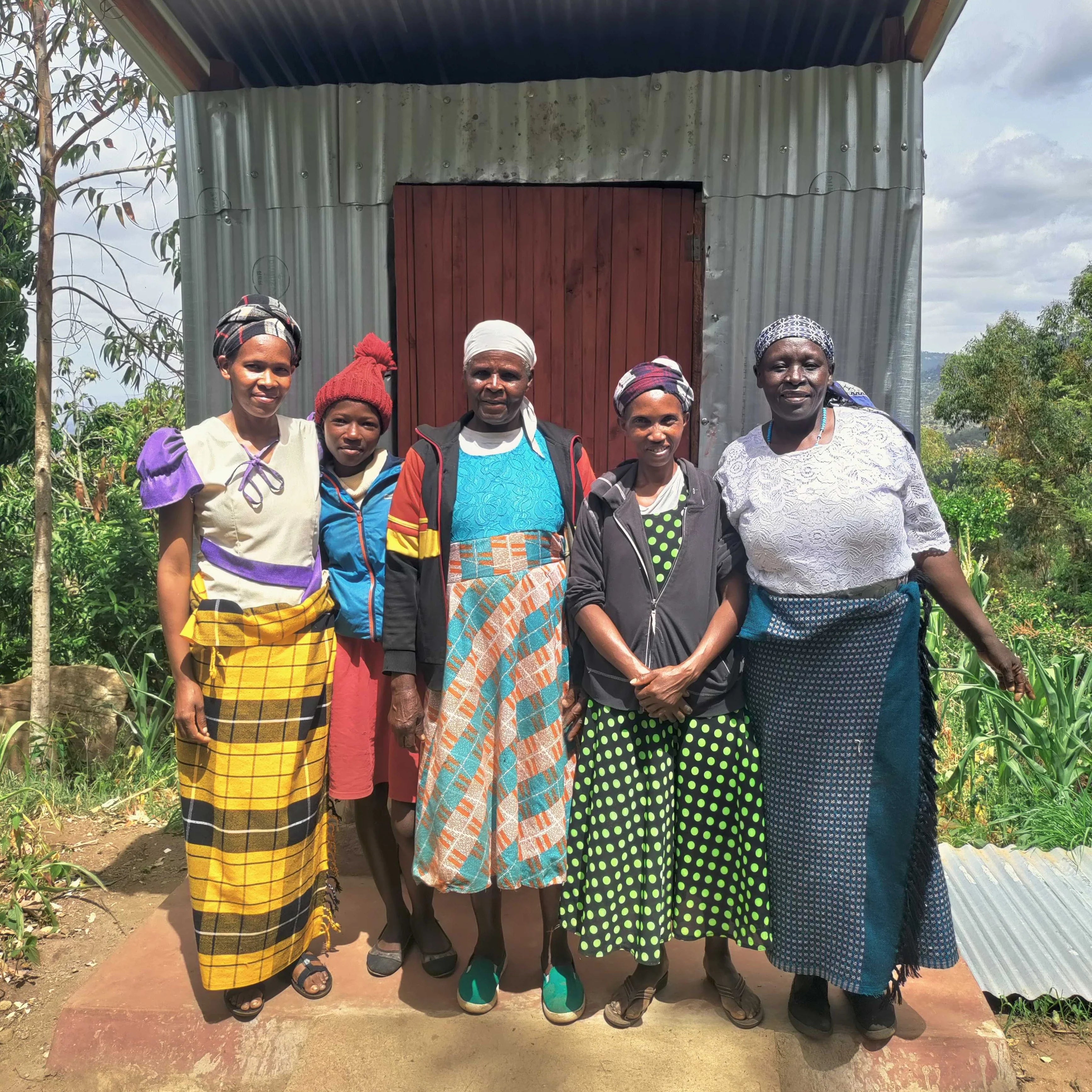
Empowering Communities: Our operations support entire communities, and you can read more about this work on our (Mifuko Trust) page.
Tips for Creating a Responsible Christmas – More Than Just Decorations
An ethical Christmas is built on small, conscious choices. It is an attitude reflected in all holiday celebrations, not just the tree ornaments. Here are a few thoughts on how to create an even more meaningful Christmas atmosphere in your home.
Create a Christmas That Feels Good
-
Prioritize Quality Over Quantity: Acquire a few (timeless and high-quality decorations) that last year after year and have stories attached to them. They are not disposable goods; they become part of your family's Christmas tradition.
-
Give the Gift of Stories: Choose gifts with a story. An ethical gift delights both the recipient and the maker, bringing meaning to both.
-
DIY and Use Nature’s Bounty: Collect pinecones, dry orange slices, or tie beautiful wreaths from branches. Homemade decorations are personal and completely ecological.
-
Recycle and Reuse: Give old decorations a new life with paint or beautiful ribbons. Responsibility also means appreciating existing items and giving them a new life.
When you choose a Christmas decoration backed by a story of fair work and pure materials, you bring more than just beauty into your home. You bring warmth, hope, and a connection to another person—and that is exactly what Christmas is all about.