



A sustainably made basket is a bridge between two worlds. It is not just a beautiful object in your home, but an item that secures a fair livelihood for Kenyan artisans, strengthens the position of women in their communities, and makes it possible for children to attend school. Every weave carries a story of resilience, tradition, and a better future.
When you run your hand over the surface of a Mifuko basket, you feel a deep knowledge passed down through generations held within the fibers. This is not a mass-produced item born in a soulless factory. It was born in skilled hands, often under the shade of trees in the peace of the countryside. But what happens after such a sustainably made basket leaves the hands of its maker and finds its way to a new home?
The impact is more profound than we often imagine. It is not limited to a single payday; it creates ripples that change the life paths of entire families and villages. It is about human dignity, security, and the opportunity to dream.
Fair Pay Guarantees Economic Stability
In many rural areas of Kenya, livelihoods are traditionally dependent on agriculture. The uncertainty of rainy seasons and the challenges brought by climate change make this way of life vulnerable. This is where responsible craftsmanship emerges as a vital pillar of support.
The Importance of Stability
Fair pay means more than just numbers. It means that an artisan can trust in tomorrow. Wages are paid directly to the maker without unnecessary middlemen, ensuring that the true value of the work stays where it was created.
When an artisan receives fair compensation for their work, they can plan for their future. This might mean better nutrition for the family, investments in a small farm, or savings for a rainy day. This economic stability is the foundation upon which everything else is built. It removes the constant struggle for survival and provides room to breathe.
| 100% | WFTO |
| Fair Pay | Certified Production |
Preserving and Valuing Traditional Craftsmanship
In a world filling at an accelerating pace with mass-produced plastic objects, traditional handicraft skills are at risk of disappearing. Weaving Kiondo baskets is a skill passed from mother to daughter for generations. It is a part of cultural heritage.
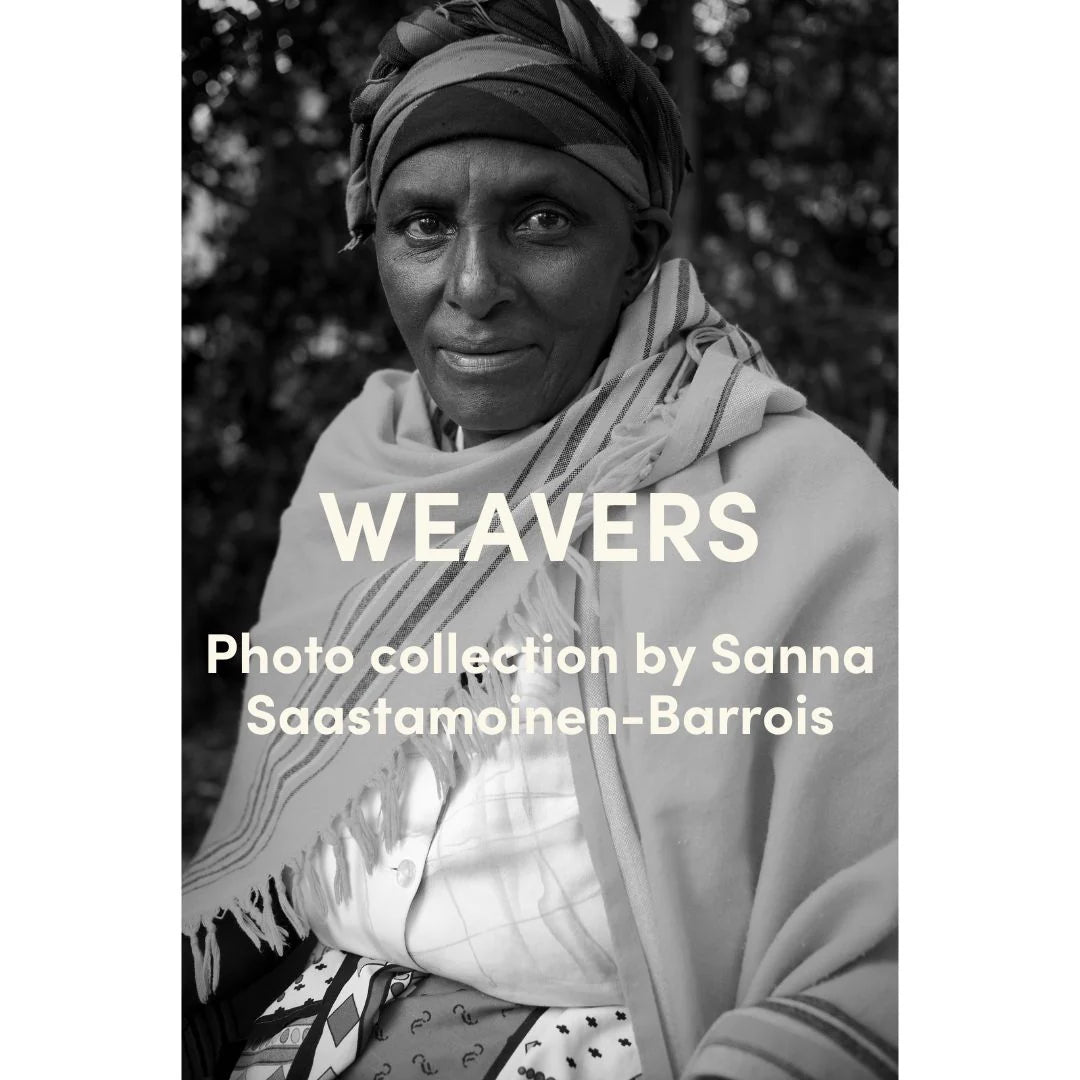
Handmade by Mary Kasee
When you choose a responsibly produced product for your home, you are also placing value on manual skill. This appreciation gives artisans a reason to be proud of their work. They are not just employees; they are artists and guardians of heritage.
Material Origin:
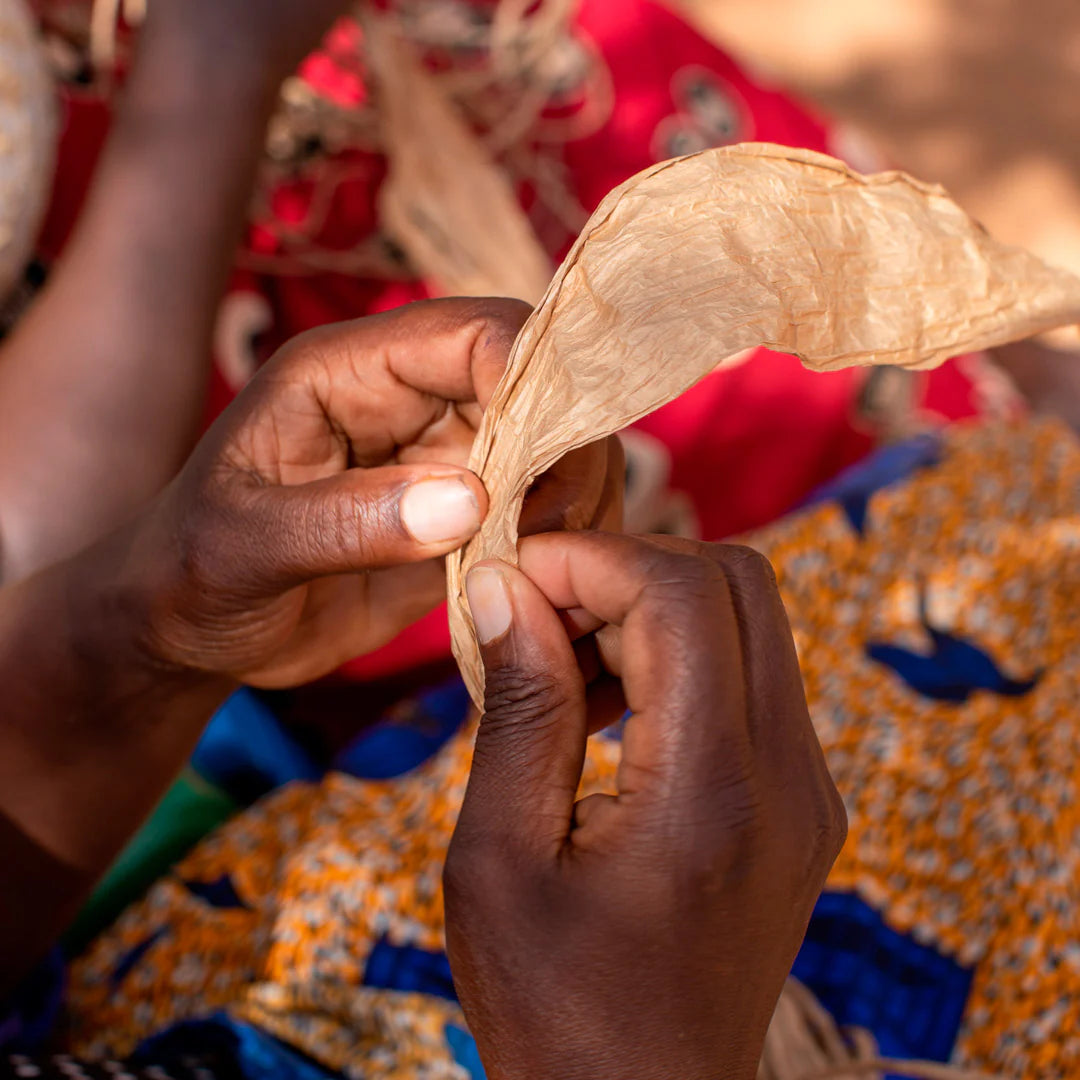
We use locally grown sisal fiber, which is a durable and renewable natural material. Every fiber is prepared by hand, making each basket a unique masterpiece.
Empowering Women in Local Communities
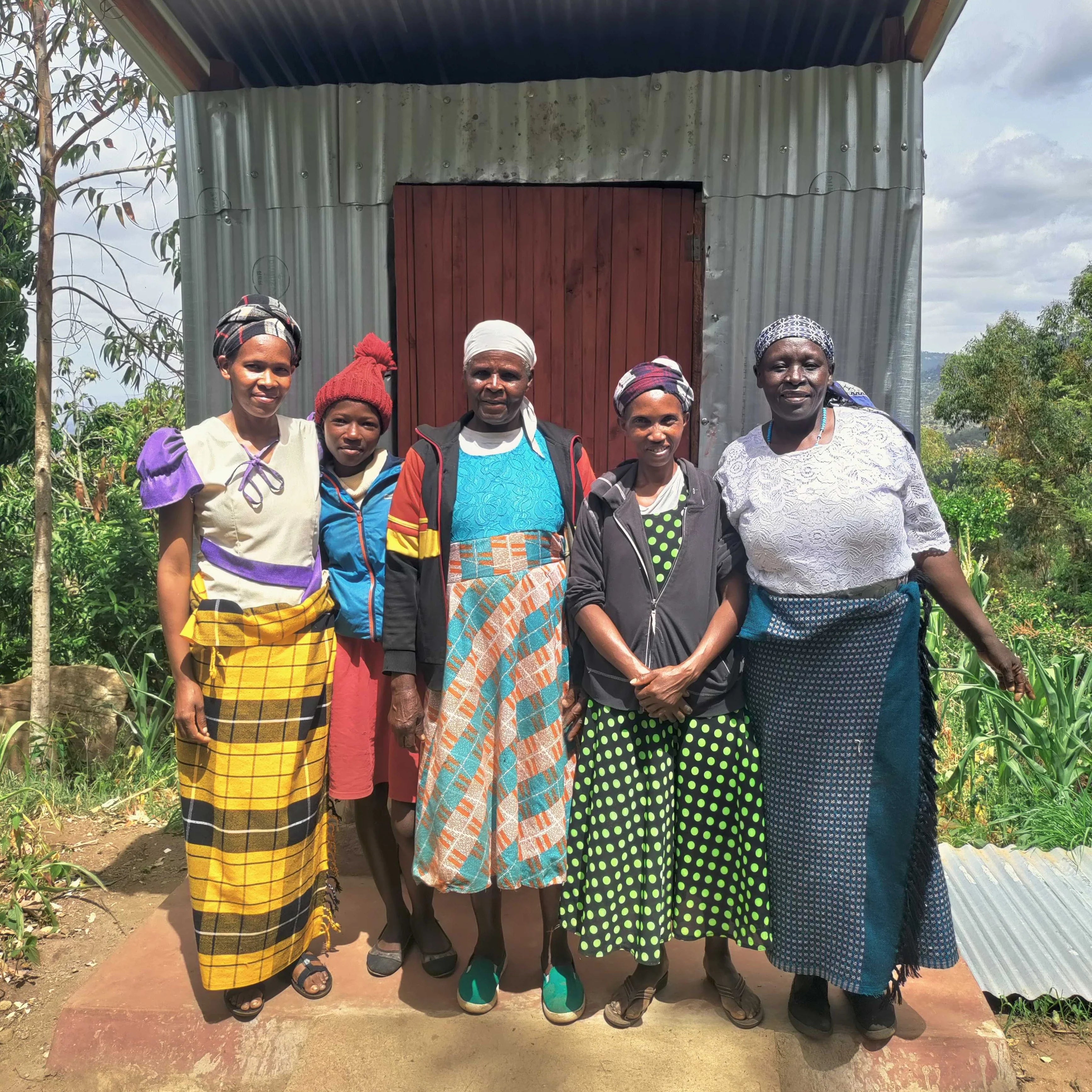
Mifuko’s story is largely a story of women. Most of the basket weavers are women living in small rural villages. When a woman has her own independent source of income, the dynamics of the entire community change.
"When a woman receives an income, she invests it directly into her family's well-being, such as healthcare, nutrition, and education. This is the key to the rise of the entire community."
Economic independence brings decision-making power. It strengthens women's voices both within the family and in village meetings. The artisans operate as part of local self-help groups where they support each other, share knowledge, and manage collective affairs. This sisterhood and sense of community are resources that carry them even through difficult times.
Education and Healthcare as Part of Responsible Production
Responsibility doesn’t end with the payment of wages; it is holistic care. For many Kenyan families, the greatest challenge is access to quality education and healthcare. A sustainably made basket is often the factor that makes school uniforms, books, and tuition fees possible.
Impact in Numbers
Through Mifuko, hundreds of families have gained a more secure future. This is not charity, but fair trade that creates lasting change.
1,300+ Artisans employed
Members of our artisan groups also receive training and support. For example, projects related to climate-smart farming and hygiene are an essential part of our NGO, Mifuko Trust. When the basics are in order, a person can focus on creating something beautiful and lasting.
The Direct Impact of Ethical Consumption on Artisan Families
As consumers, we hold enormous power. Every purchase decision is a vote for the kind of world we want to live in. By choosing a responsibly made product, you reject disposable culture and choose quality that lasts—both physically and ethically.
A Mifuko basket in your home is a daily reminder that we are all part of the same global community. It says that we value the person behind the object. This connection is what makes Mifuko special. It is not just commerce; it is a partnership based on respect and a shared vision of a more beautiful world.
Next time you place magazines, yarn, or children's toys in your basket, remember Mary, Jane, or the other skilled women whose hands crafted that item. Your choice has given them the opportunity to build their lives through their own skills. It is a gift that keeps on giving.