



Everyday objects are not only practical in interior design; they are also part of a responsible lifestyle. In home storage solutions, increasing attention is being paid to the authenticity of materials, natural textures, and durability. A handwoven basket brings individuality and a natural feel to a space in a way that mass-produced objects cannot.
The origin of objects is becoming increasingly important, and this is also at the heart of Mifuko’s story. People choose items for their homes that reflect their own values. A responsibly made basket is rooted in a craft tradition passed down from one generation to the next. It is a tangible way to support ethical work and ecological sustainability.
How does an ethically and responsibly made basket differ from a mass-produced basket?
The biggest difference between a handmade basket and an industrially produced one lies in the manufacturing process. Industrial mass production is based on speed, repetition, and often synthetic materials. A machine-made object lacks the individual touch of the human hand.
Buying a responsibly made basket directly supports the artisan. Weaving a single basket takes from half a day to as long as two days. The work requires dexterity and traditional expertise that is passed down from one generation to the next.
Ethical production ensures fair income and safe working conditions for the maker. Fair compensation strengthens the economic independence of the local community and improves quality of life.
What materials are used in ecological baskets and how do they differ?
Natural materials are a sustainable choice for interiors. Unlike plastic fibers, natural fibers can compost at the end of their life cycle. One of the most durable materials is sisal, which is obtained from the leaf fibers of the agave plant.
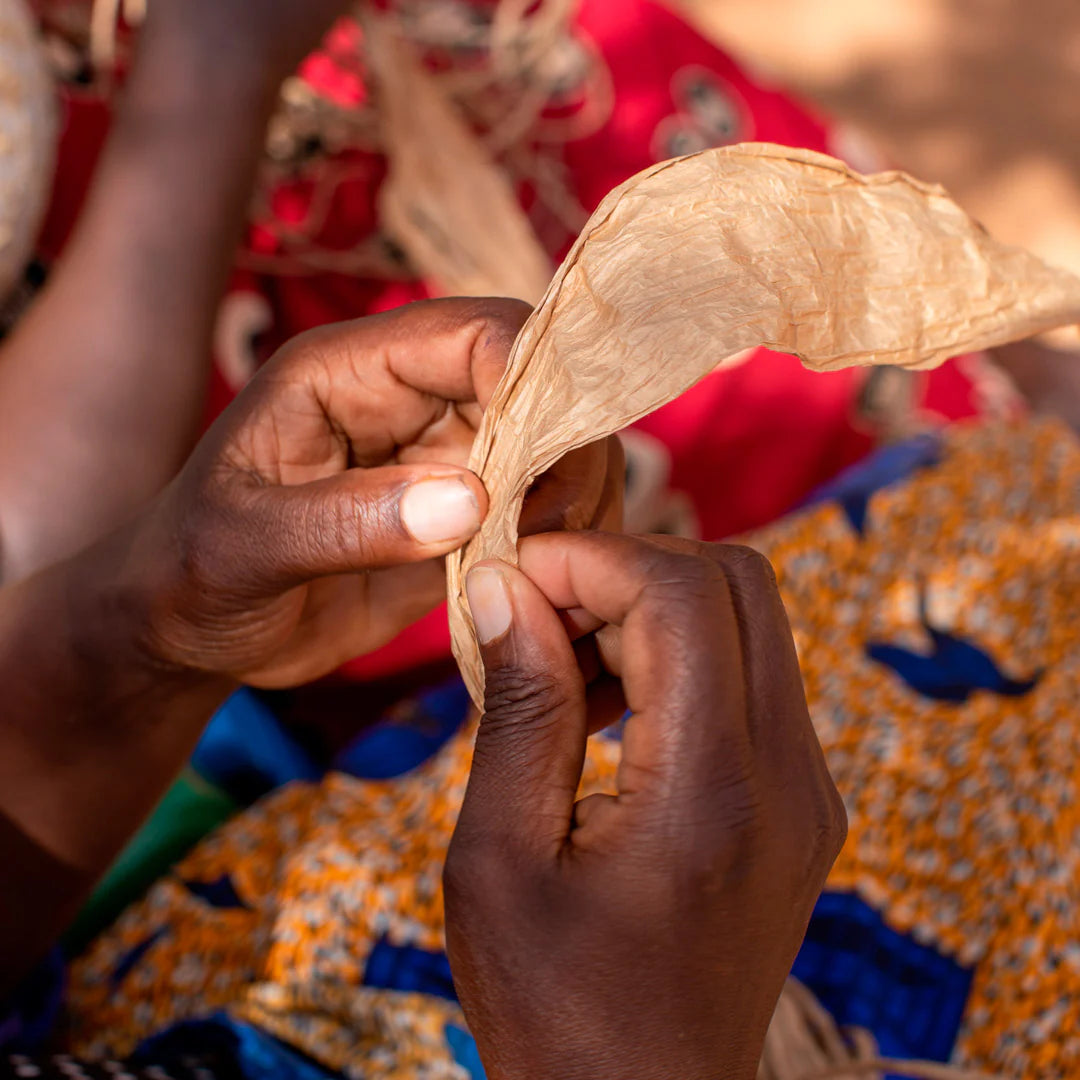
Sisal grows in Kenya’s dry soil, where many other useful crops do not thrive. It tolerates drought and strong sunlight well. After harvesting, the long and strong fibers are separated from the leaves, washed, dried in the sun, and brushed. The traditional process is environmentally friendly.
The durability and flexibility of sisal fiber make it an excellent material for storage baskets. The fiber is naturally breathable and biodegradable. When you choose a responsibly made basket made from sisal fiber, you bring a long-lasting storage solution into your home.
Every handwoven basket is individually signed
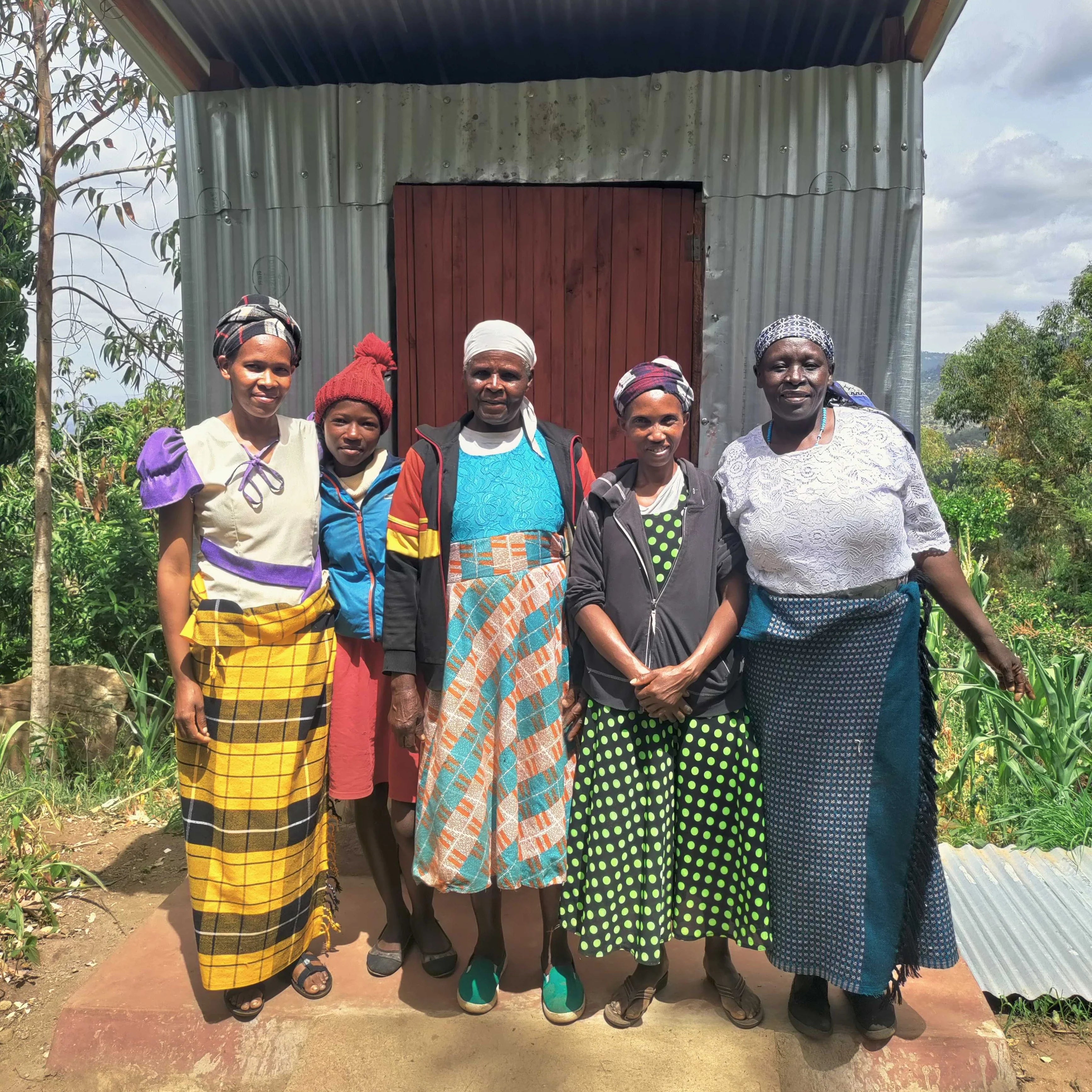
The surface of a handwoven basket carries the individual mark of its maker. Artisan groups in rural Kenya enable women to work together and support one another, strengthening the wellbeing of the entire community.
Because each basket is handmade, no two baskets are ever exactly identical in size or shape. The product tag of every finished basket carries the maker’s own signature. This makes the artisan’s work visible and creates a connection with the person who made the product.
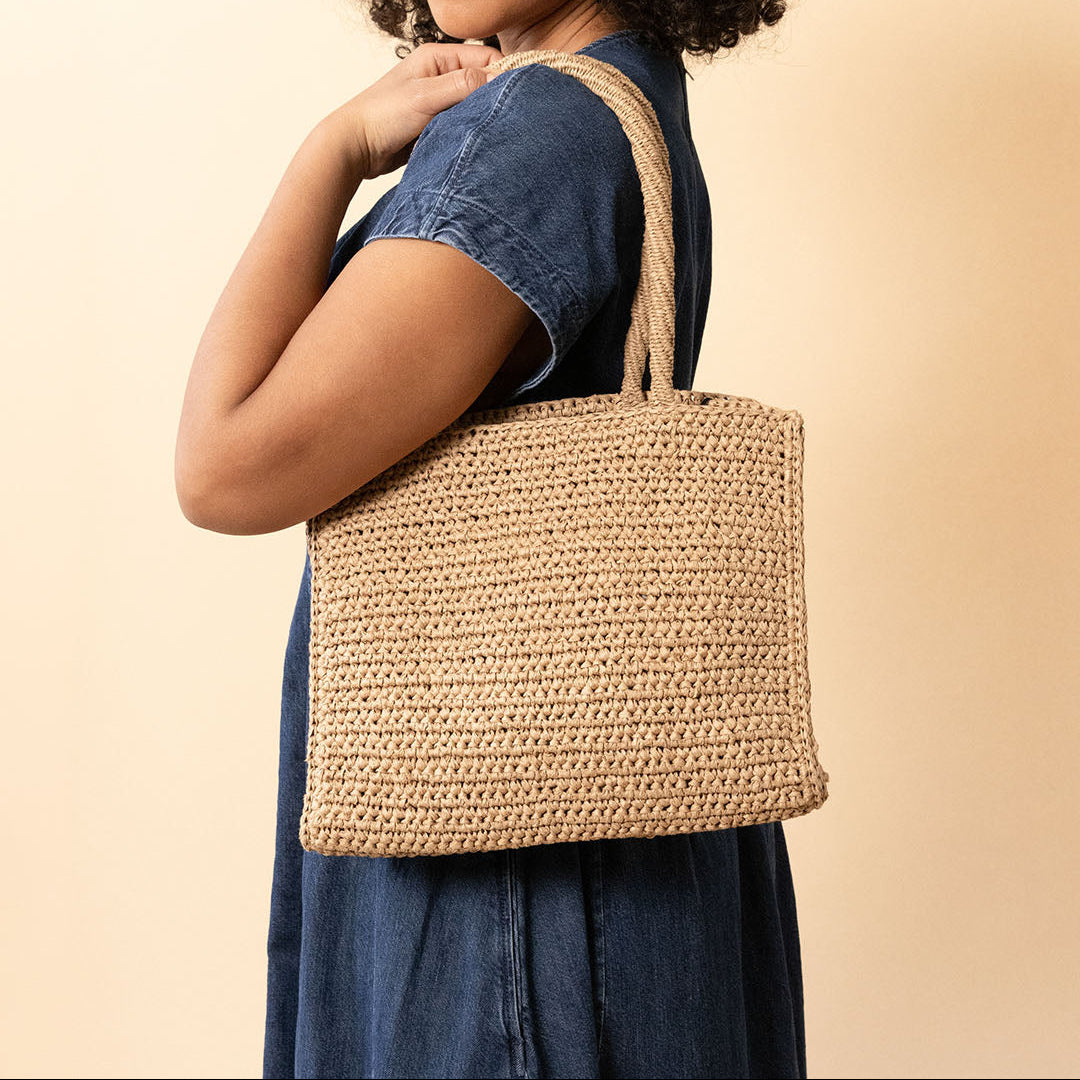
By choosing, for example, a white Kiondo basket bag for your home, you directly support the livelihoods of artisans in rural Kenya. This helps them build a more stable future for their families.
A responsible choice for your home
Mifuko baskets combine Nordic design with Kenyan craftsmanship. Explore the white Kiondo basket, which brings sustainable beauty into your interior.
Explore the Kiondo collectionCan a woven basket be used as a cover pot for a houseplant without damaging it?
Placing plants in a natural fiber basket highlights the natural look of the interior. A responsibly made basket works well as a cover pot, as long as it is protected correctly.
Baskets woven from sisal are naturally breathable. Air can circulate freely, which benefits the plant’s roots. Sisal tolerates water, but it should not be soaked, as constant moisture can damage the structure of the fibers.
A plant should not be planted directly into the basket, and watering water must not stand at the bottom. Place a waterproof saucer at the bottom of the basket and position the plant on top in its own inner pot. When watering, make sure excess water does not overflow from the saucer into the fibers. This keeps the basket in good condition for a long time.
How is a woven natural fiber basket cleaned and how are stains removed safely?
A handmade fiber basket is easy to care for. Cleaning does not require strong chemicals or detergents that could damage the fibers.
Dust can be removed by lightly shaking the basket outdoors or by vacuuming the surface with a soft brush attachment. Plain water is usually enough for cleaning stains.
Wipe the stained area with a damp cloth or rinse with water. Avoid rubbing the surface and do not machine wash the basket. Allow the basket to dry in a warm and airy place. Proper care ensures that the natural fiber retains its durability for a long time.
How can a flattened or transport-dented basket be reshaped at home?
Sisal is extremely flexible and durable. During transport, for example, a basket may be compressed to save space. This is not damage, because the flexible fiber can easily be restored to its original shape.
The basket can be reshaped easily with the help of water. You can spray a little water onto the surface of the basket, which softens the fiber and makes it easier to shape. If the basket has leather handles, avoid getting them wet.
Once the fiber is damp, shape the basket by hand back into its original form. Allow the basket to dry in an airy space. As it dries, the fiber becomes firm again and holds its new shape. Thanks to its flexibility, the basket is long-lasting and easy to care for.
A responsibly made basket is a practical and ethical choice that combines Nordic design with Kenyan craftsmanship. By choosing products with a transparent production chain and makers who receive fair compensation, you support sustainable development.
A handmade basket and the unique signature on its product tag make human craftsmanship visible. This kind of choice beautifies the home and supports fair production.