





A bag that accompanies you in everyday life is a practical place to store small items and, at the same time, a choice in favor of more responsible consumption. Awareness of the origin and makers of products is constantly growing, so more and more people are looking for an accessory whose production respects both people and the environment.
A handcrafted Fair Trade shoulder bag combines traditional weaving skills with timeless Nordic design. The living surface of natural fibers and the details of handmade work make each product unique. In addition, the buyer can be certain that the maker has received a fair and living wage for their work. However, recognizing an ethical choice requires familiarity with supply chain transparency and certifications.
How to Recognize a Truly Ethically Made Fair Trade Bag?
Evaluating sustainability can be difficult in the jungle of environmental claims. Genuine ethics are based on transparency, independent certifications, and seamless traceability of the supply chain from raw material to finished product.
One of the most reliable proofs of ethics is certification by the World Fair Trade Organization (WFTO). Rather than just product-specific labels, WFTO certification evaluates the practices of the entire organization. A certified company commits to following the ten Fair Trade principles in all its operations. These include fair compensation for work, safe working conditions, gender equality, the prohibition of child labor, and environmental responsibility.
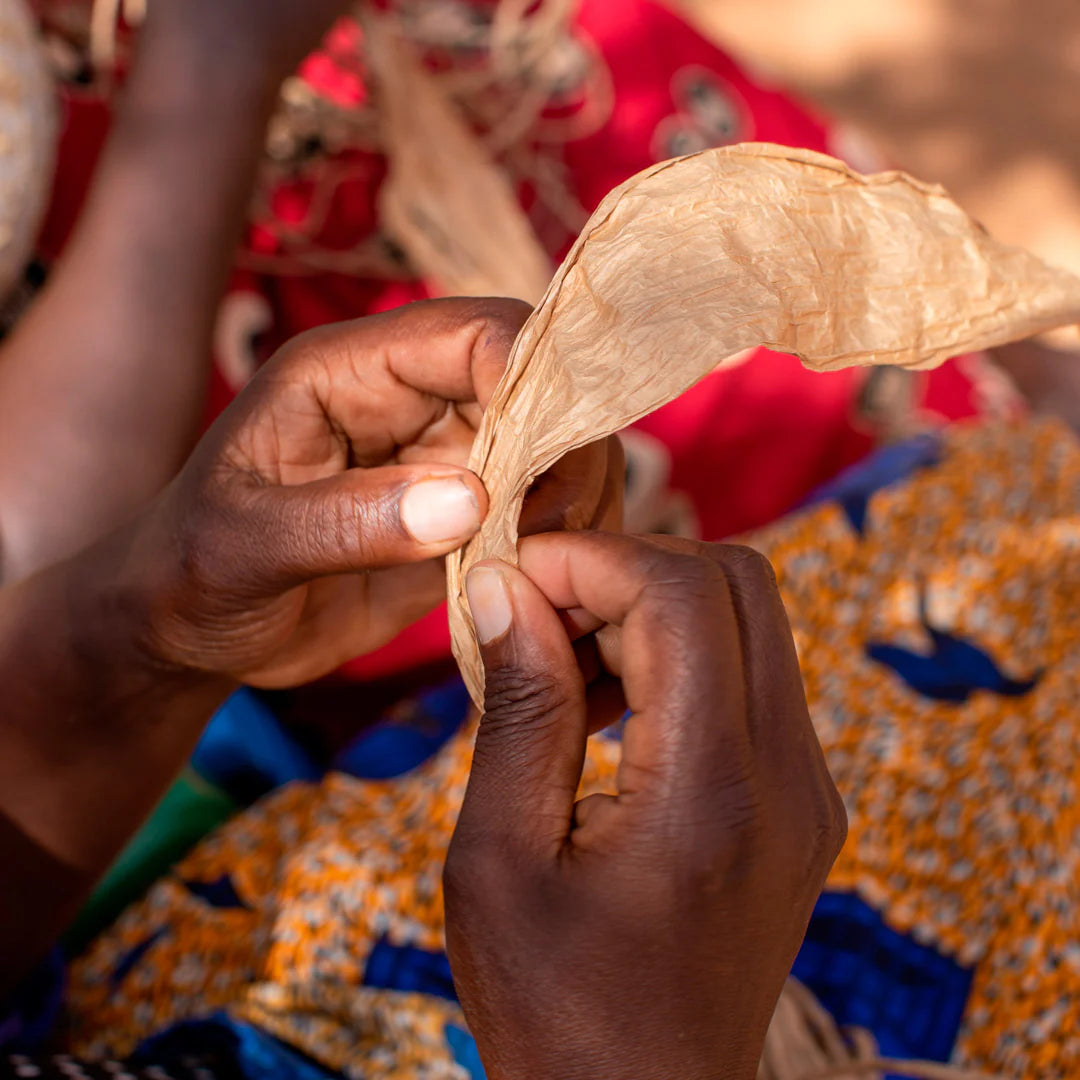
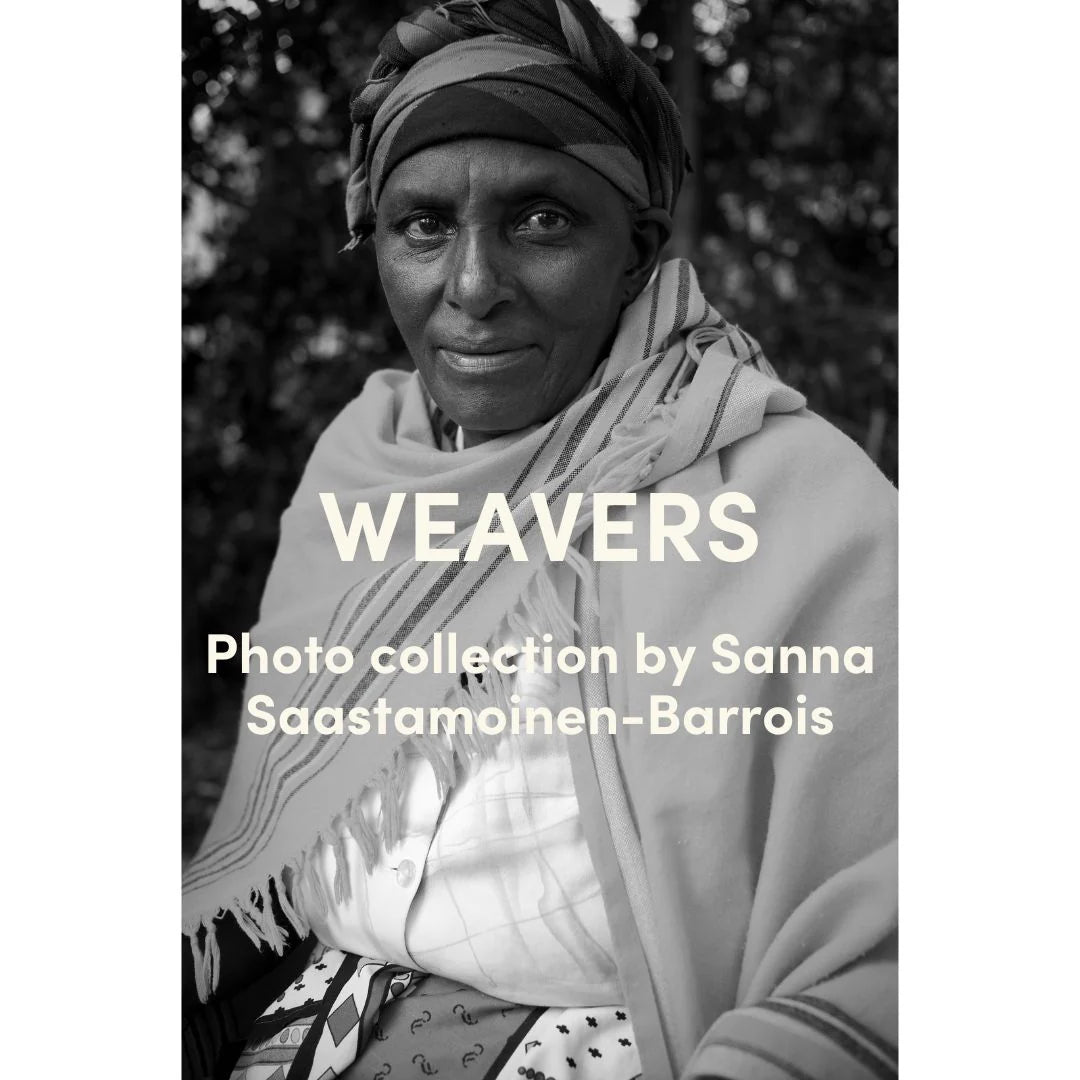
A responsible manufacturer speaks openly about the makers of its products. Clear origin demonstrates precisely where and using what methods the bag was made. The product is not created on an anonymous assembly line, but in the hands of an experienced artisan, and fair pay supports their craftsmanship.
Which Material is the Most Durable and Ecological for an Everyday Shoulder Bag?
Material selection directly affects the lifespan and environmental impact of the bag. In daily use, a bag is exposed to friction, weight, and weather variations, making the natural durability of the material crucial.
One of the most durable natural fibers is sisal, obtained from the leaves of the sisal agave. Sisal fiber is known for its excellent tensile strength and toughness. The plant thrives in arid areas without artificial irrigation or chemical fertilizers, making it an ecological raw material. A bag woven from sisal retains its shape for a long time, and its flexible structure withstands heavy items without tearing.
Another popular option due to its lightness is FSC-certified paper fiber or paper twine, which brings clarity to the design. When natural fibers are combined with vegetable-tanned leather in shoulder straps and handles, the accessory develops a beautiful patina over time. Vegetable tanning utilizes plant tannins instead of synthetic chemicals, making the leather safe for both the user and the environment. For example, the Majani shoulder bag combines these natural materials with a durable and clean-lined design.
Sisal Fiber and Vegetable-Tanned Leather
Durable natural fibers age beautifully. Renewable plant fibers are an environmentally friendly alternative to synthetic materials, as they biodegrade naturally at the end of their lifecycle.
How Does Buying a Fair Trade Bag Impact the Lives of Artisans and Communities?
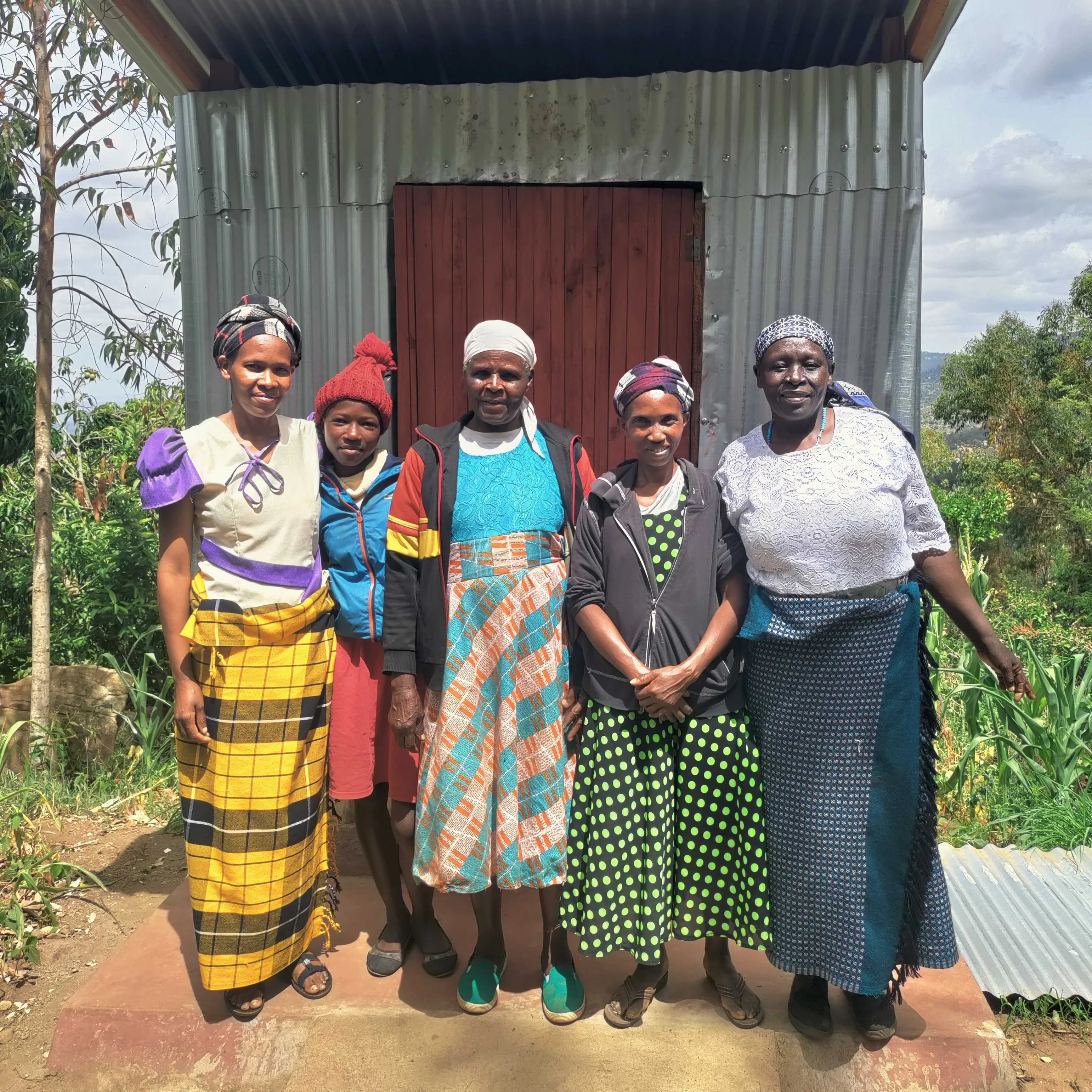
Purchasing a Fair Trade product is a direct investment in rural communities in developing regions and in women's independence. For instance, in rural Kenya, where recurring droughts make agriculture difficult, weaving work provides a stable and regular source of income.
Regular compensation makes artisans financially independent. The earned income pays for children's school fees, covers healthcare expenses, and secures food and farming supplies. The income earned strengthens the entire local community, as funds earned by women are directed straight into basic everyday needs.
Fair Trade also supports the preservation of traditional cultural heritage. For example, the Kiondo shoulder bag is made using a weaving technique passed down from generation to generation. When there is a fair market for traditional handicraft, younger generations also want to learn the skills and continue the traditions in their home regions.
Hand-Woven Beauty from Kenya
Discover Kiondo shoulder bags hand-woven by Kenyan women, combining generations of traditional craftsmanship with timeless Nordic design. Every bag carries the name and story of its maker.
Explore Kiondo Shoulder BagsHow Do Bag Size and Shoulder Strap Adjustability Affect Everyday Comfort?
A functional everyday shoulder bag is both spacious and lightweight. The flexible structure of a hand-woven bag adapts to body movements, and the natural fiber softens with use while maintaining its structure.
An oval base shape is a practical solution, as it distributes weight evenly and provides ample storage space. A wallet, keys, and other small essentials fit in easily, and the bag sits comfortably against the body when carried.
Strap adjustability and high-quality materials guarantee good ergonomics. A strap made of vegetable-tanned leather allows the bag to be adjusted to a suitable height, whether carried cross-body or on one shoulder. The soft leather does not dig into the shoulder and withstands daily use without cracking.
Shaped for Everyday Movement
The oval design and flexible plant fibers make the bag light to carry. An adjustable leather strap guarantees a good fit in different situations.
How to Properly Care for an Ethical Shoulder Bag Made of Natural Materials?
With proper care, a hand-woven shoulder bag retains its shape and durability for a long time. Maintaining natural materials is simple as long as you remember a few basic principles.
If a sisal or plant-fiber bag loses its shape during storage or transport, it is easy to reshape. Sisal fiber softens with moisture: lightly spray the bag's surface with a water mist, then shape the bag by hand into the correct form. After this, let the product dry in an airy room-temperature spot, away from direct sunlight and radiators.
Regular airing keeps natural fibers fresh. Stains can be gently cleaned with a damp cloth without strong detergents. Leather parts should be treated occasionally with natural leather wax or balsam, which keeps the leather supple and protects it from moisture.
A Fair Trade shoulder bag combines ethics, practicality, and a timeless look. When the origin of materials and production methods are clear, the bag serves as a reliable accessory for years to come.
An ethically produced natural fiber bag represents traditional craftsmanship and supports the livelihoods of rural communities. A carefully chosen and properly cared-for accessory preserves its utility for a long time.