





The objects we choose for our homes reflect our values. A carefully crafted design basket serves as a practical storage solution while also acting as a beautiful decorative element. A basket woven from natural fibers brings warmth to a space in a way that industrial plastic boxes simply cannot. Every fiber and weave reflects the origin of the material and the skill of the artisan who made it.
A basket’s natural structure and appearance will remain beautiful for a long time when it is cared for properly. Regular and appropriate maintenance ensures that the basket withstands everyday use and retains its qualities year after year. A high-quality, well-cared-for natural fiber basket is a long-lasting purchase that develops a beautiful patina with use.
A handmade design basket is a testament to traditional craftsmanship
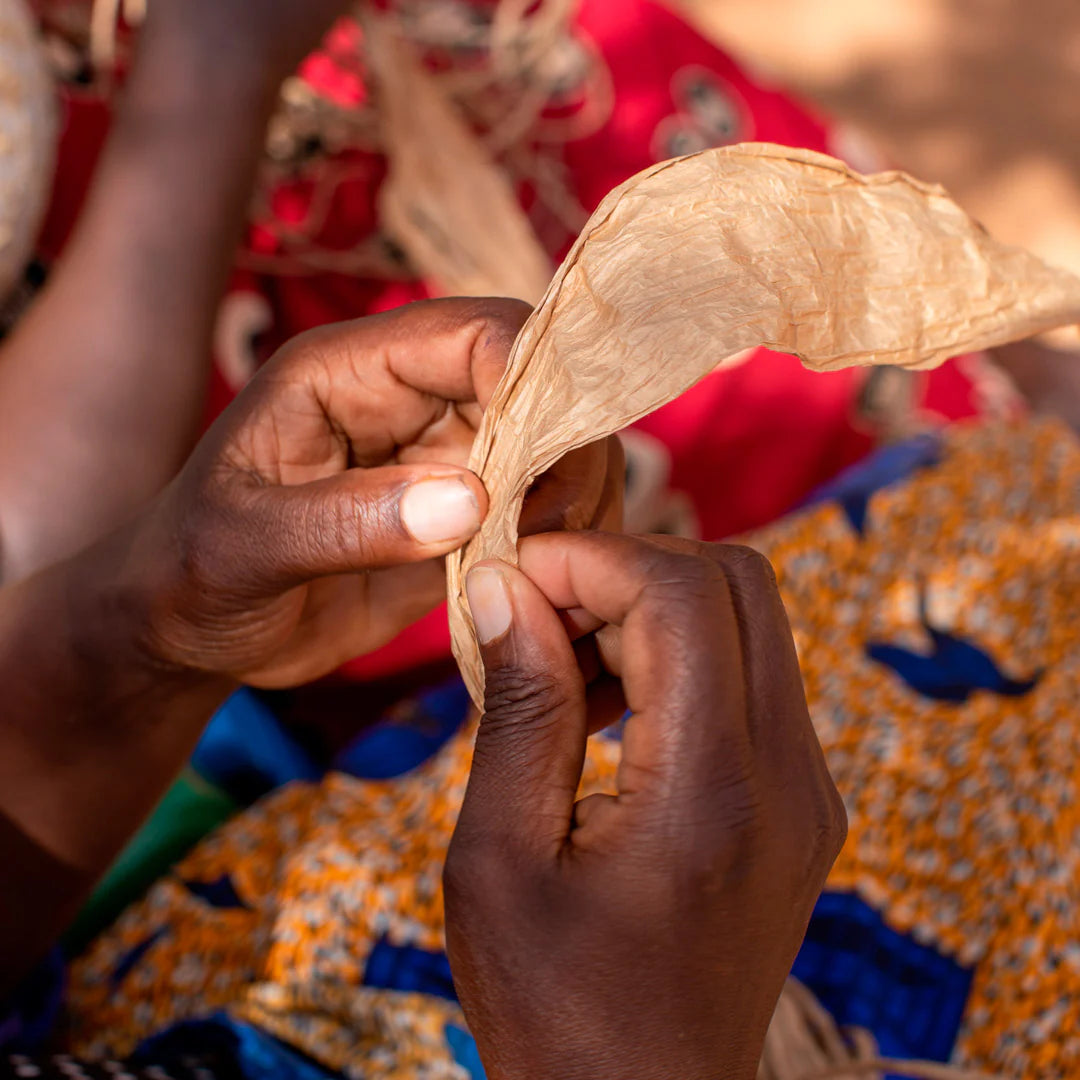
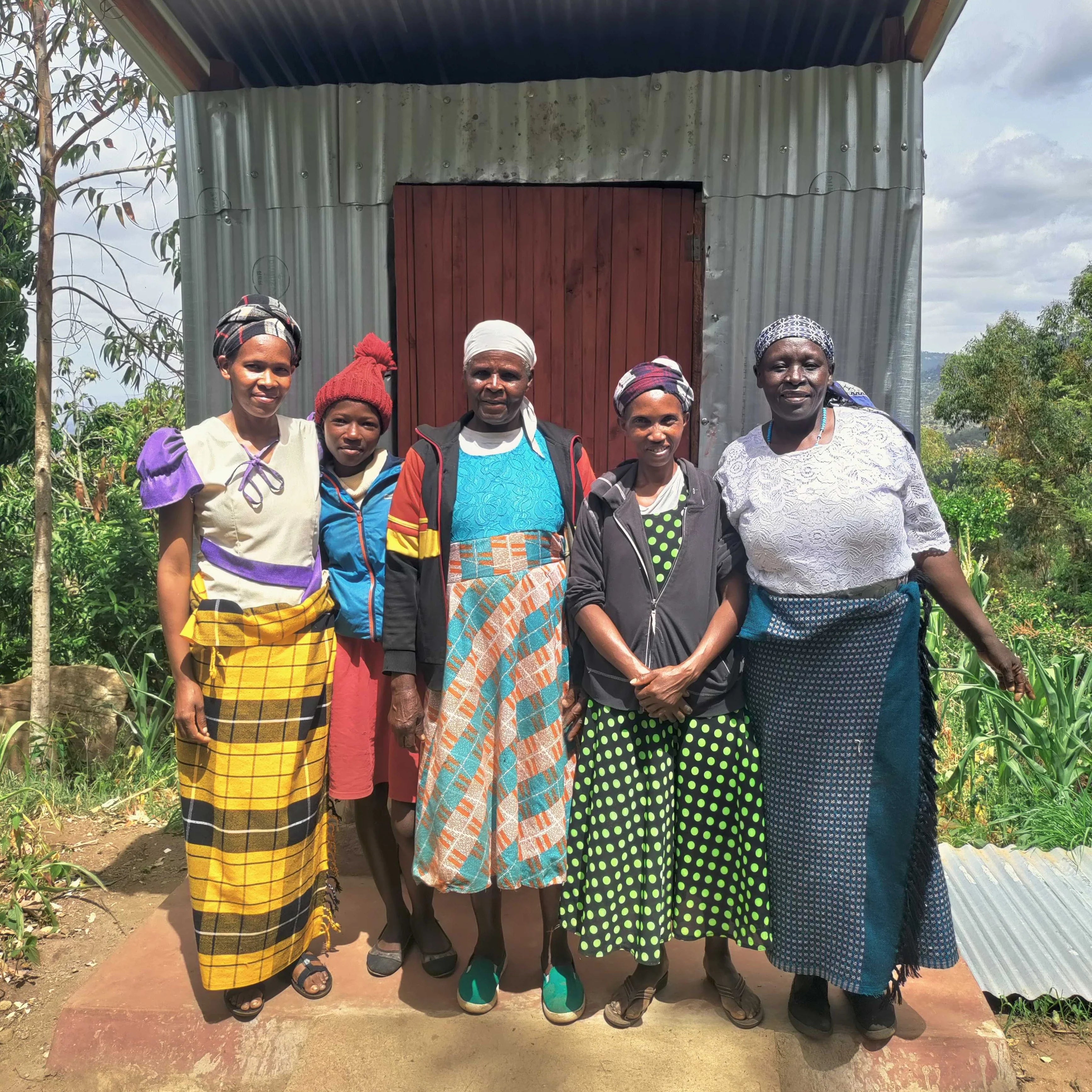
A handcrafted object brings together quality and tradition. Every design basket is made using traditional methods. For example, artisans living in rural Kenya master intricate weaving techniques that have been passed down from one generation to the next. Instead of machine-made mass production, a handwoven basket offers an individual and refined look that reveals the maker’s craftsmanship.
The process begins with the selection and gathering of the raw material. Preparing the fiber from the leaves of the tough sisal plant requires precision and experience before the weaving can even begin. Each basket is a unique product. Even when made by the same artisan, subtle differences in detail emerge, giving each basket its own character. This is why proper care is important both for the product’s long lifespan and for honoring the tradition of craftsmanship behind it.
Cleaning and care instructions for a handmade design basket
Natural fiber is a flexible material that reacts somewhat to the conditions around it. Care is simple, as long as the basket is treated gently. Dust that gathers in everyday use can be removed by vacuuming the basket regularly with a soft brush attachment. Alternatively, the basket can be taken outside and lightly shaken in the fresh air. Sisal fiber is extremely strong and designed to withstand long-term use.
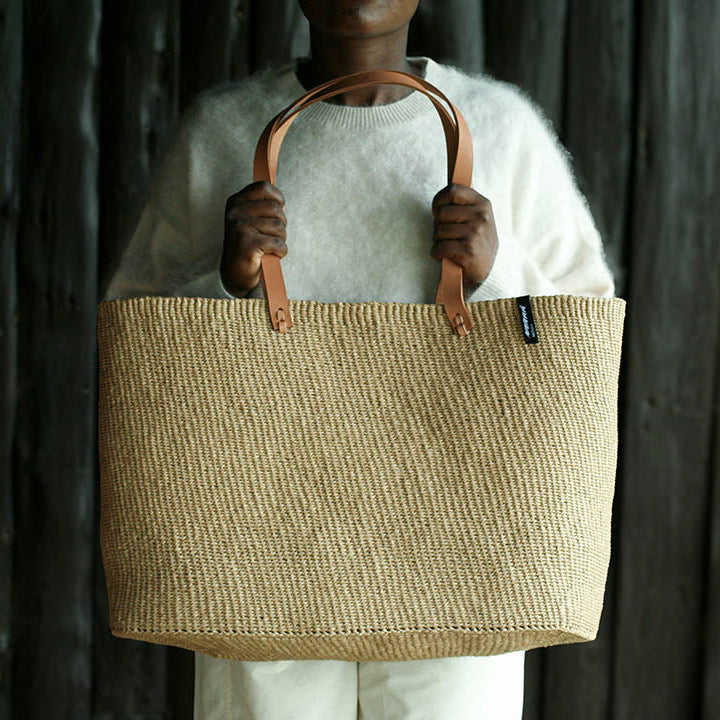
If the basket becomes stained, avoid strong detergents and harsh scrubbing. A damp cloth moistened with warm water is usually enough to remove dirt. Sisal fiber has a natural ability to be reshaped with moisture. If the basket loses its shape during transport or storage, its original roundness can be easily restored. Lightly mist the basket with water, shape it by hand, and allow it to dry in a well-ventilated space. The moisture temporarily softens the fibers, allowing them to settle easily into the desired shape. For example, a classic natural-toned kiondo basket bag stays structured with this simple method.
Using a woven basket as a plant cover and protecting it from moisture
A woven basket works beautifully as a decorative cover for a houseplant and brings a natural look to the interior. A basket made from natural fiber tolerates moisture well, as long as it is protected from direct contact with soil and water. Sisal is an extremely resilient material, but constant wetness can damage the fibers and may cause darkening or mold to form.
Protection is easy in practice. Do not plant directly into the basket; instead, use a plastic or ceramic inner pot. Place a waterproof saucer with sufficiently high edges under the pot, or protect the bottom of the basket with a tight layer of plastic. This prevents excess water from coming into contact with the fibers. It is also a good idea to lift the plant out of the basket when watering and allow it to drain properly before placing it back. This keeps the base of the basket dry and airy, helping protect the material from damage.
Eco-friendly and durable natural materials for home storage
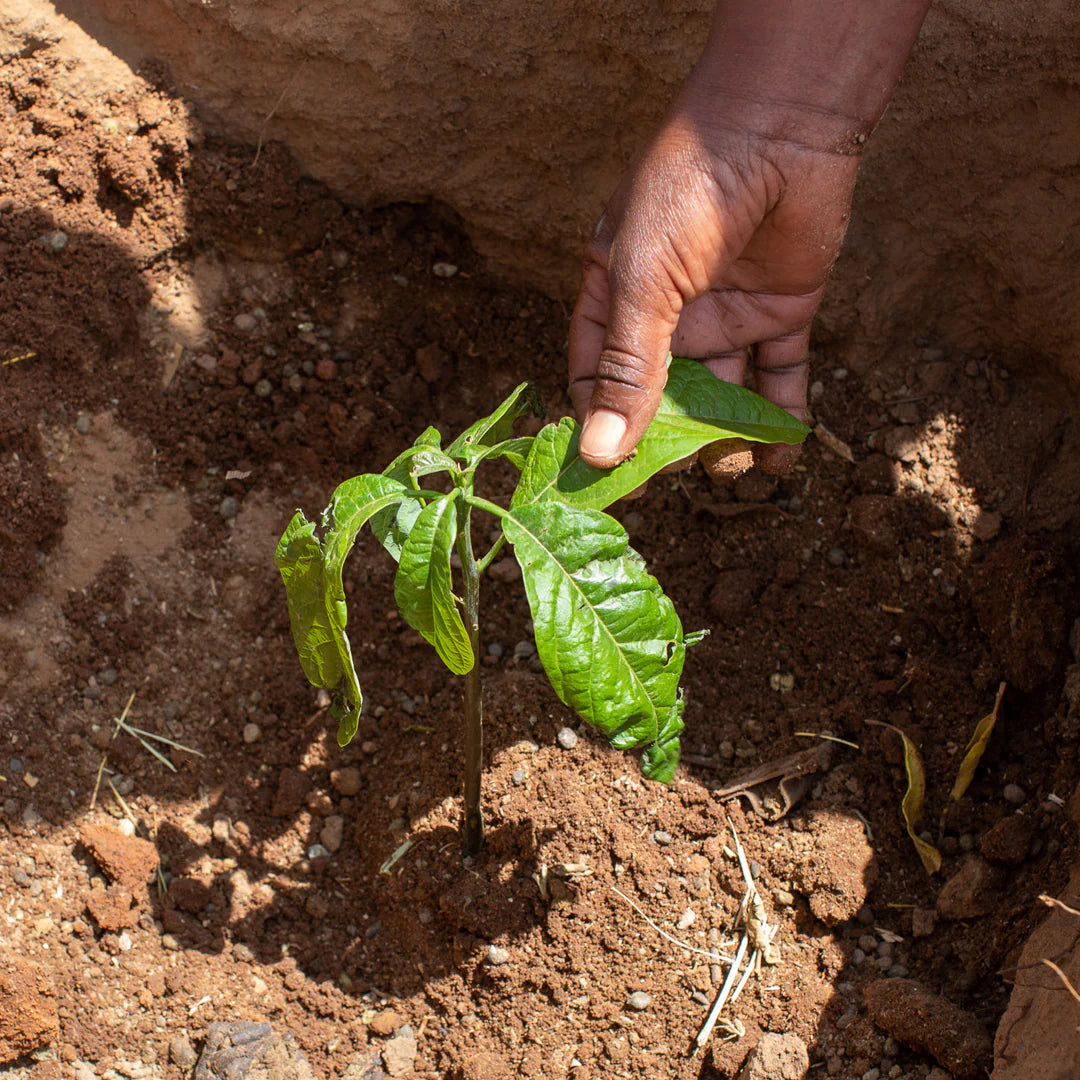
When choosing storage solutions, the quality of the material matters greatly. Instead of plastic boxes, natural materials offer a more environmentally friendly, biodegradable alternative that lasts for a long time in use. Sisal fiber is one of the most durable natural materials. Sisal, which belongs to the agave family, grows in dry and harsh regions where many other plants do not thrive. It requires very little water and does not need artificial fertilizers to grow.
The leaf fibers of the sisal plant give the product good tensile strength and resistance to wear. Instead of cracking or yellowing like plastic containers, a high-quality fiber basket keeps its shape and develops a neat patina over time. Choosing an item woven from natural fiber reduces demand for fossil-based raw materials and supports sustainable development. If you are looking for a timeless storage solution, the white M-sized kiondo basket bag represents pared-back Nordic design combined with traditional craftsmanship.
Durable Sisal Fiber
Sisal is a renewable natural resource that absorbs carbon as it grows and requires very little water. A basket woven from this material is a durable, biodegradable, and long-lasting choice for keeping the home organized.
Explore the White Kiondo BasketHow to recognize an authentic and responsibly made handcrafted basket
There are many mass-produced imitations on the market, but an authentic and responsibly made handcrafted basket can be recognized by certain features. The clearest sign is its individual handmade character. Industrially made products are completely identical, while in a handwoven basket every stitch and every variation in fiber tone is unique. Slight irregularities are proof of authenticity and craftsmanship.
Another reliable way to verify a product’s origin is to check its background and certifications. Responsible operators are committed to fair trade principles. World Fair Trade Organization (WFTO) certification, for example, guarantees fair pay, safe working conditions, and support for women’s economic independence. An ethically made basket can often also be recognized by the maker’s signature. Every authentic basket comes with a tag personally signed by the artisan who made it.
Every Basket Has a Signature
When you purchase an authentic design basket, it comes with a tag on which the artisan who made it has written their name. You know exactly whose hands created the basket that has found its way into your home.
A basket’s longevity is an ecological choice
Taking care of the objects in your home is part of responsible consumption. When you clean a handwoven basket regularly and reshape it with a light mist of water when needed, you significantly extend the product’s lifespan. Maximizing its life reduces the need to constantly buy new, short-lived storage solutions, which helps conserve natural resources.
Using a high-quality and well-maintained basket supports the preservation of traditional craftsmanship. When you choose an ethically made product and take good care of it, you directly support the livelihoods and independence of women artisans in developing countries. When cared for properly, a design basket will remain in use for years, making it both an economically and ecologically sound choice.