


What Does Fair Trade Mean in the World of Bags?
Principles Beneath the Surface
Fair trade is a promise and a commitment. It is not merely charity, but a model for sustainable business built on respect and partnership. When we talk about a Fair Trade bag, we are talking about a product where every weave carries a deeper significance. For the artisan, it means, above all, fair and reliable compensation for their work—a wage that allows them to support their family, educate their children, and plan for the future.
However, it is about much more than that. Fair Trade guarantees safe and healthy working conditions, prohibits the use of child and forced labor, and promotes gender equality. At the core of these operations are long-term partnerships that enable the empowerment and economic independence of artisan communities. It is an investment in people and their skills.
The Clear Distinction from Fast Fashion
In the world of fast fashion, supply chains are often complex and opaque, and price competition drives manufacturing costs to unsustainably low levels—frequently at the expense of the worker and the environment. Fair Trade operates on the opposite principle. It offers a transparent and traceable chain from the field or workshop all the way to your shoulder.
When you choose a Fair Trade bag, you aren’t just buying a passing trend. You are making a conscious decision to support slow fashion, where quality, durability, and timelessness replace a disposable culture. It is a statement in favor of high-quality craftsmanship and responsible consumption—the idea that it is better to own less, but to choose well.
More Than a Bag: Value You Can See and Feel
Materials Tell Their Own Story
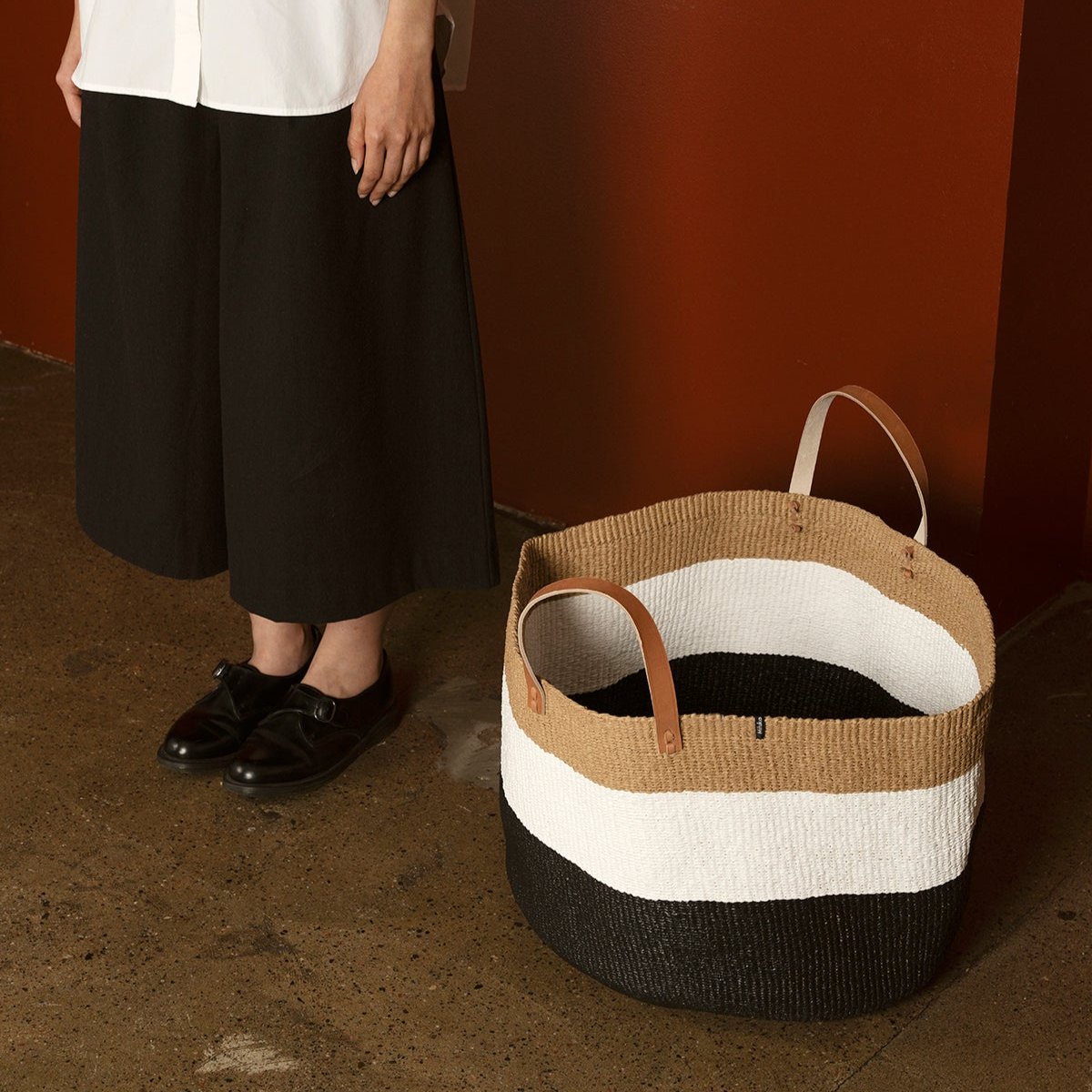
The value of a Fair Trade bag or basket begins at its roots—the materials. Unlike fast fashion, where synthetic and cheap materials are common, Fair Trade products prioritize local, sustainable, and often organic raw materials. In Mifuko’s bags, this is seen in the innovative use of traditional sisal, local elephant grass, or paper.
These materials are not only more environmentally friendly, but they also look and feel different. They possess character, texture, and a vibrancy that speaks of their origin. A durable material combined with meticulous work ensures that the bag is not just an accessory for one season, but a long-lasting companion.
The Unique Mark of Craftsmanship
Mass-produced bags are identical copies of one another, but every handmade Fair Trade bag is a unique masterpiece. Small variations in the weave or shape are not flaws; they are marks of authentic craftsmanship—proof that there is a human being, not a machine, behind the product. This human touch makes the bag personal.
At Mifuko, this connection is taken even further. Every artisan signs the product they have made. This small but meaningful gesture transforms the bag from an anonymous object into a personal message. It is a direct bond between the maker and the wearer, serving as a reminder of the story and skill behind the bag.
A Transparent Supply Chain Builds Trust
One of the greatest values a Fair Trade bag offers is peace of mind. You can carry your bag with pride, knowing exactly where and how it was made. Fair Trade companies operate openly, sharing information about their production processes and their artisans. This transparency builds trust and gives the consumer the certainty that their choice supports ethical and responsible practices.
When you know that the maker of your bag has received a fair wage and worked in safe conditions, the value of the product grows. It becomes more than just an object—it becomes a part of positive change.
Why Choose a Fair Trade Bag? Your Impact Reaches Further Than You Think
Direct Support for Artisan Communities
When you purchase a Fair Trade bag, your choice is not just aesthetic—it is an investment in people. Your purchase turns into concrete support that reaches the artisan, their family, and the entire community directly. It provides a stable and reliable source of income, enabling economic independence and empowering women to act as entrepreneurs and leaders within their communities.
The impact is visible in everyday life: children can attend school, family healthcare improves, and future plans become a reality. This is not aid; it is empowerment through work that respects the artisan’s professional skill and gives them the keys to improving their own lives.
A Sustainable Choice for the Environment
Ethicality and ecology often go hand in hand. Fair Trade principles extend to respecting the environment. By choosing a bag made from local and renewable natural materials, you support a production method with a carbon footprint significantly smaller than that of industrial mass production.
A high-quality, handcrafted Fair Trade bag is built to withstand time and use. It is slow fashion at its best: instead of constantly buying new things, you invest in one timeless product that will serve you for years. This reduces waste and conserves natural resources.
Timeless Style and Durability Hand in Hand
Responsibility does not mean compromising on style. On the contrary, Fair Trade bags are often timelessly beautiful and full of personality. Their design combines modern aesthetics with traditional craftsmanship, creating a unique and lasting result.
By choosing such a bag, you receive not only a high-quality and durable accessory but also a story you can proudly share. It is a statement of your values and a sign that you care about how and where your products are made.
How is a Fair Trade Bag Made? A Glimpse into the Artisan's Daily Life
The Union of Traditional Techniques and Modern Design
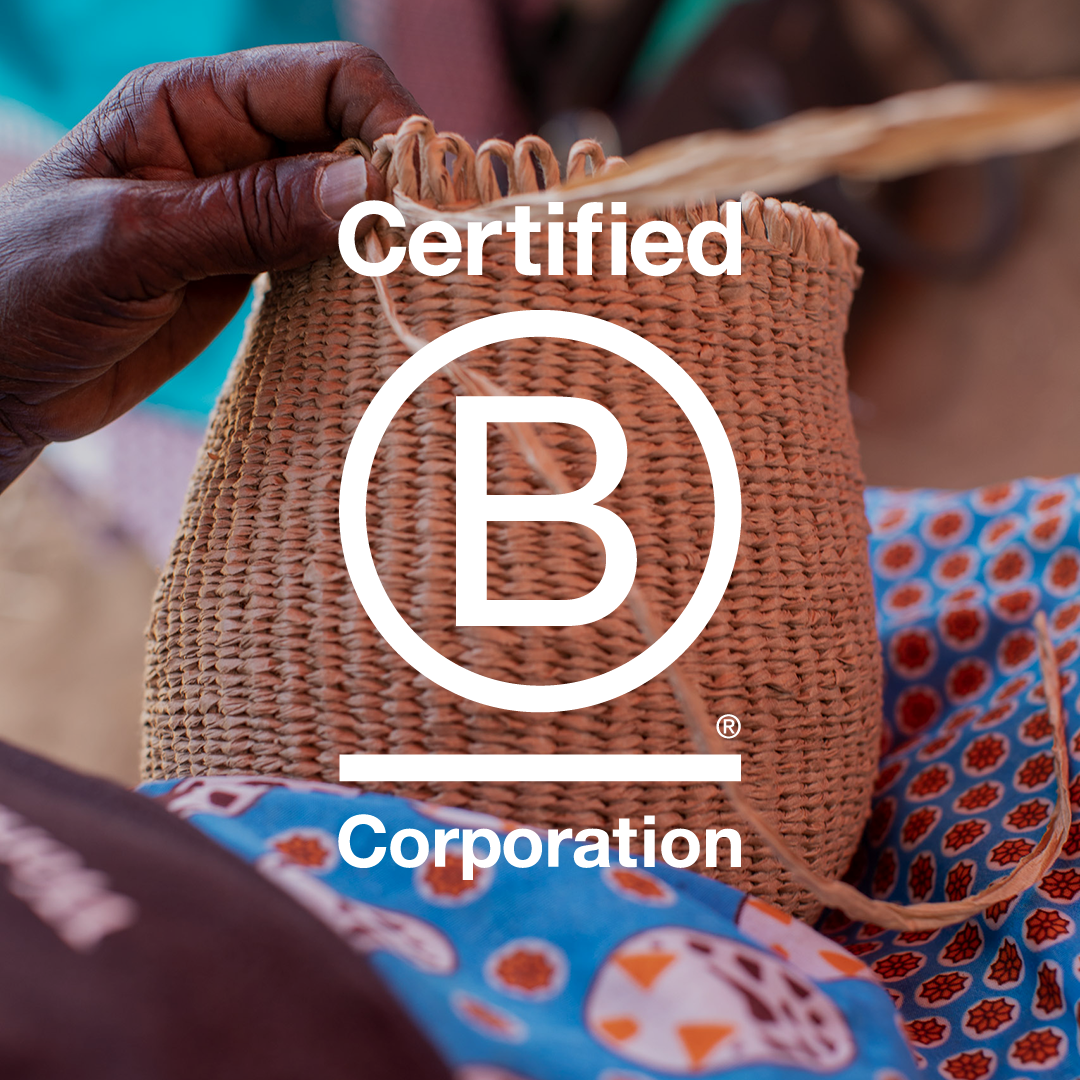
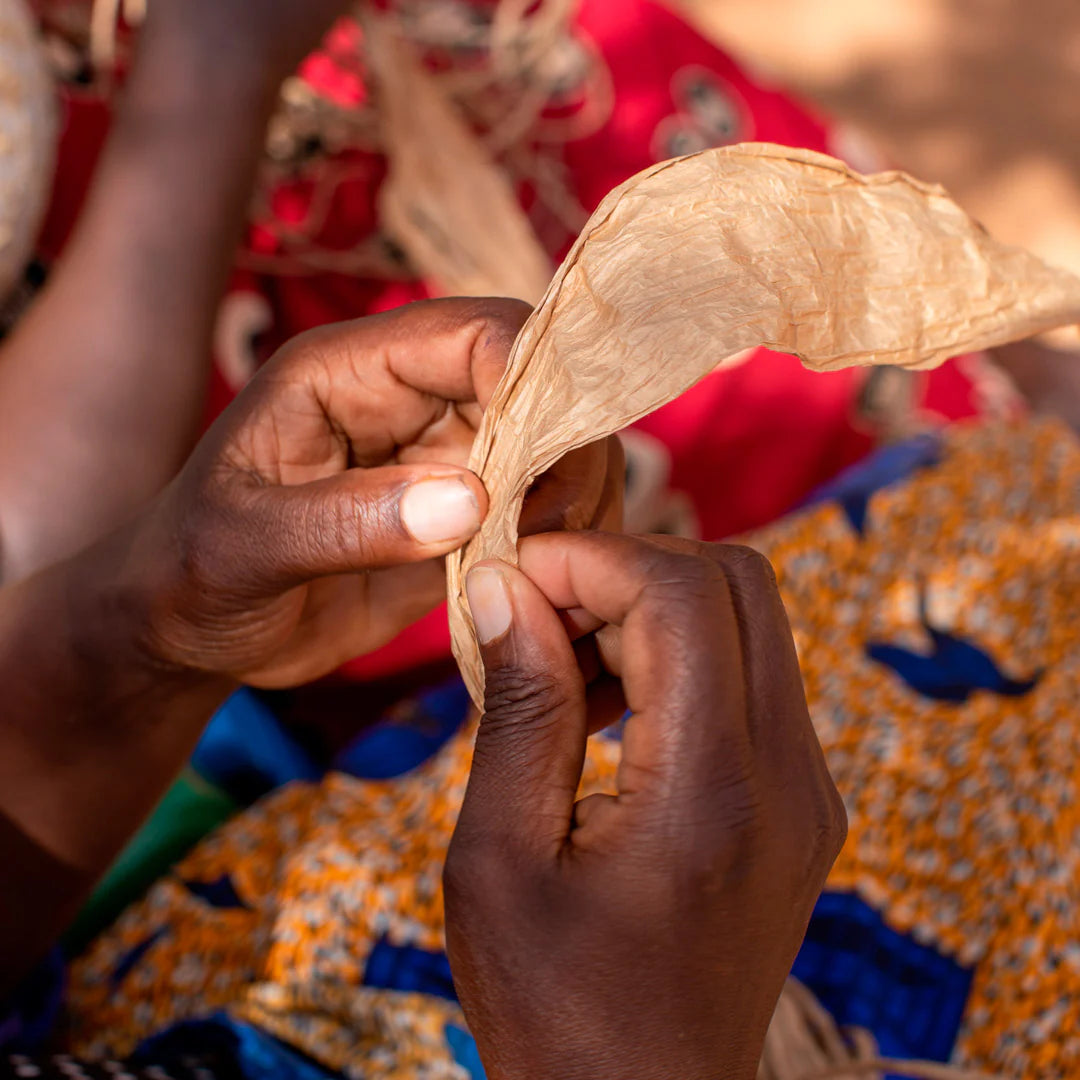
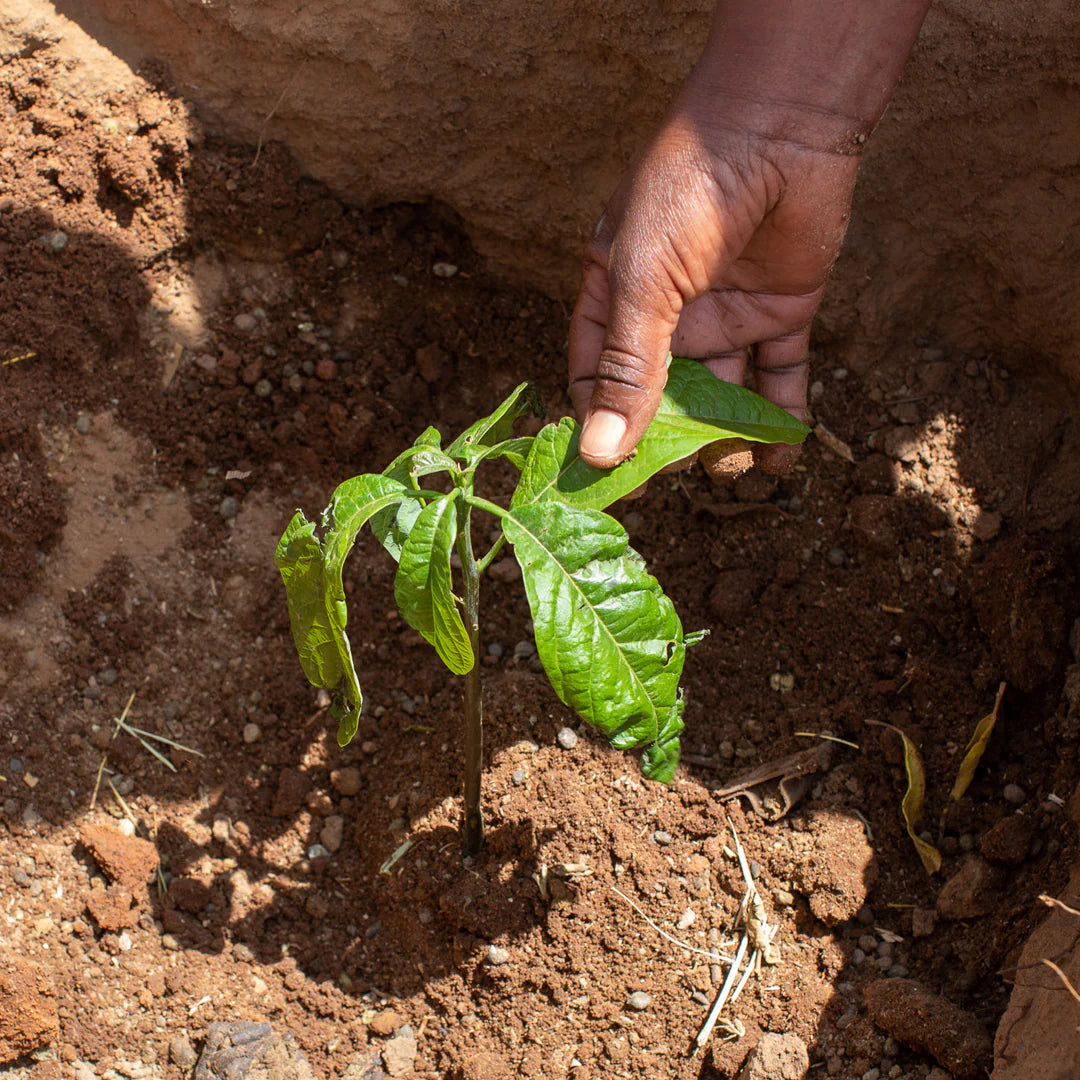
The creation of a Fair Trade bag is a slow and deliberate process that respects both the material and its maker. It all starts with nature: materials like sisal, banana fiber, paper, or elephant grass are harvested and carefully prepared for handwork. This can involve drying, dyeing with natural colors, and preparing fibers for weaving. Every stage requires time and a deep understanding of the material's properties.
The weaving itself is an art form passed down through generations. An artisan’s skilled fingers interlace the fibers, creating a durable and beautiful structure. This process seamlessly blends traditional African craftsmanship with modern Scandinavian design. The simple, clean lines and functionality at the heart of Mifuko’s design are brought to life with the warmth of a unique handmade touch.
Every Bag is a Story Waiting for Its Wearer
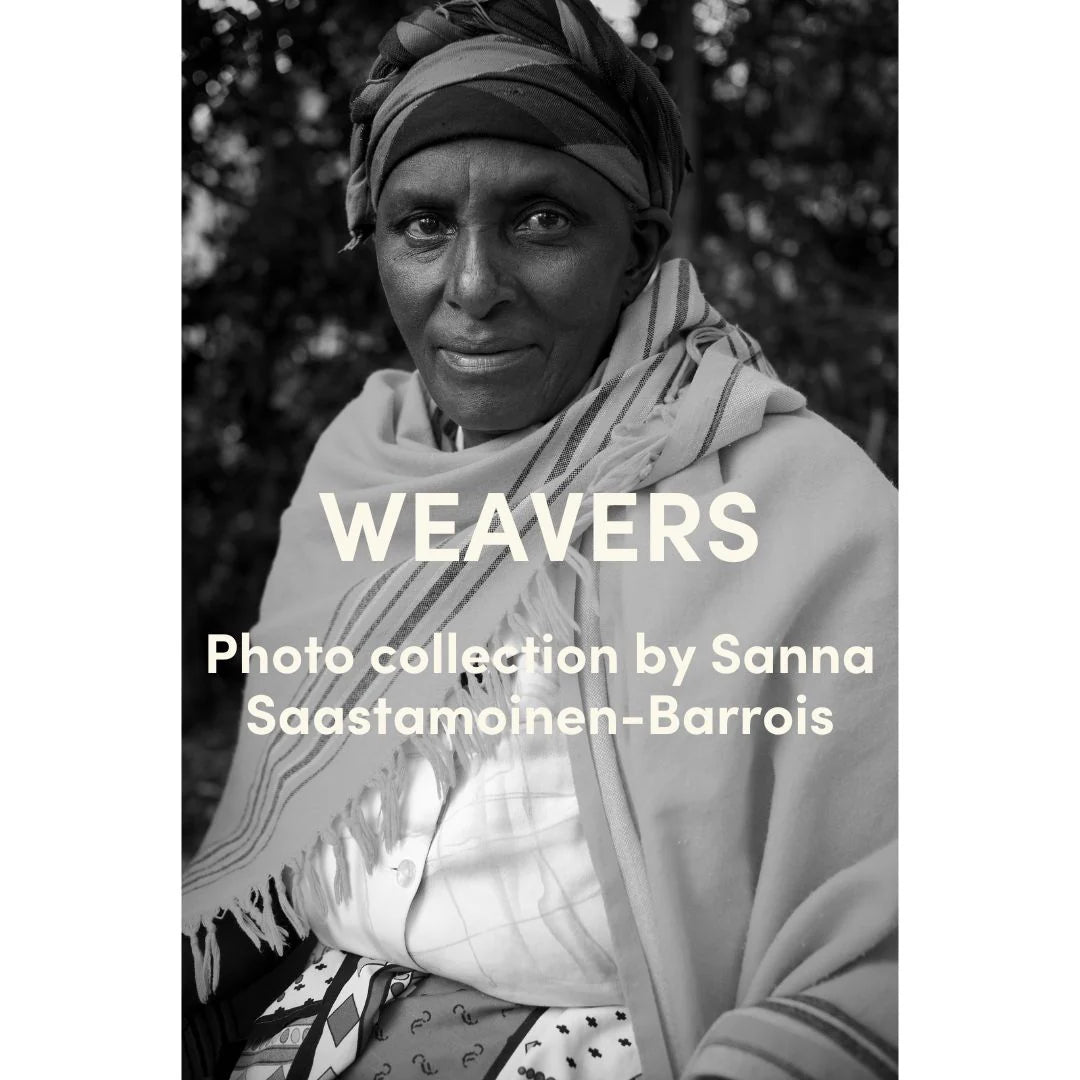
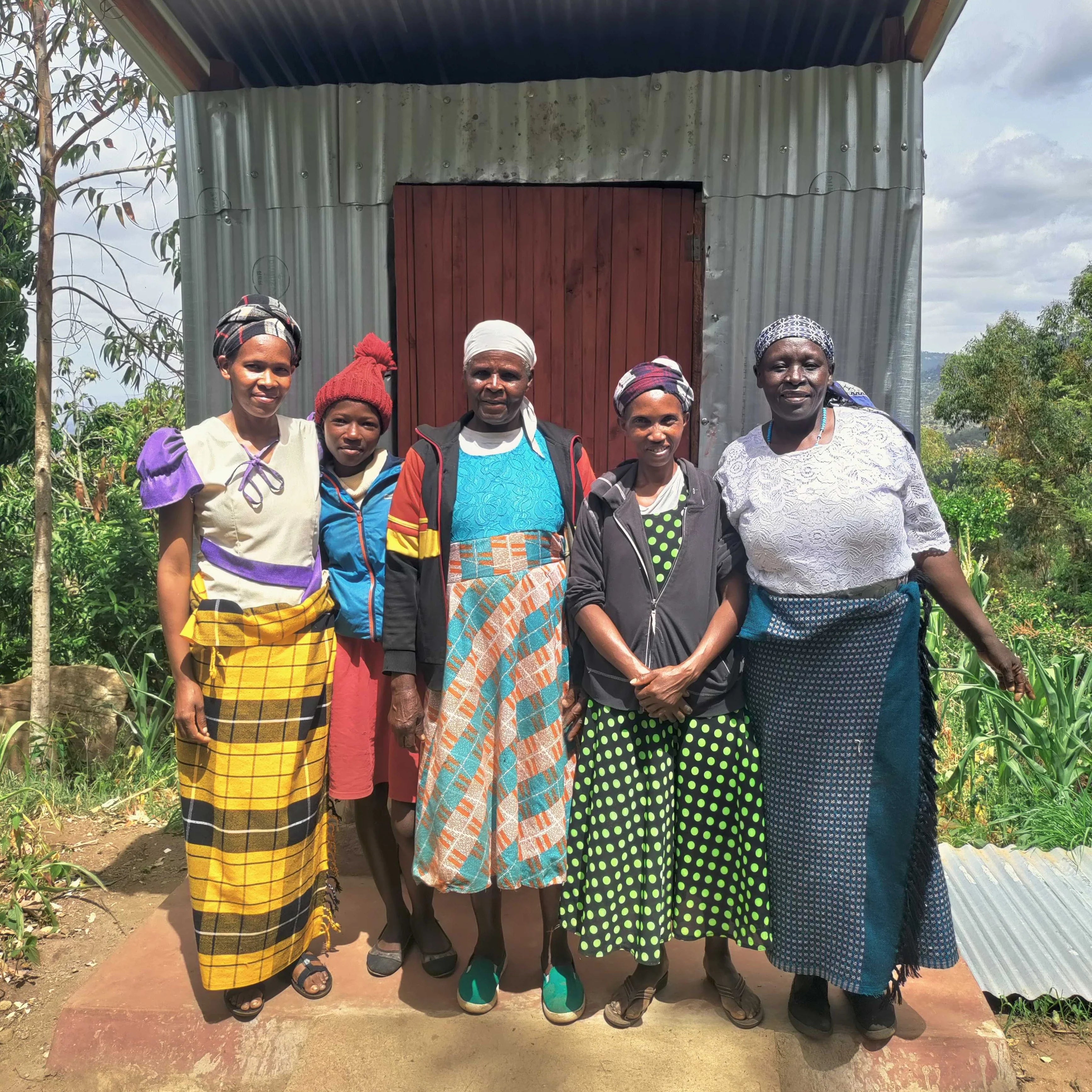
Weaving a bag or basket is not assembly-line work; it is a focused and communal activity. Artisans often work in groups, sharing stories and supporting one another. This sense of community and pride in one’s work is reflected in the final result—a bag made not just by hand, but from the heart.
When an artisan finally signs their finished product, they are not just marking it as complete. They are giving it a piece of their own story. It is a promise of quality and a genuine connection that crosses continents. When you carry this bag, you aren't just carrying your belongings; you are carrying a story of skill, tradition, and fair work.