



Authors: Jacinta Musyoki, Elina Sipilä, Anita Lintula

At 73, Alice Mueni Mutisya from Kyanziu village in Tulimani Ward has spent much of her life farming. She began in the 1980s after getting married, encouraged by her parents-in-law, who believed strongly in agriculture and even supported her studies in the field.
Farming has remained central to her life. But in recent years, it has become harder. Like many smallholder farmers, Alice has faced limited access to seedlings and fertiliser, a lack of money for labour and land preparation, and increasingly unpredictable rainfall.
Learning new ways to adapt
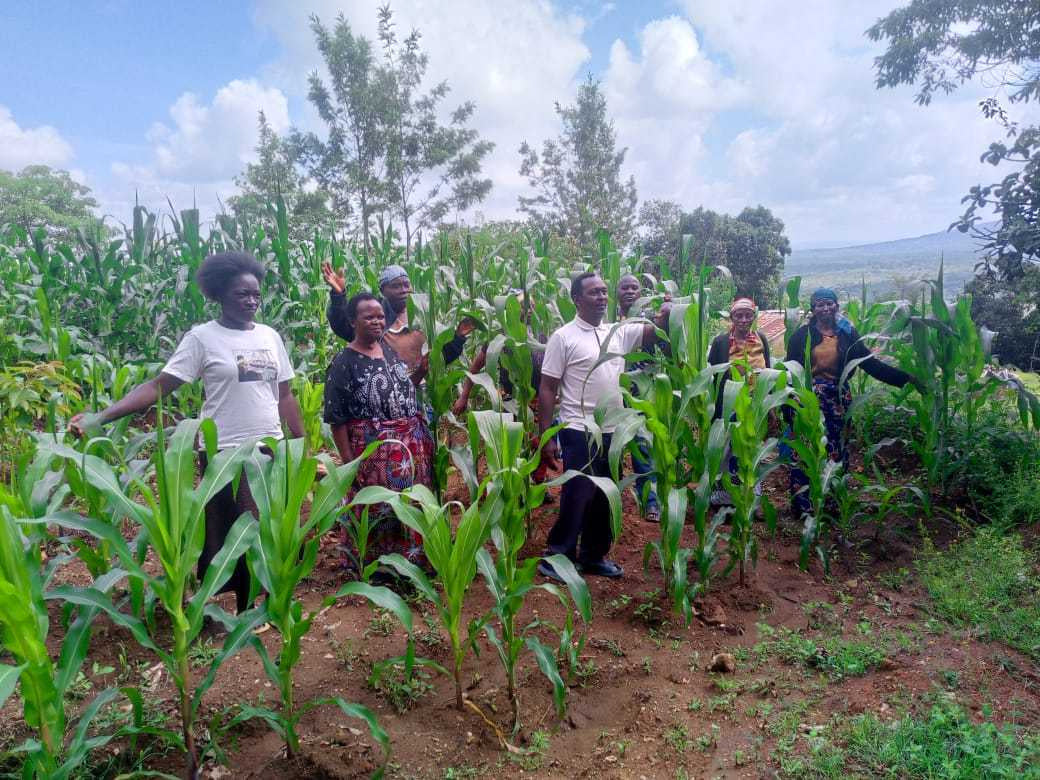
Alice heard about climate-smart agriculture through a neighbour and joined the Kyanziu Farmer Field School to learn more. There, farmers build knowledge together through training and practical fieldwork.
“Since I have always had a passion for agriculture, I decided to join and learn,” she says.
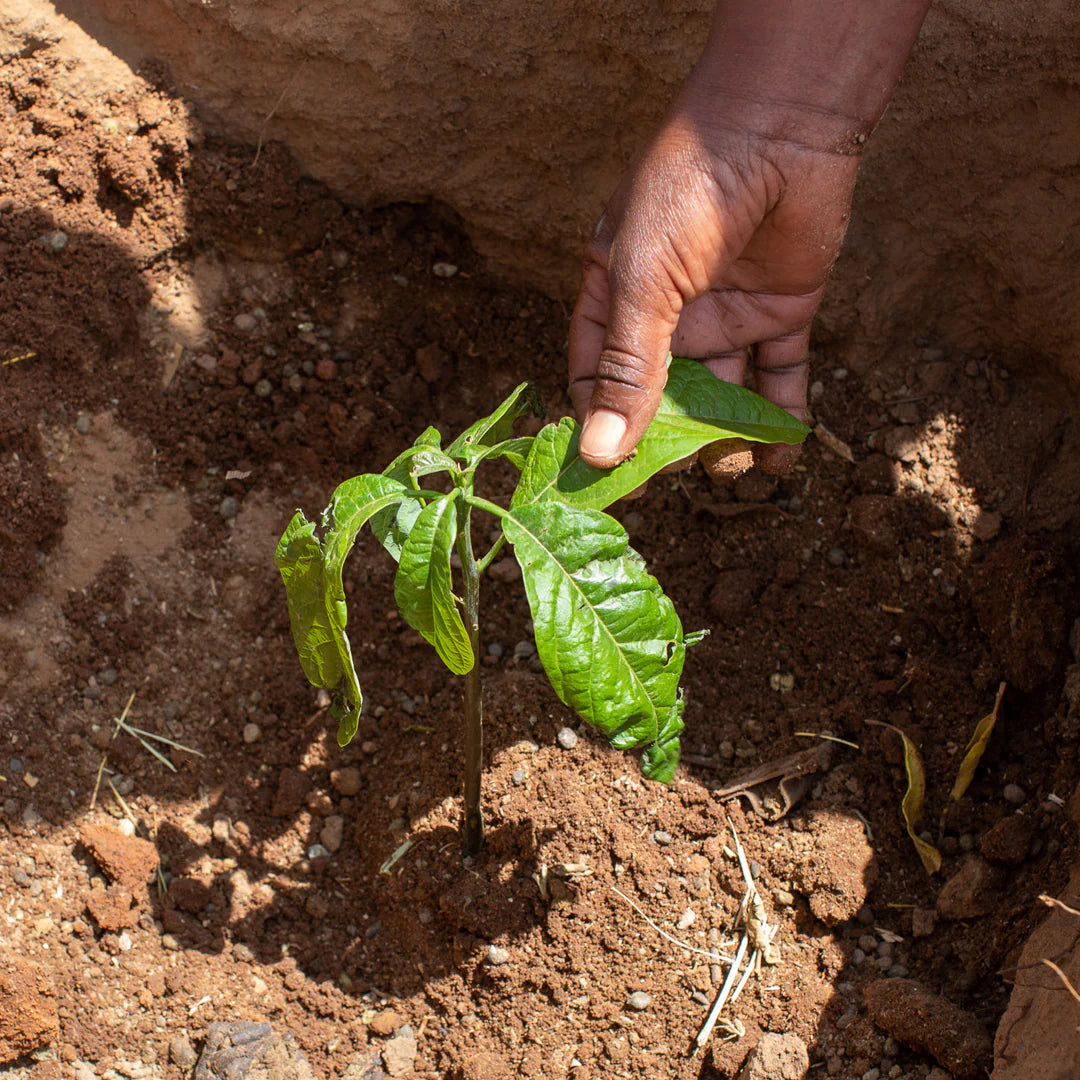
Through the Farmer Field School, Alice learned techniques such as zai pits, intercropping, crop rotation, early planting, proper spacing, and better pest and disease management. She began applying these practices on her own farm, and the change was clear: in one season, her maize harvest increased from 8 bags to 20 bags.
“I have never harvested like I have this season,” Alice says proudly.
The improved harvest has opened new possibilities, including renovating her home and buying a water tank.

More than farming methods
Alice’s story also reflects a wider reality. In many rural communities, women carry a heavy share of both farm work and household responsibilities, often without equal access to land, income, or decision-making power. 
“Many women do not have the right to own land. Others lack finances to hire labour, yet they also carry many family responsibilities,” Alice explains.
For women farmers, climate-smart agriculture is not only about what happens in the field. It is also about knowledge, confidence, and a stronger voice in everyday decisions.
Through training on Gender Equality and Social Inclusion (GESI), Alice says she has learned the importance of involving others more actively in household and farm decisions. She now ensures that members of her household are involved in discussions related to farm management.
Today, she plays an active role in decisions within her household, including seed selection, land preparation, crop management, and hiring labour.
Sharing knowledge and looking ahead
Alice’s farm has drawn the attention of neighbours who want to understand how she improved her harvest. She has shared what she has learned and encouraged others to try similar practices.
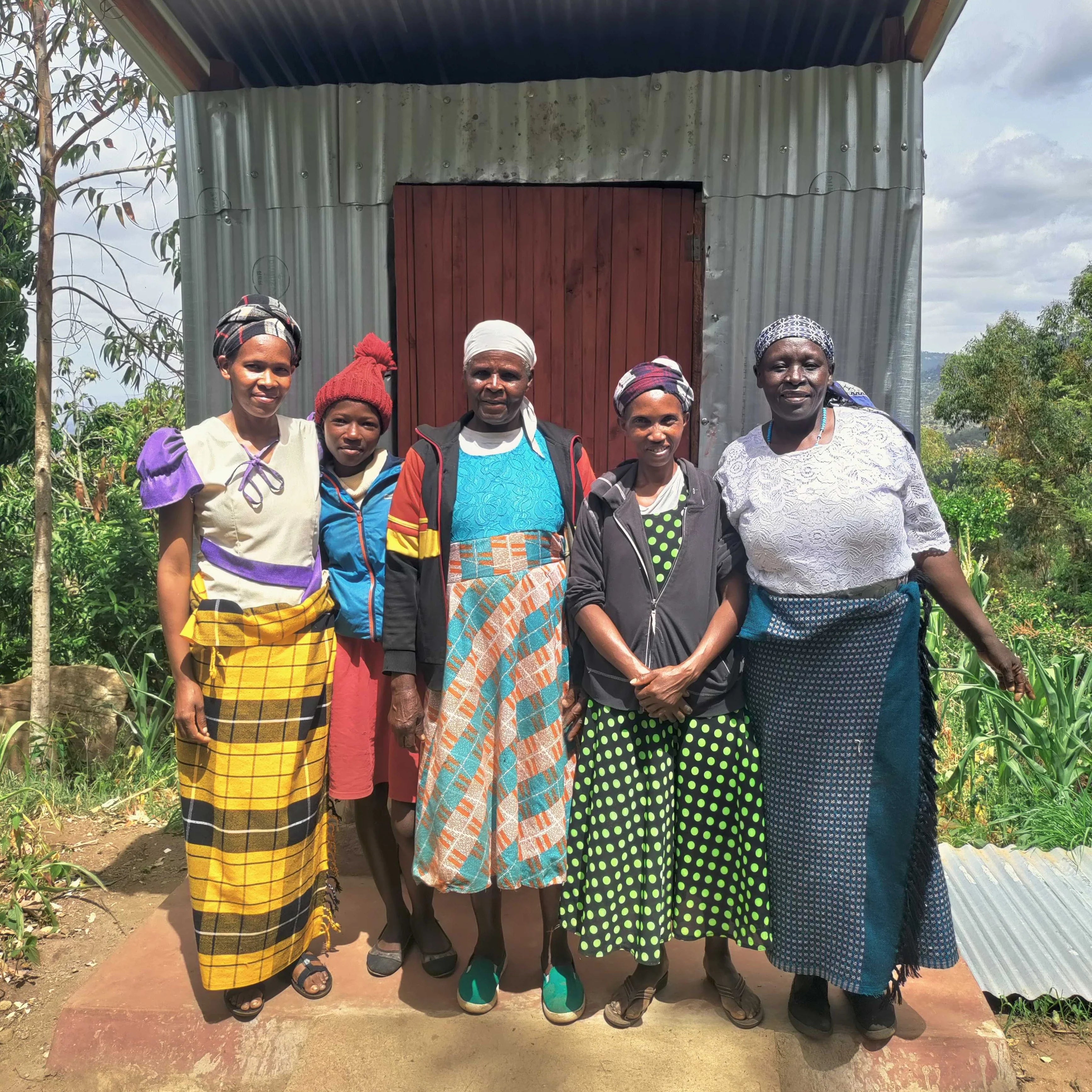
“Many neighbours asked how I managed to improve my harvest. I shared the knowledge and climate-smart practices I learned,” she says. So far, at least five farmers in her community have started trying similar climate-smart agriculture practices after learning from her.
Her experience is a reminder that change often spreads from one farmer to another. When women farmers gain new skills and confidence, they can also become important sources of knowledge in their communities.
“Never ignore opportunities to learn. Every project brings knowledge that can change your life. Climate-smart agriculture is the way to go,” Alice says.
Looking ahead, Alice hopes to continue developing her farm, plant more fruit trees on her farm, and keep learning new ways to grow. Her journey shows how women farmers are building resilience in the face of climate and economic challenges — and how that resilience can grow far beyond one farm.