


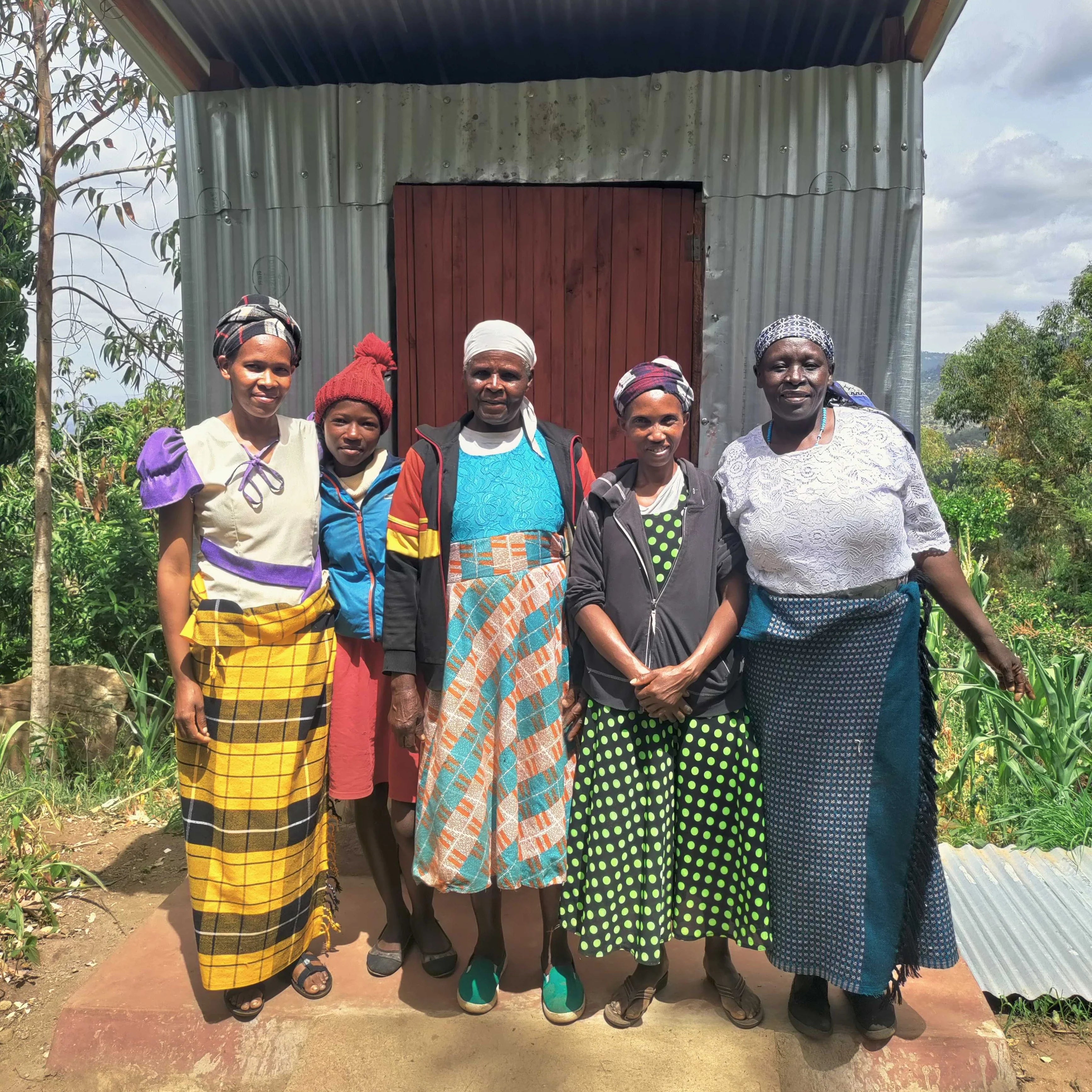
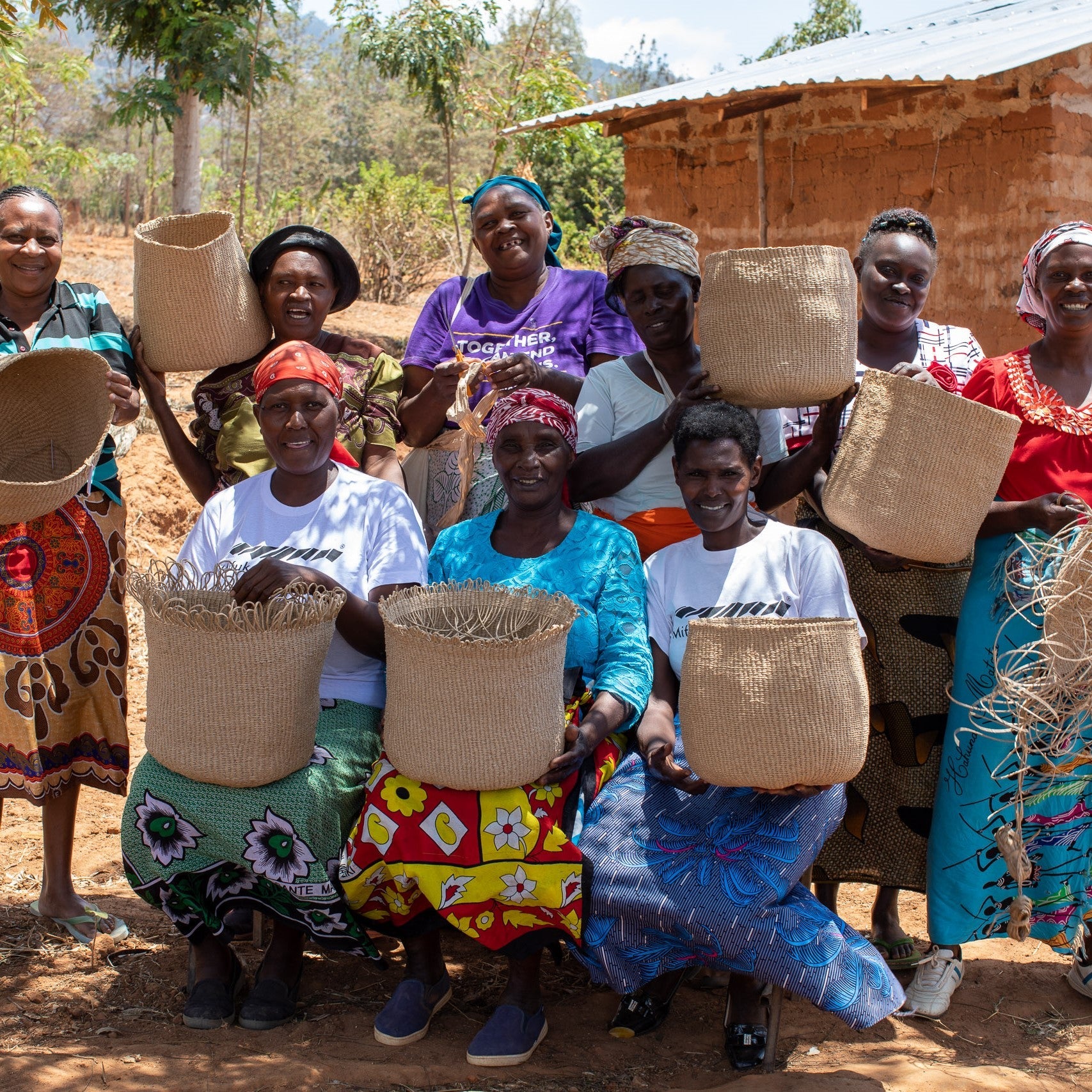
Most of Mifuko baskets come from Kenya: weaving Kiondo baskets is a traditional Kenyan handicraft. In addition, we have operations in other African countries. Milulu grass baskets are woven by hand in the Iringa region in Tanzania, and elephant grass baskets in the Bolgatonga region of Ghana.
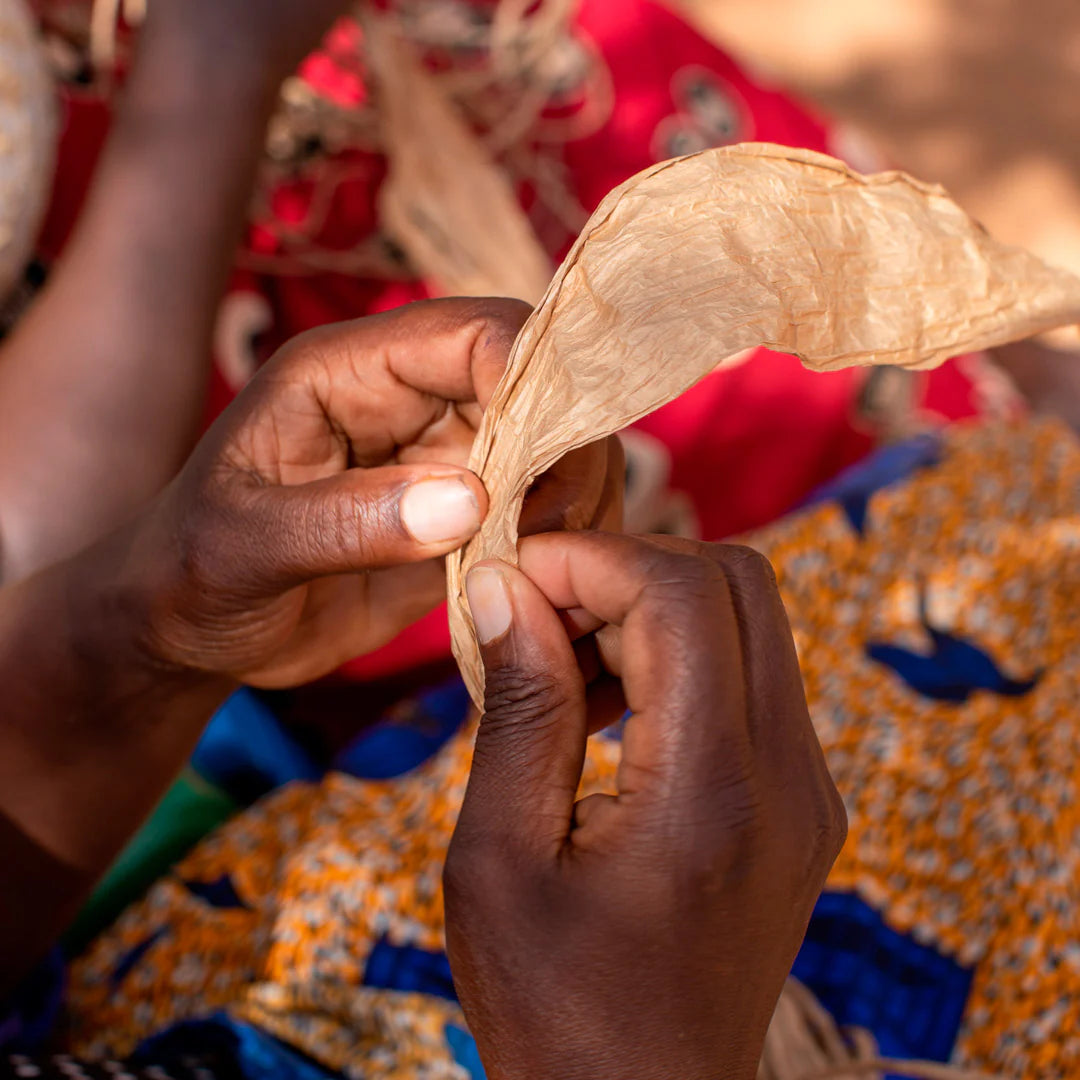
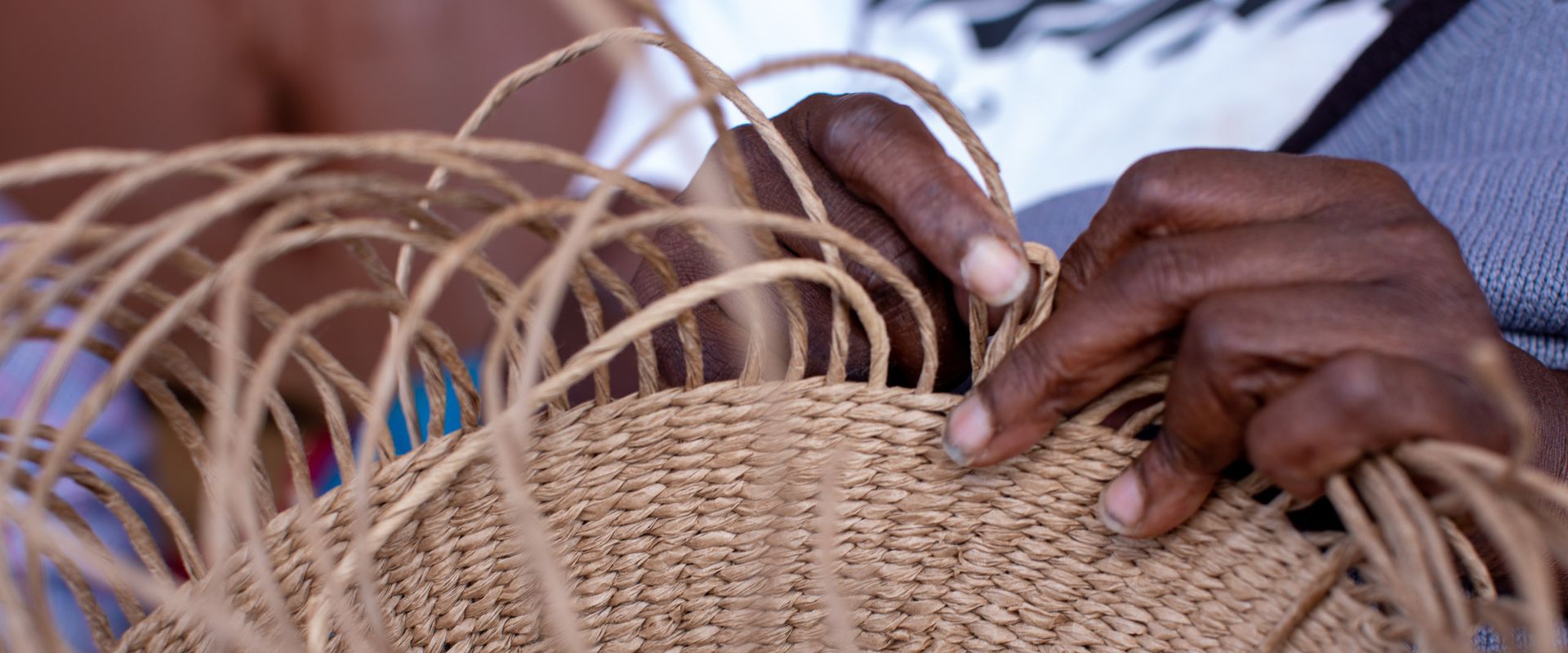
The making of a Kiondo basket begins when an artisan woman in rural Kenya crosses two long strands of twine, or warp thread, with two other long strands. Using a traditional weaving technique called lash weave, she weaves two strands over the other pair. Warp threads are added along the way, using from 50 to 100 in a basket. It takes between half a day to two days for the artisan to weave a basket. When it is finished, the surface is trimmed with scissors and the artisan’s name added to the product tag. The basket can start its journey from Kenya to Finland and from there to resellers and customers all over the world.
How a Kiondo basket is made
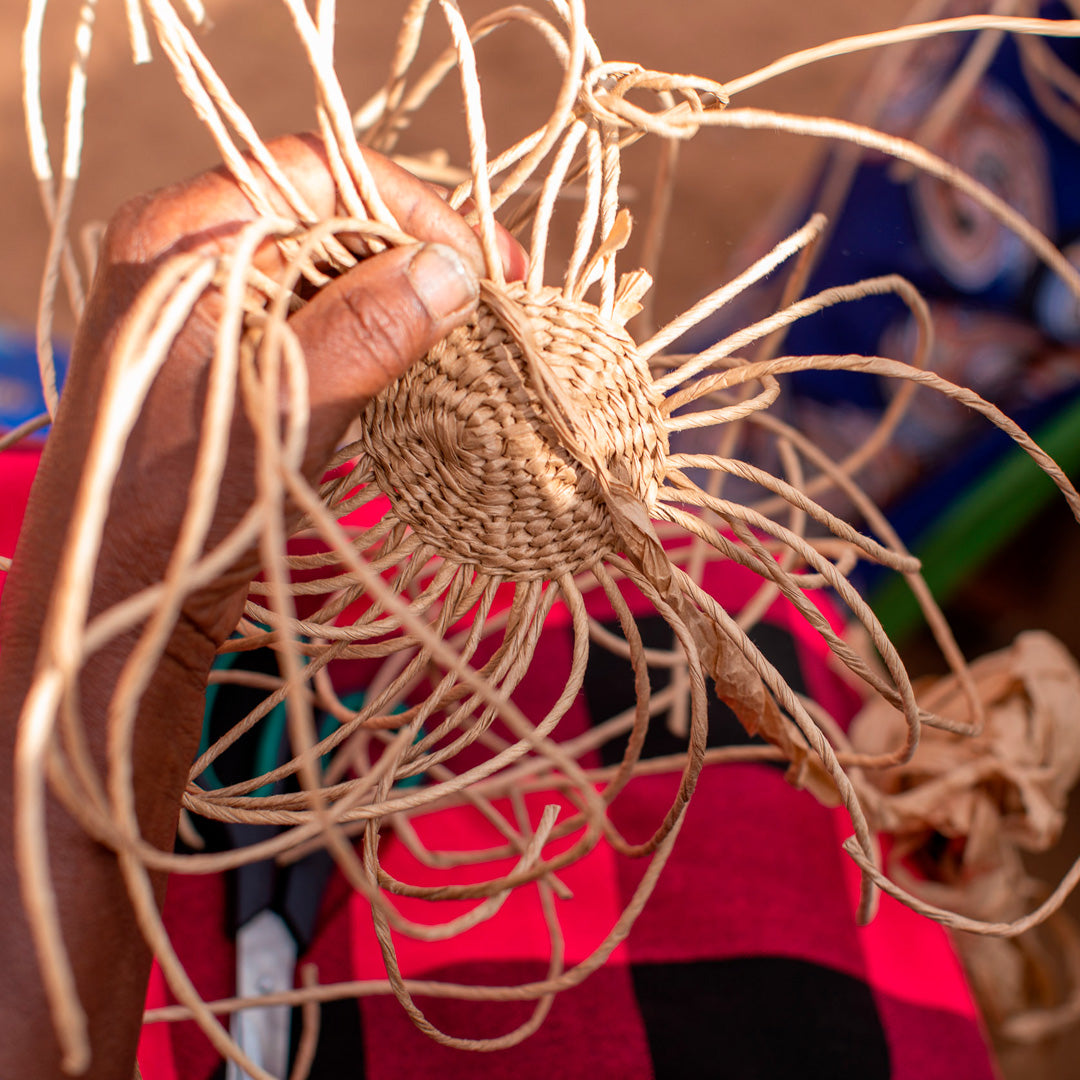
Weaving starts by crossing two long strands of twine with two other long strands.
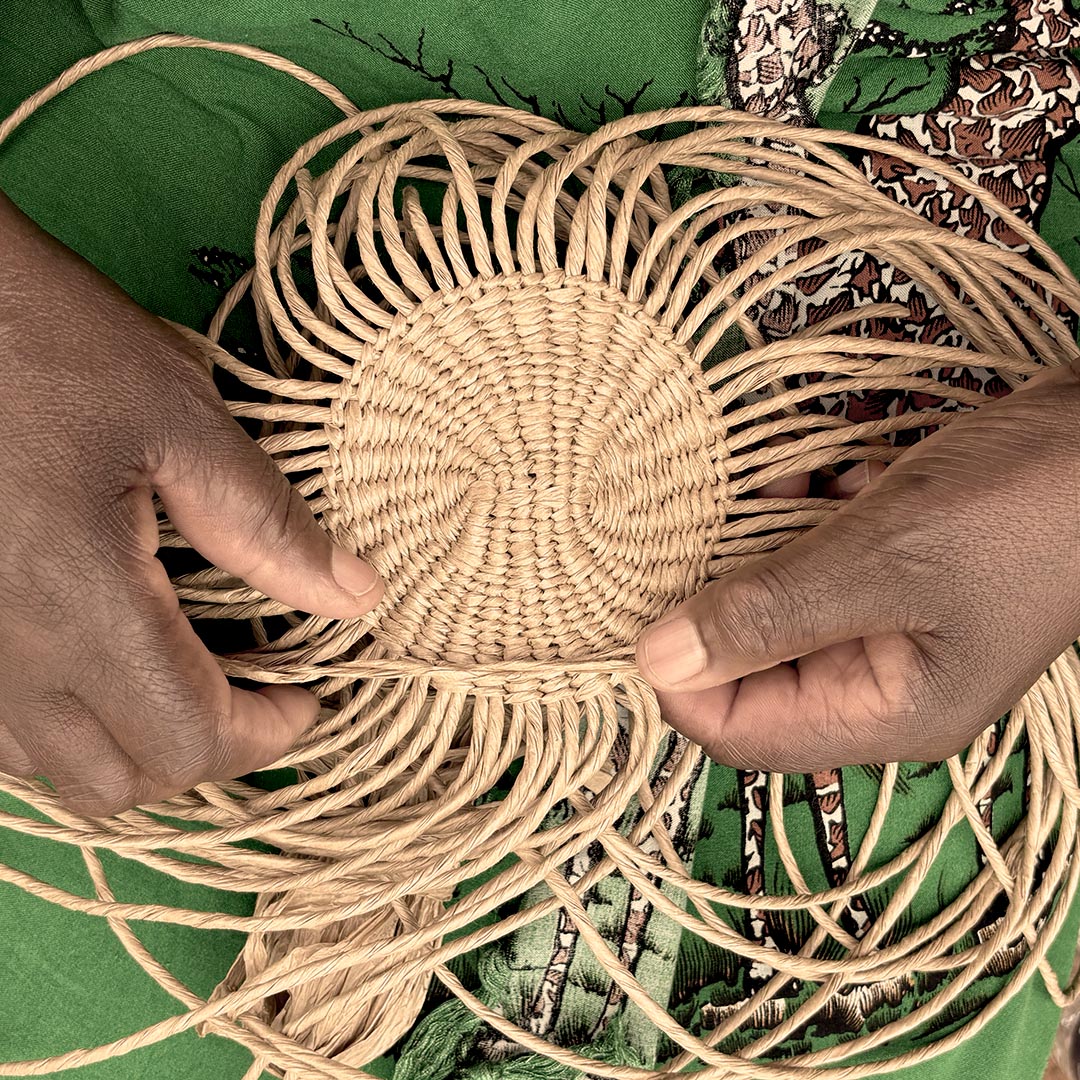
It takes between half a day to two days for the artisan to weave a basket.
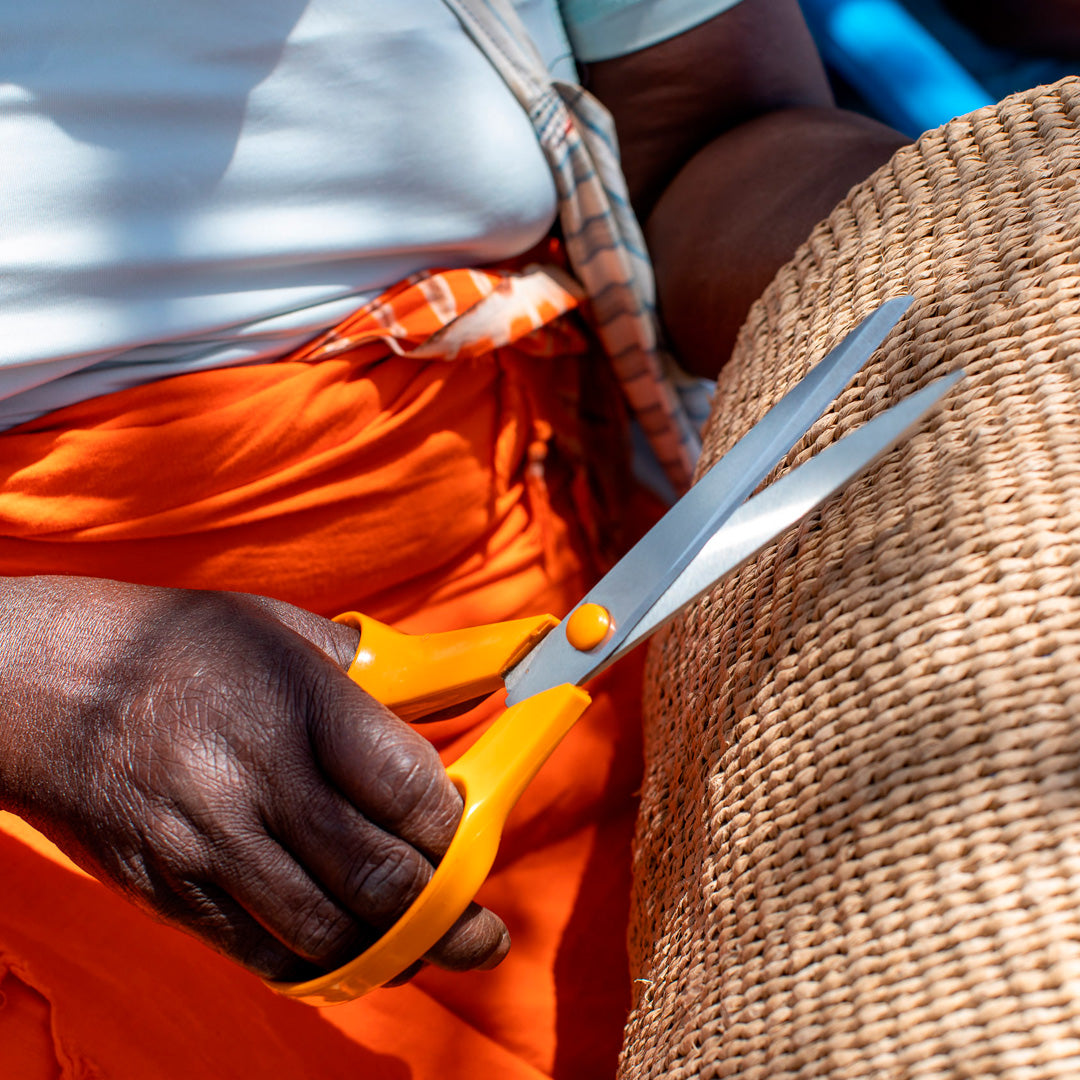
When the basket is complete, the surface is trimmed with scissors.
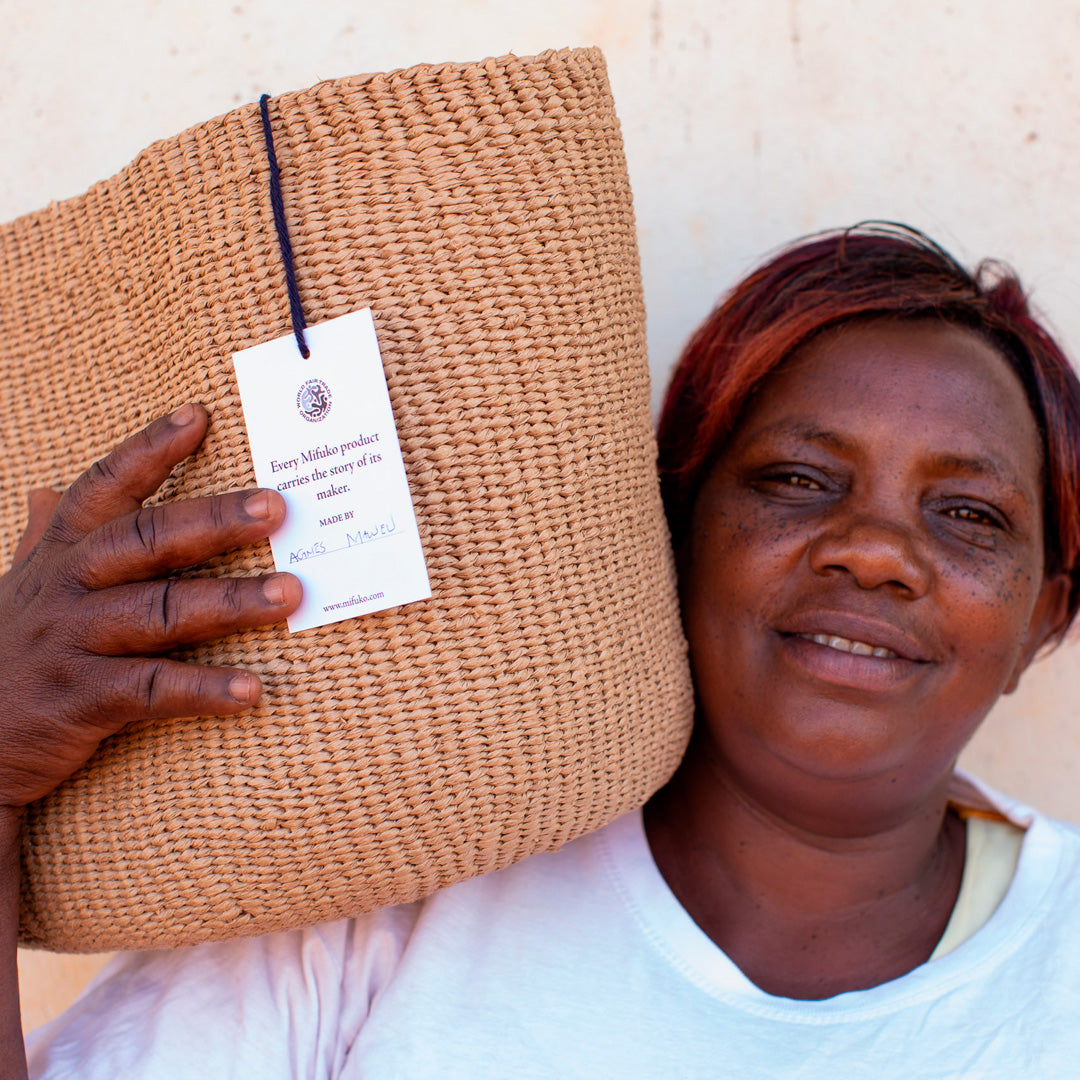
Finally, the artisan writes her name on the product tag.
Sustainable materials
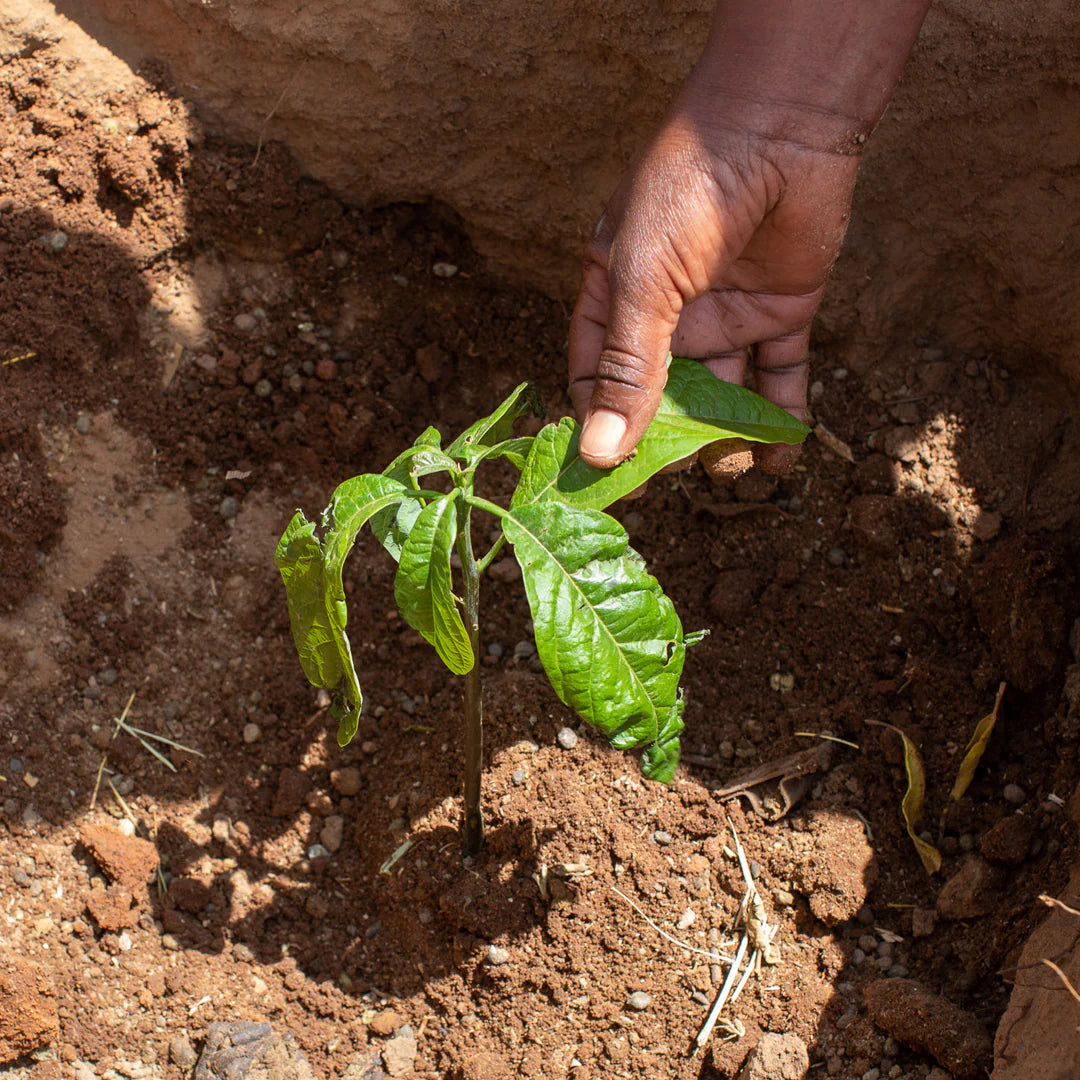
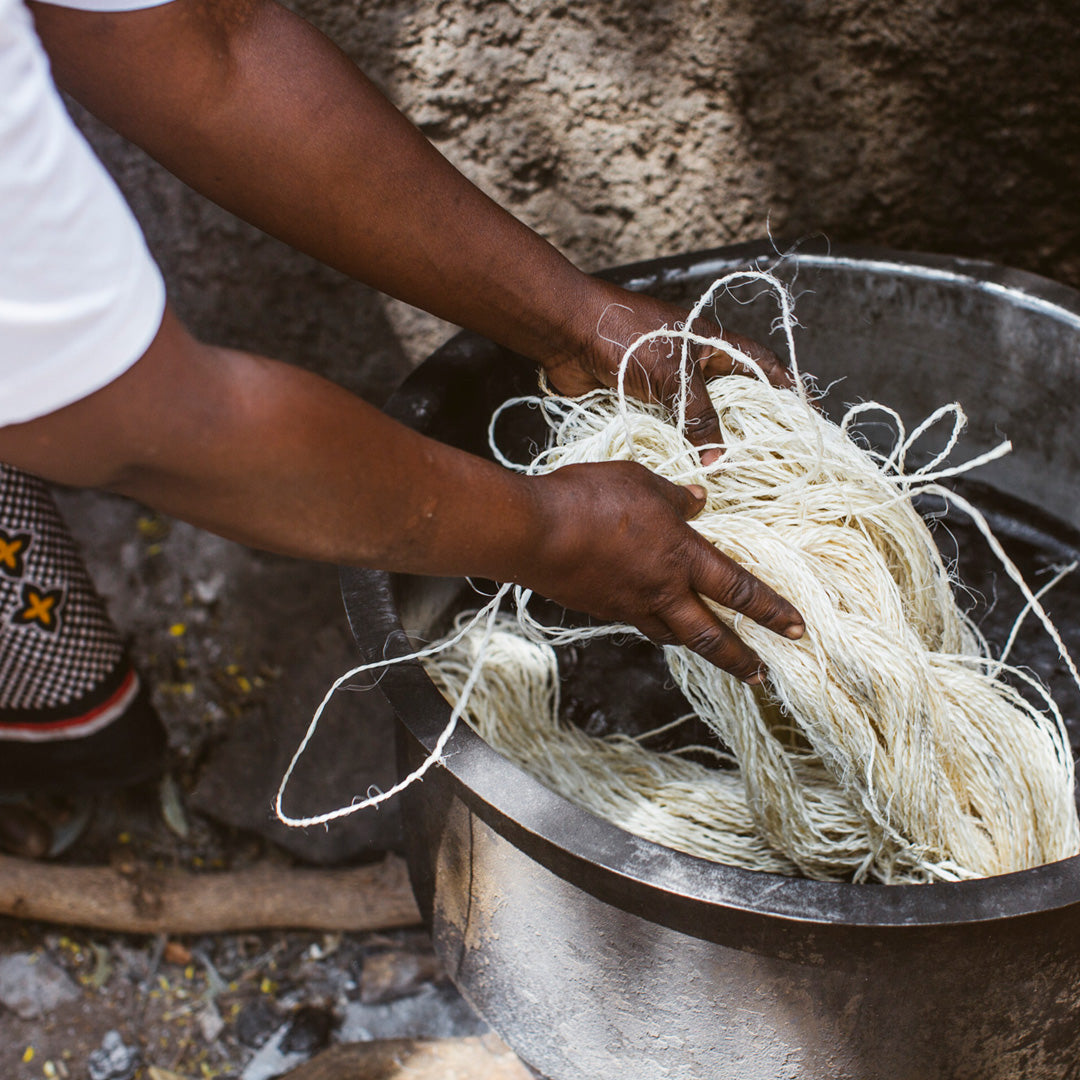
All Mifuko products are handmade from sustainable materials. The traditional basket material in Kenya is sisal, but for our Kiondo baskets we also use upcycled plastic, paper twine and repurposed wool yarn. In other basket models we use palm leaves, milulu grass and elephant grass. We work closely together with our material suppliers and artisans who make the products. It allows us to track and trace every step of the production process, from raw material suppliers to sales.
Read more about the materials we use here.
Care instructions
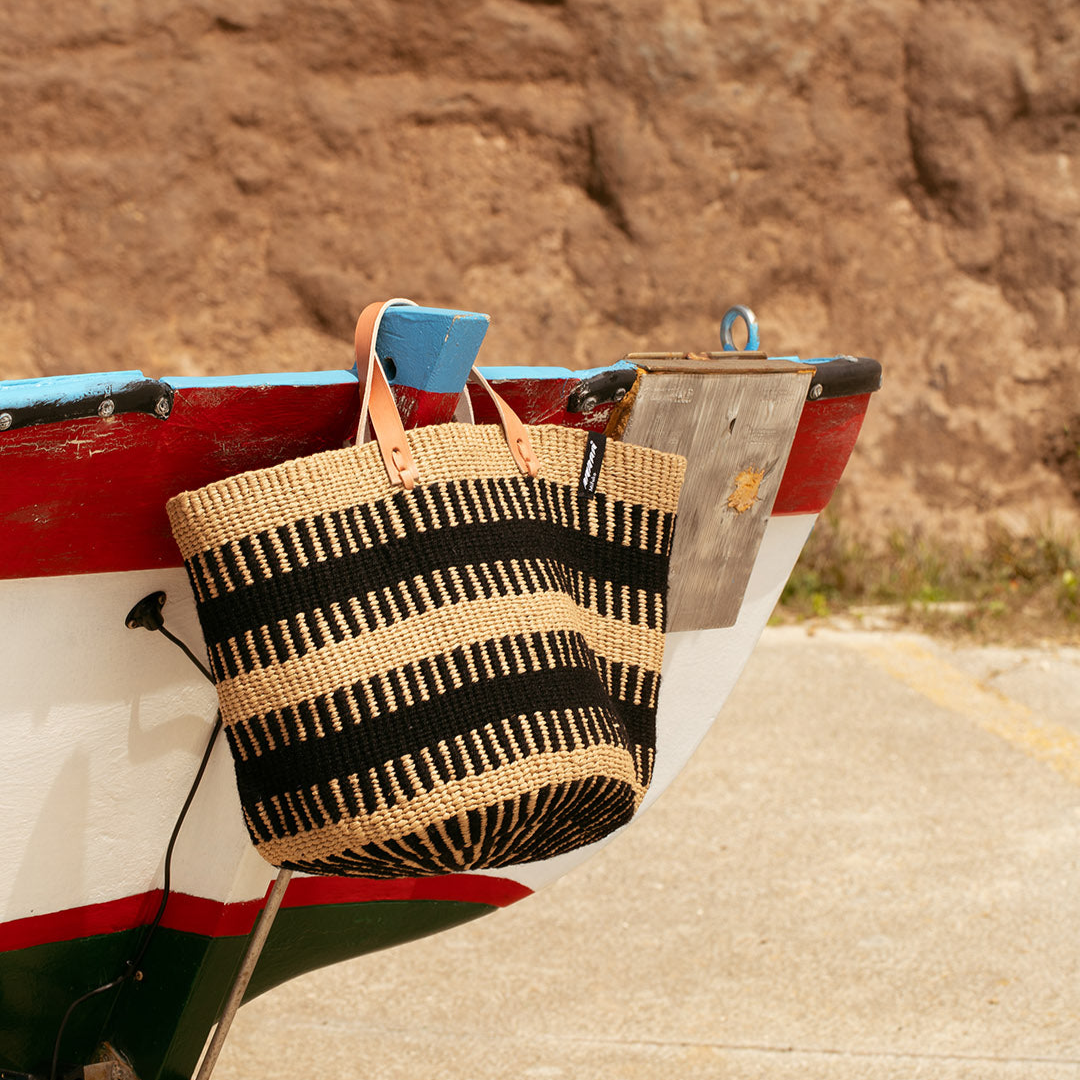
Mifuko's Kiondo baskets are folded for transport. You can shape the basket by spraying it with a little water and bending it by hand.
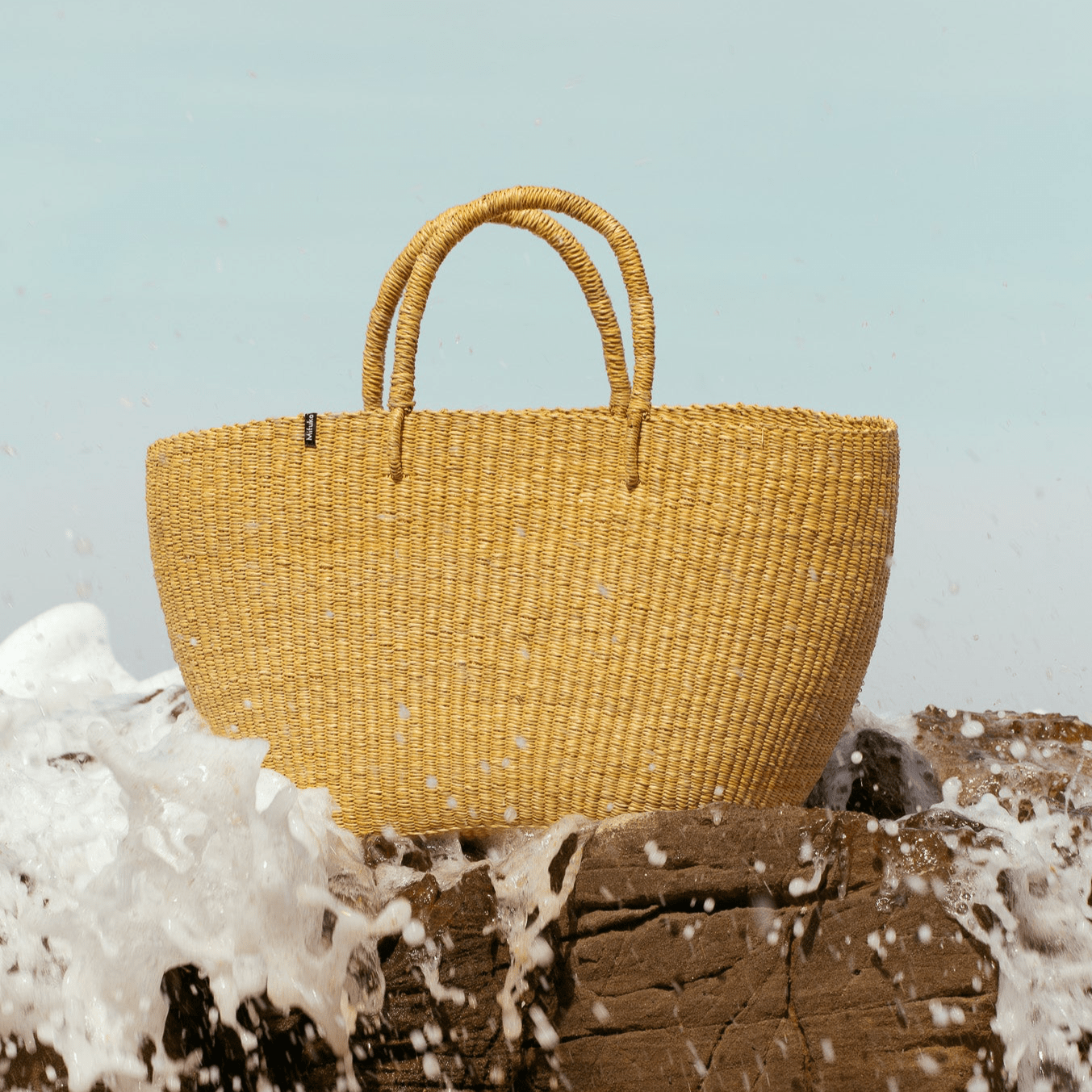
You can also use Kiondo baskets outdoors, as they can tolerate a little moisture. However, make sure that the basket is allowed to dry properly and is not wet all the time.
With the exception of plastic baskets, Kiondo baskets cannot be washed in water, but you can clean stains by gently dabbing with a damp cloth.
Read more about how to look after your Mifuko basket here.
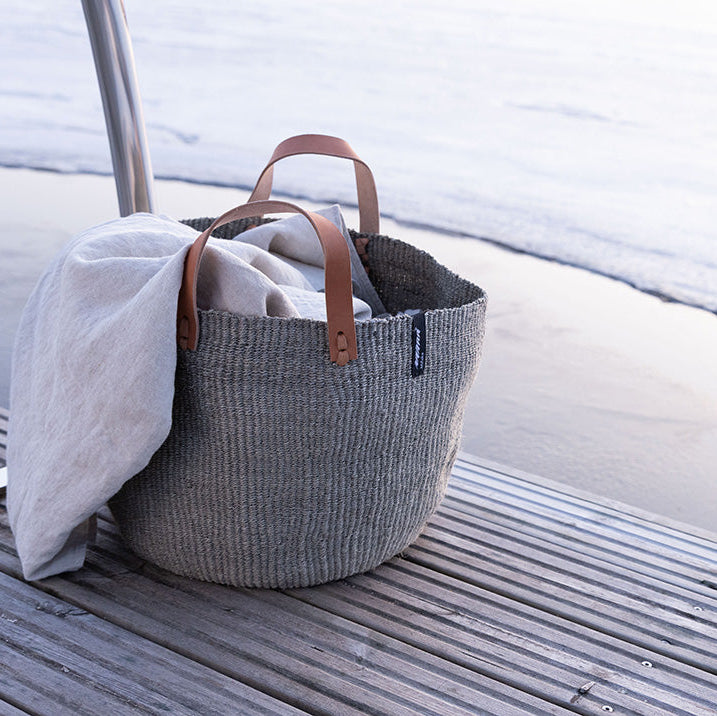
Our baskets are perfect for storing just about anything!
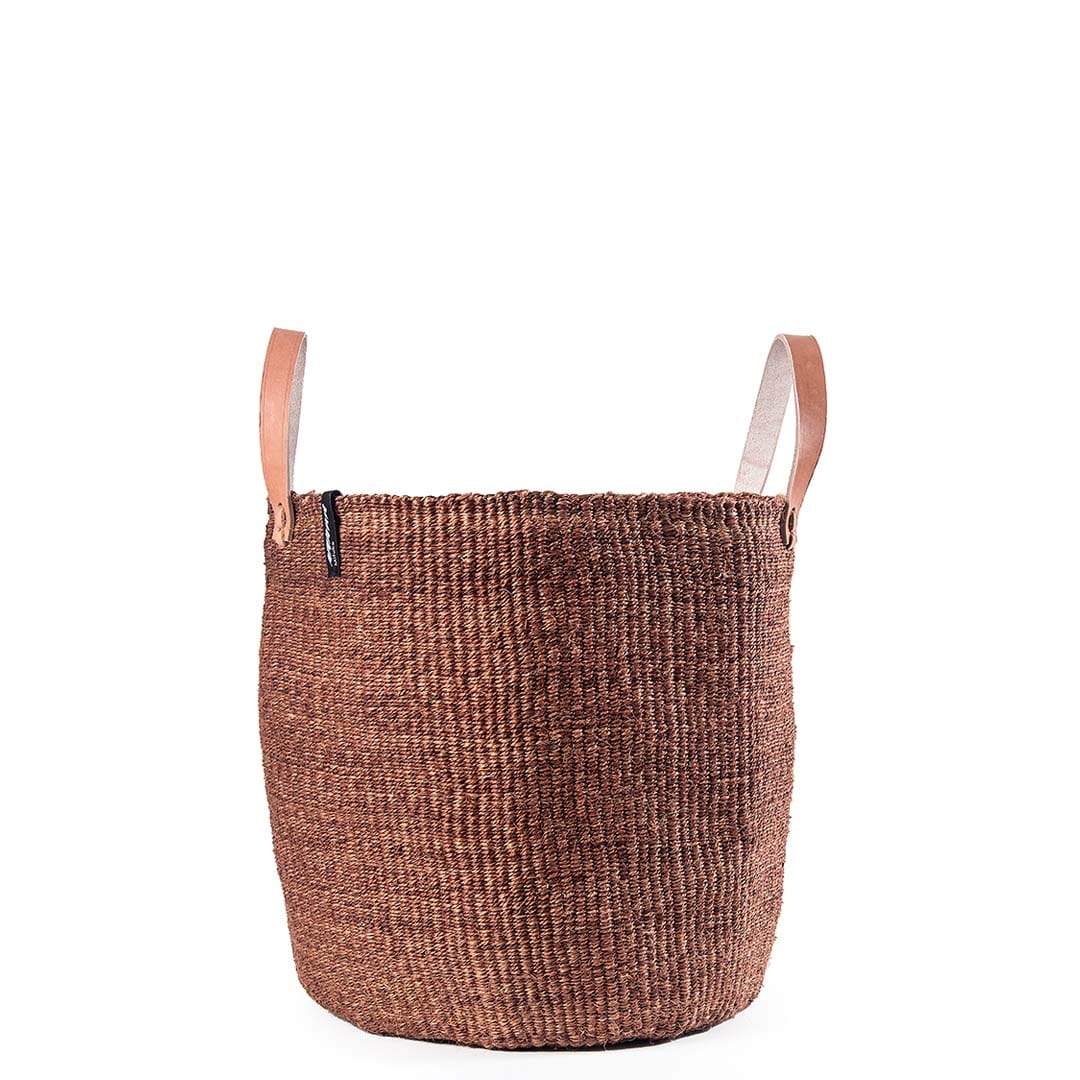
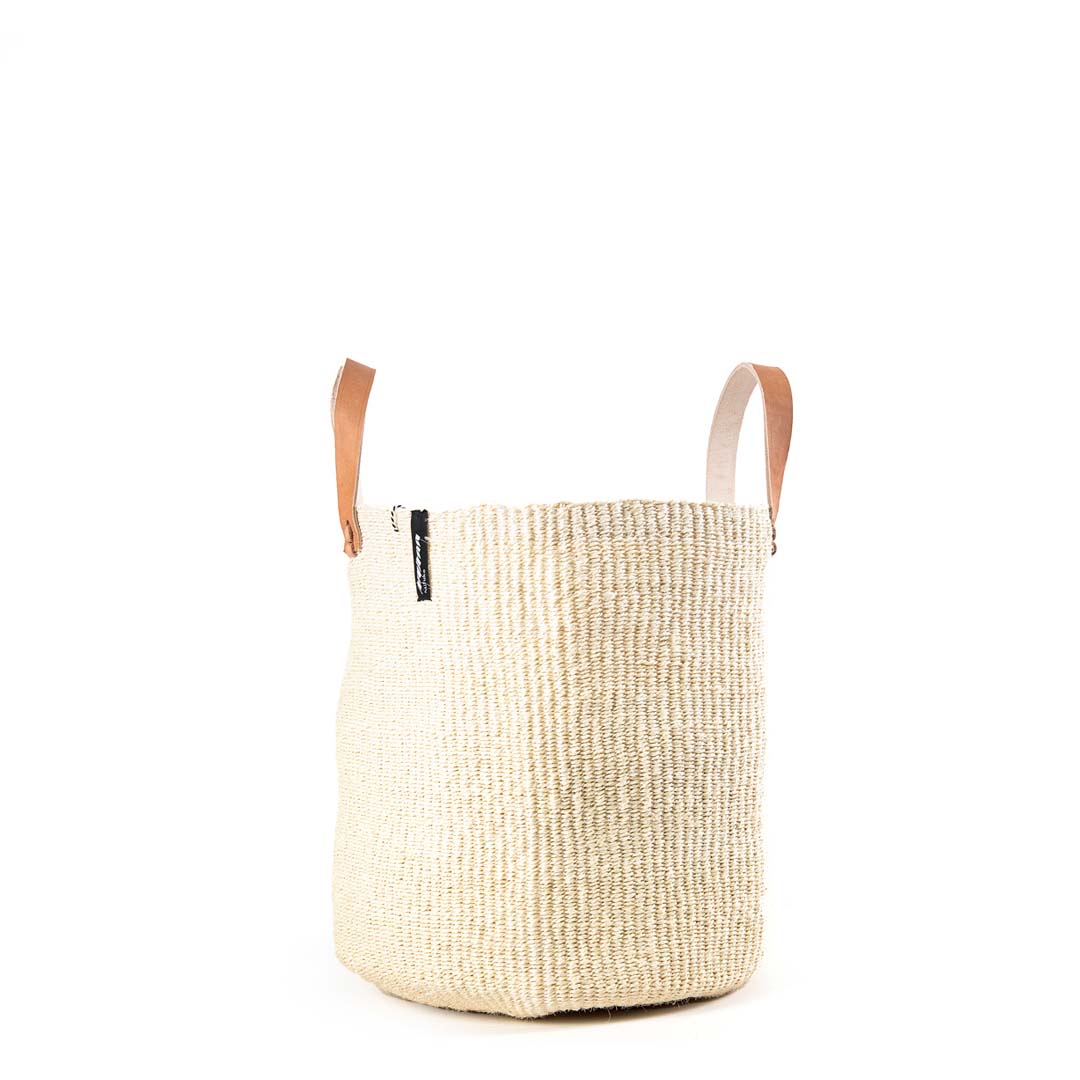
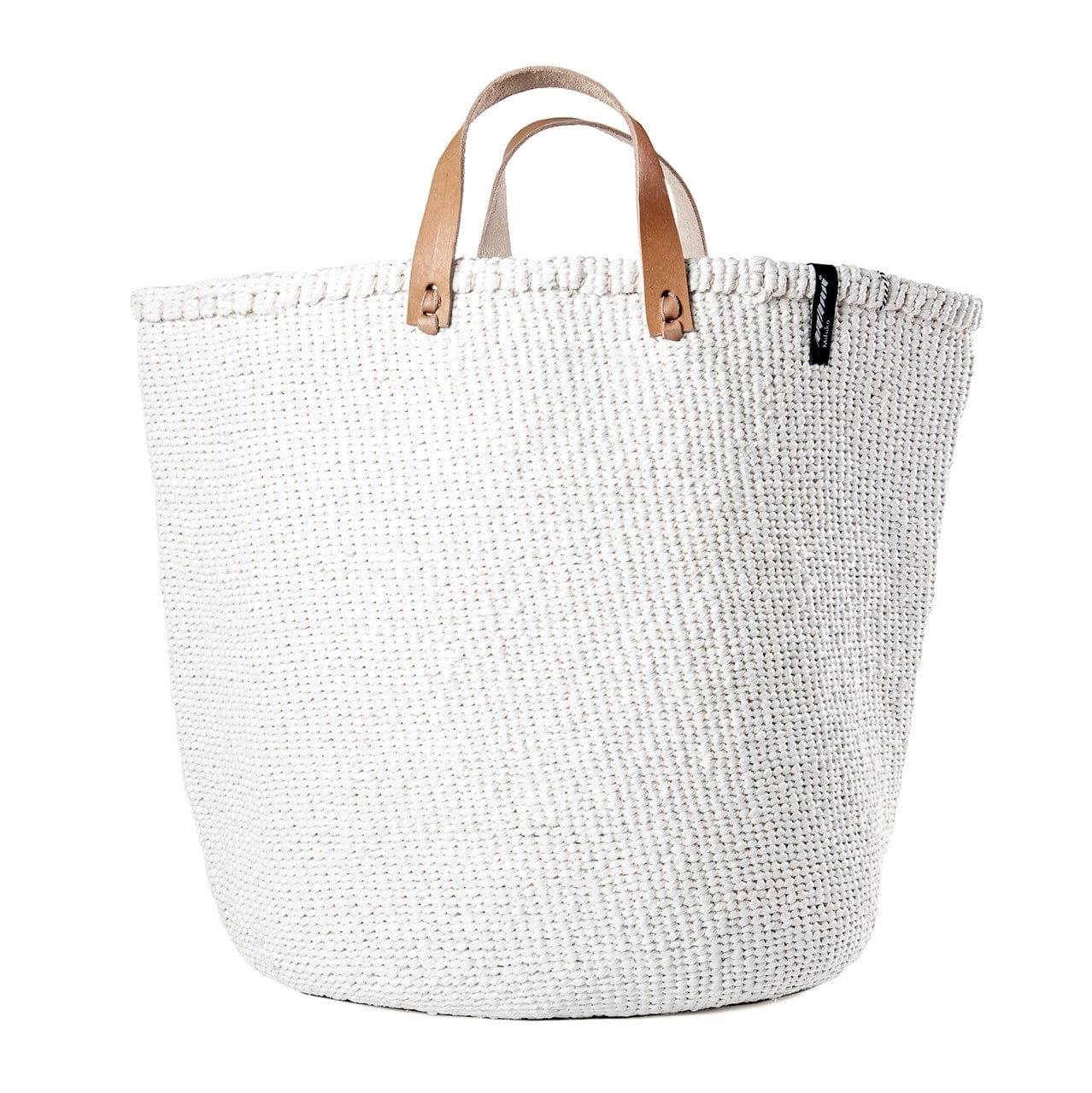
Mifuko baskets in come many sizes, materials and colours. Find you favourite now!
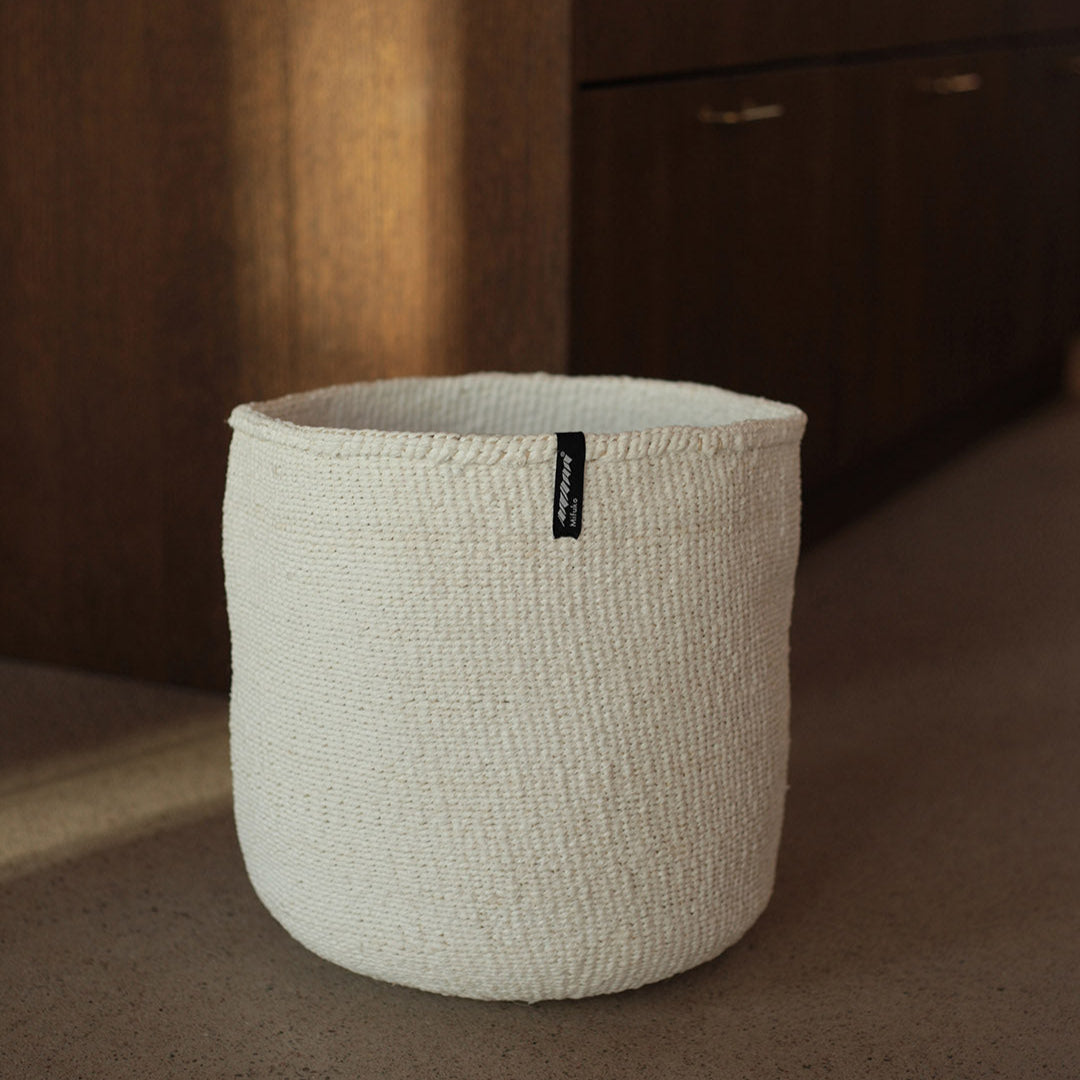
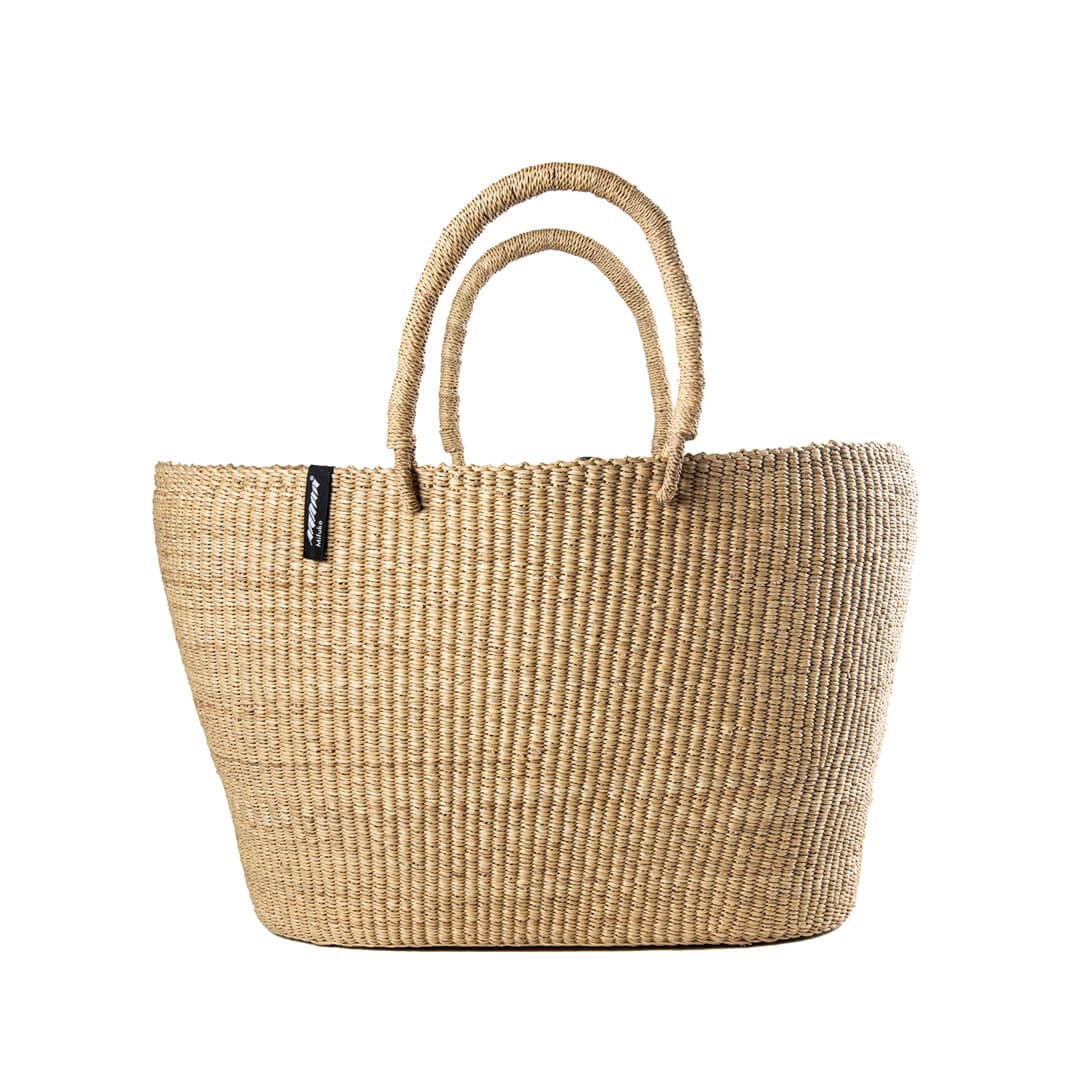
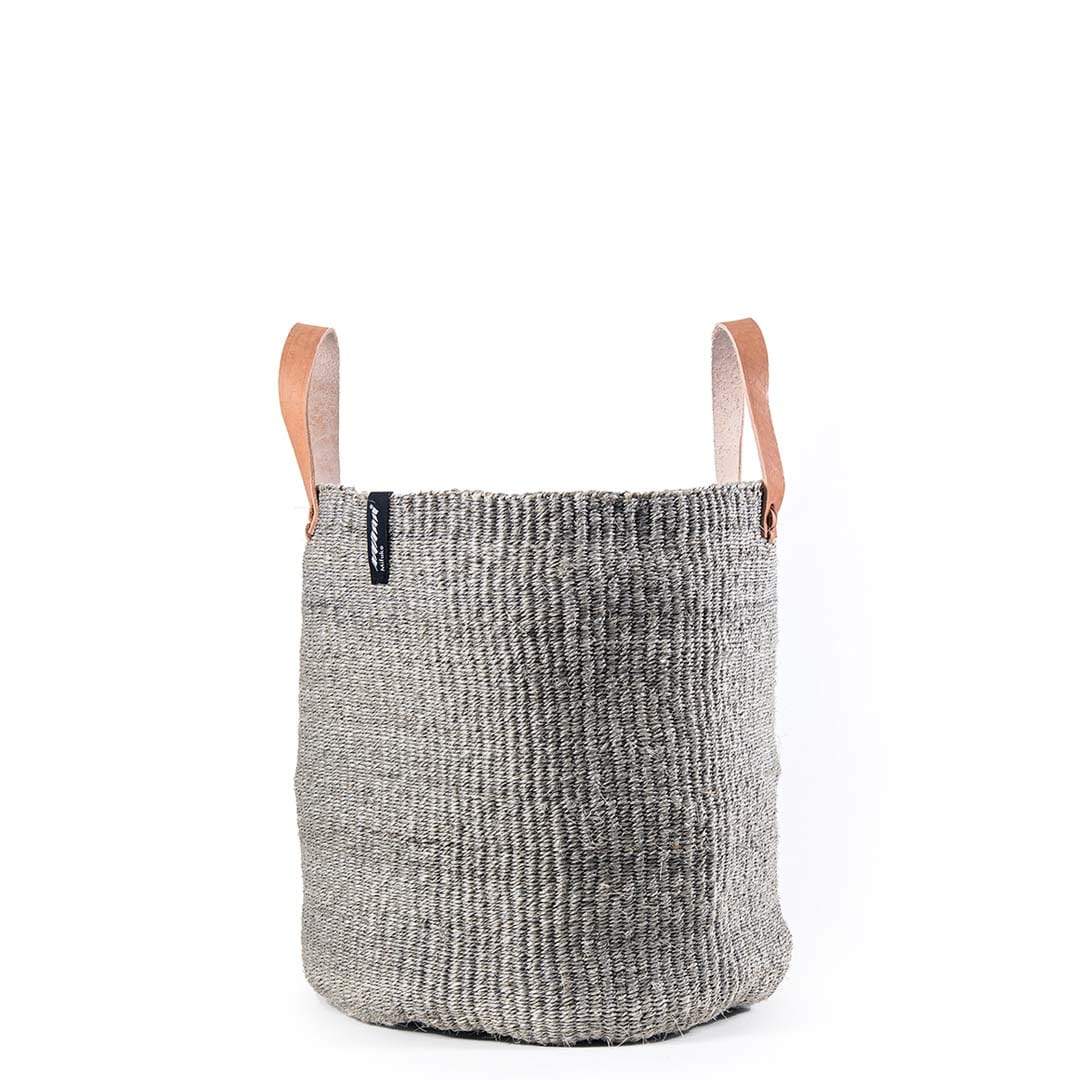
Medium baskets for home
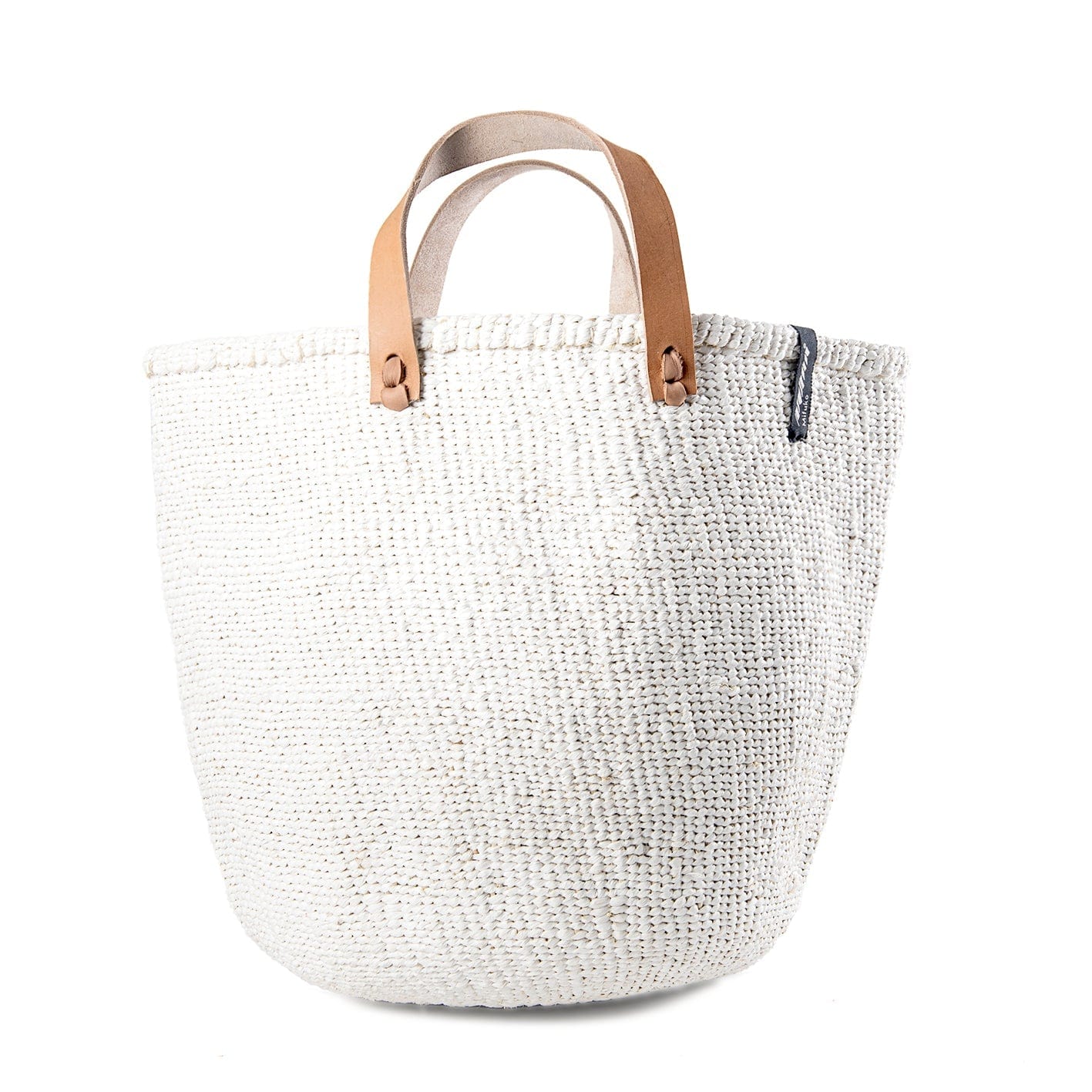

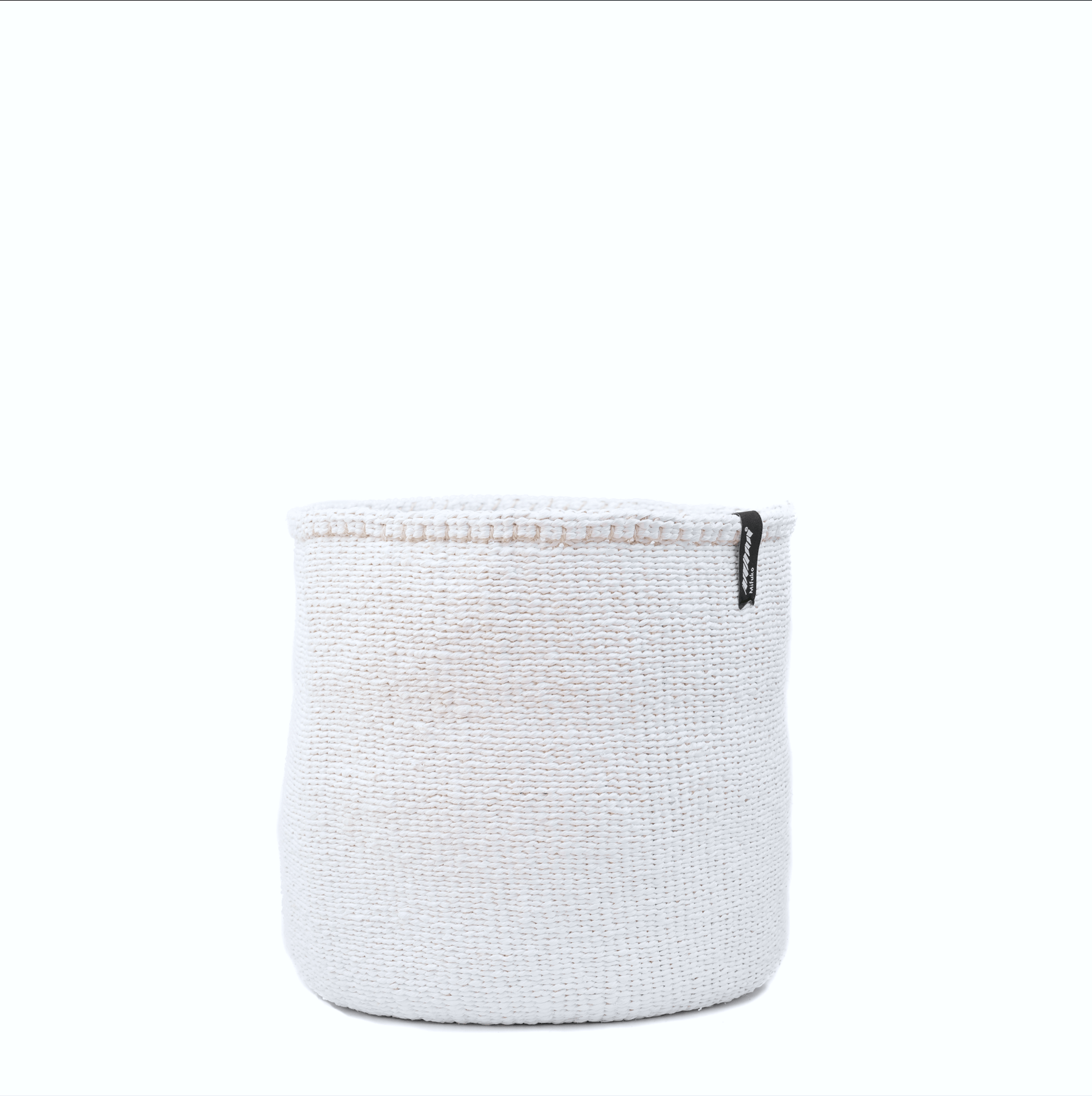



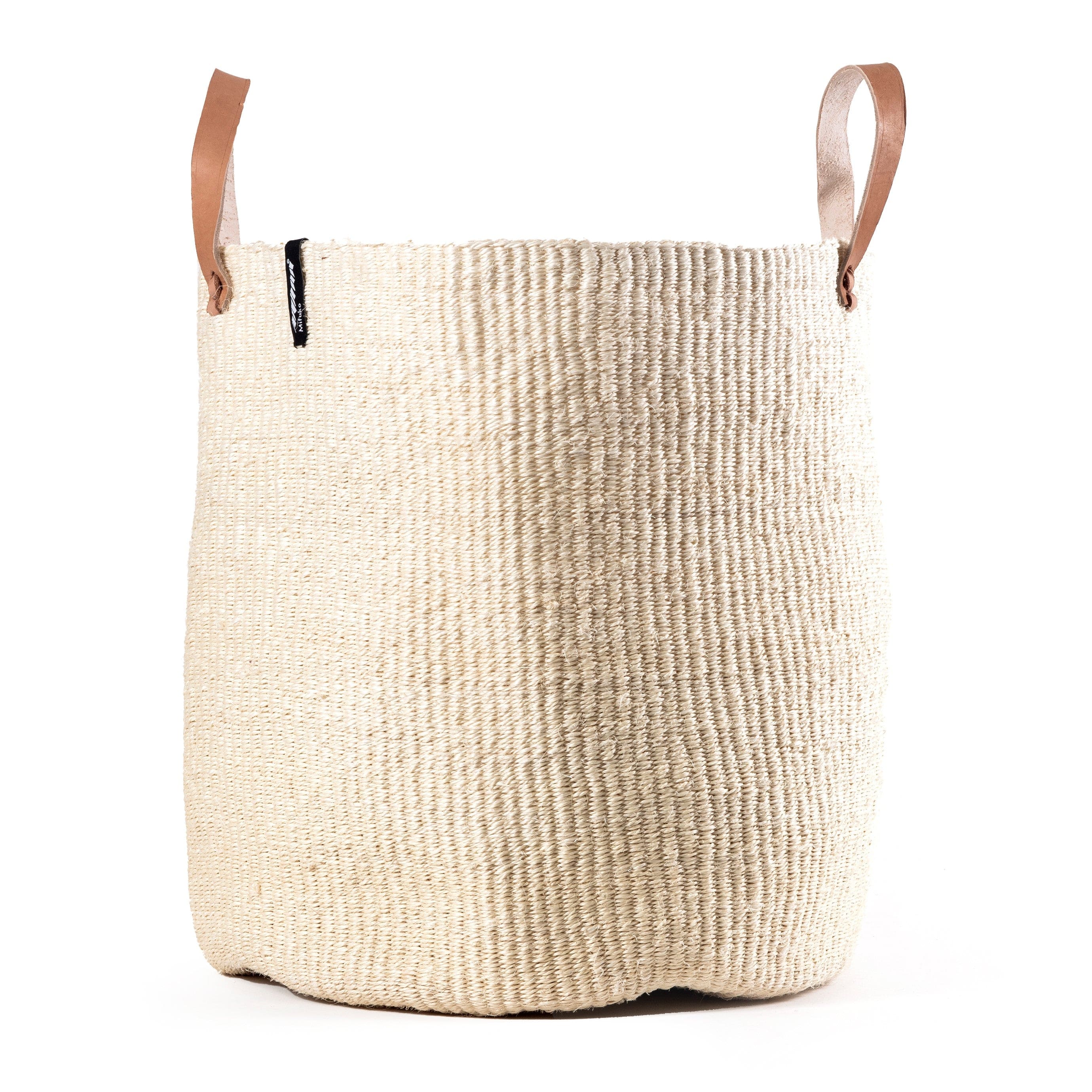

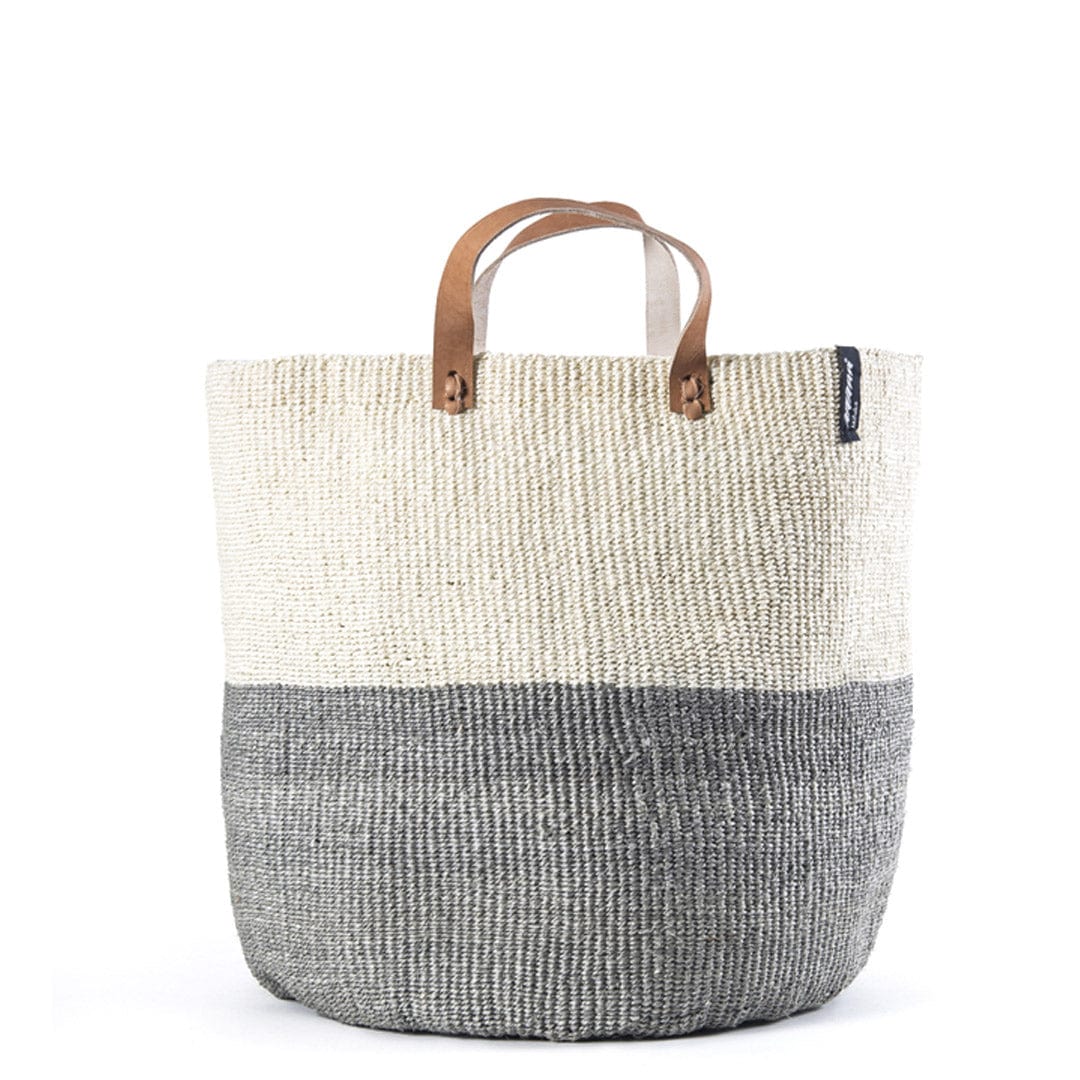
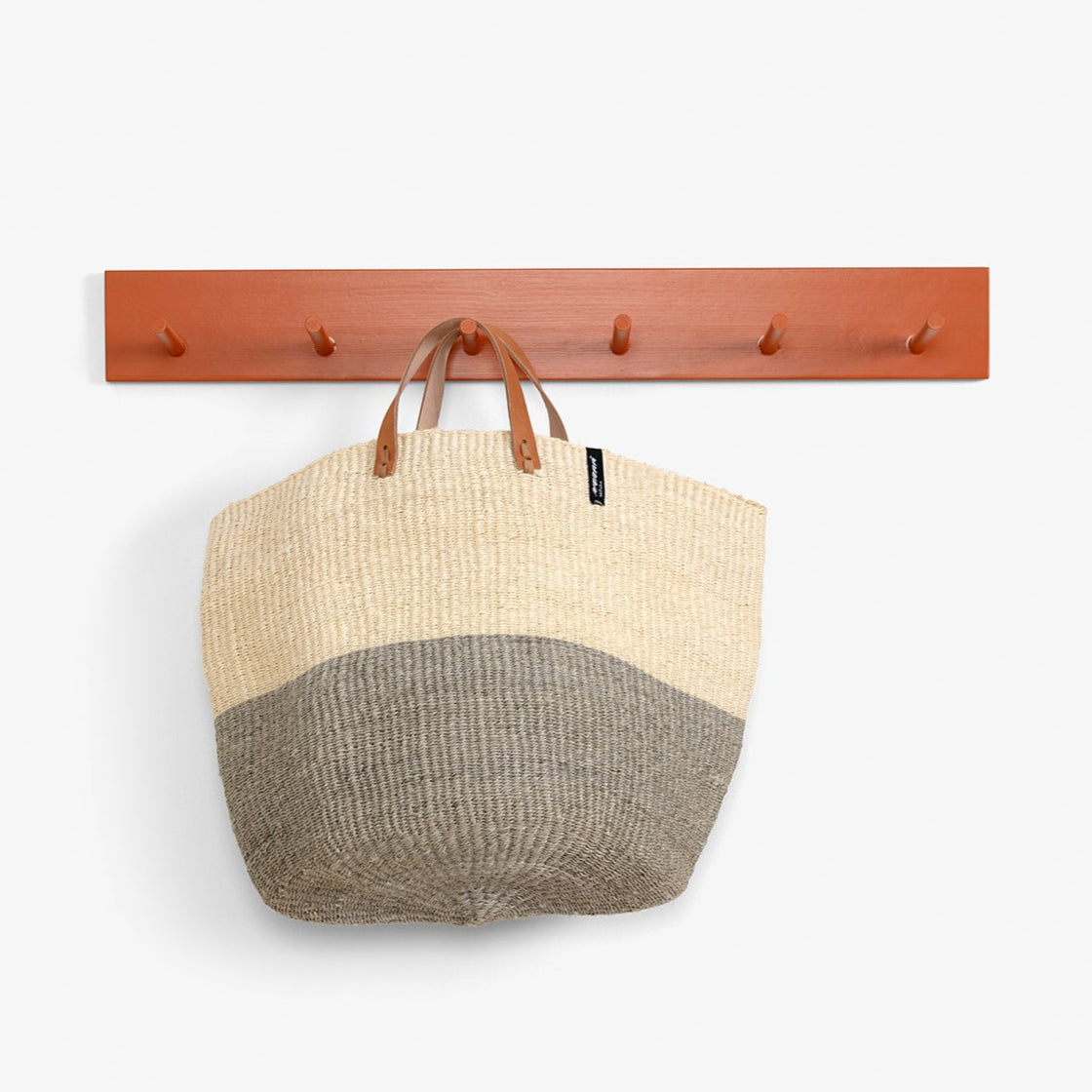


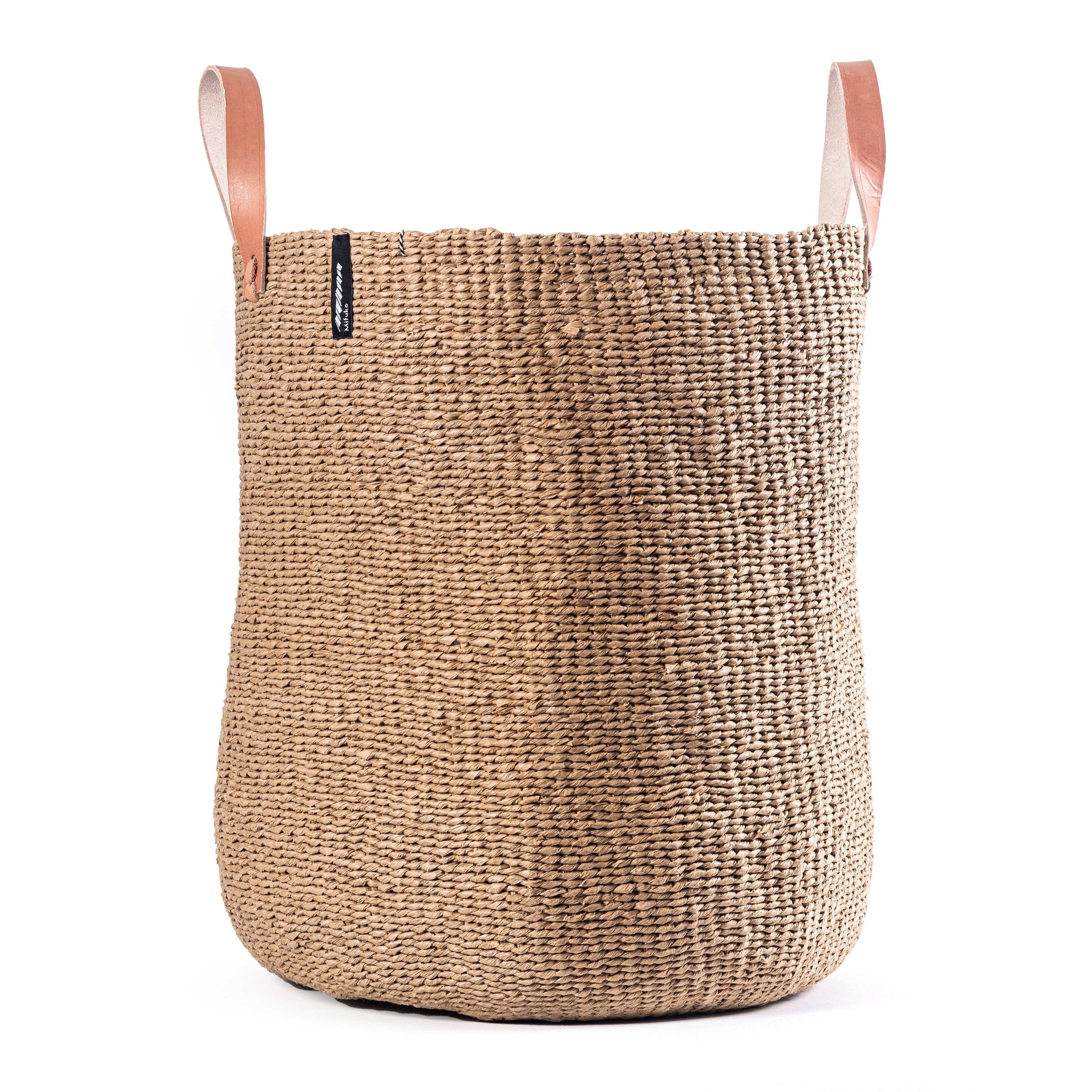

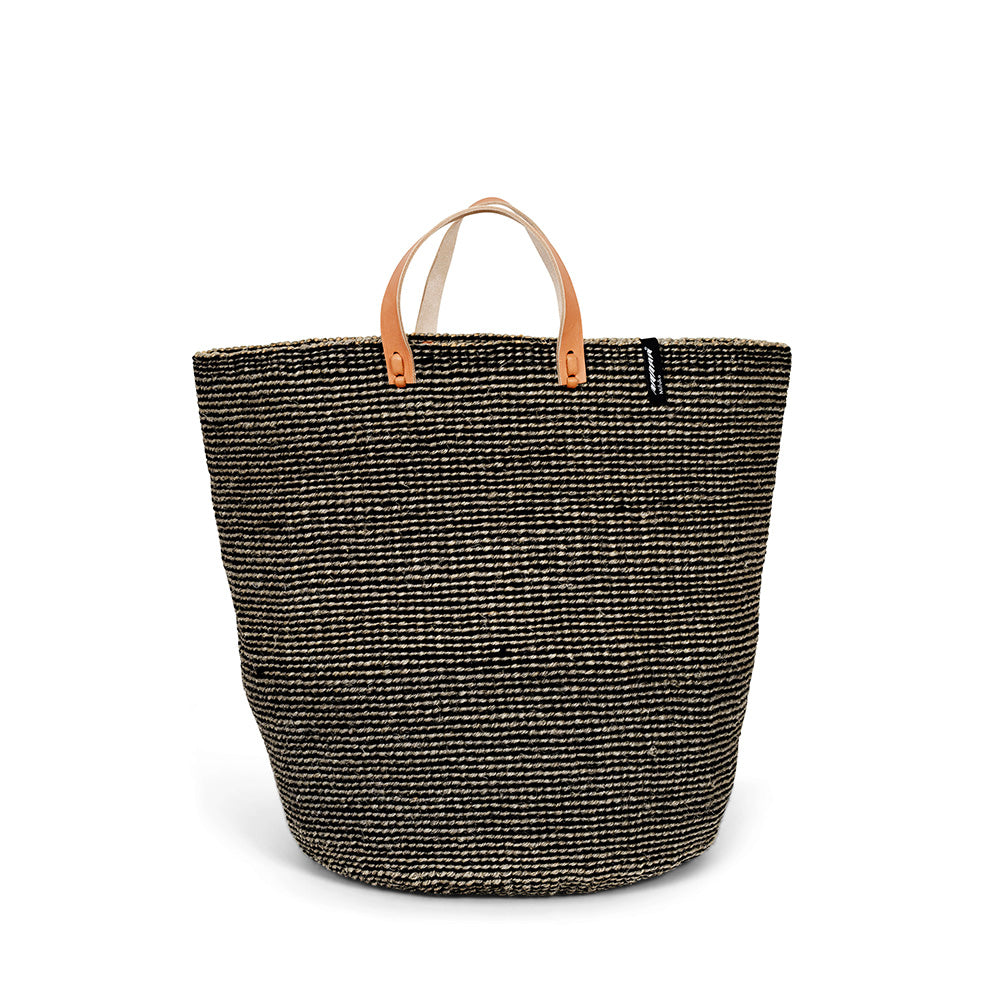
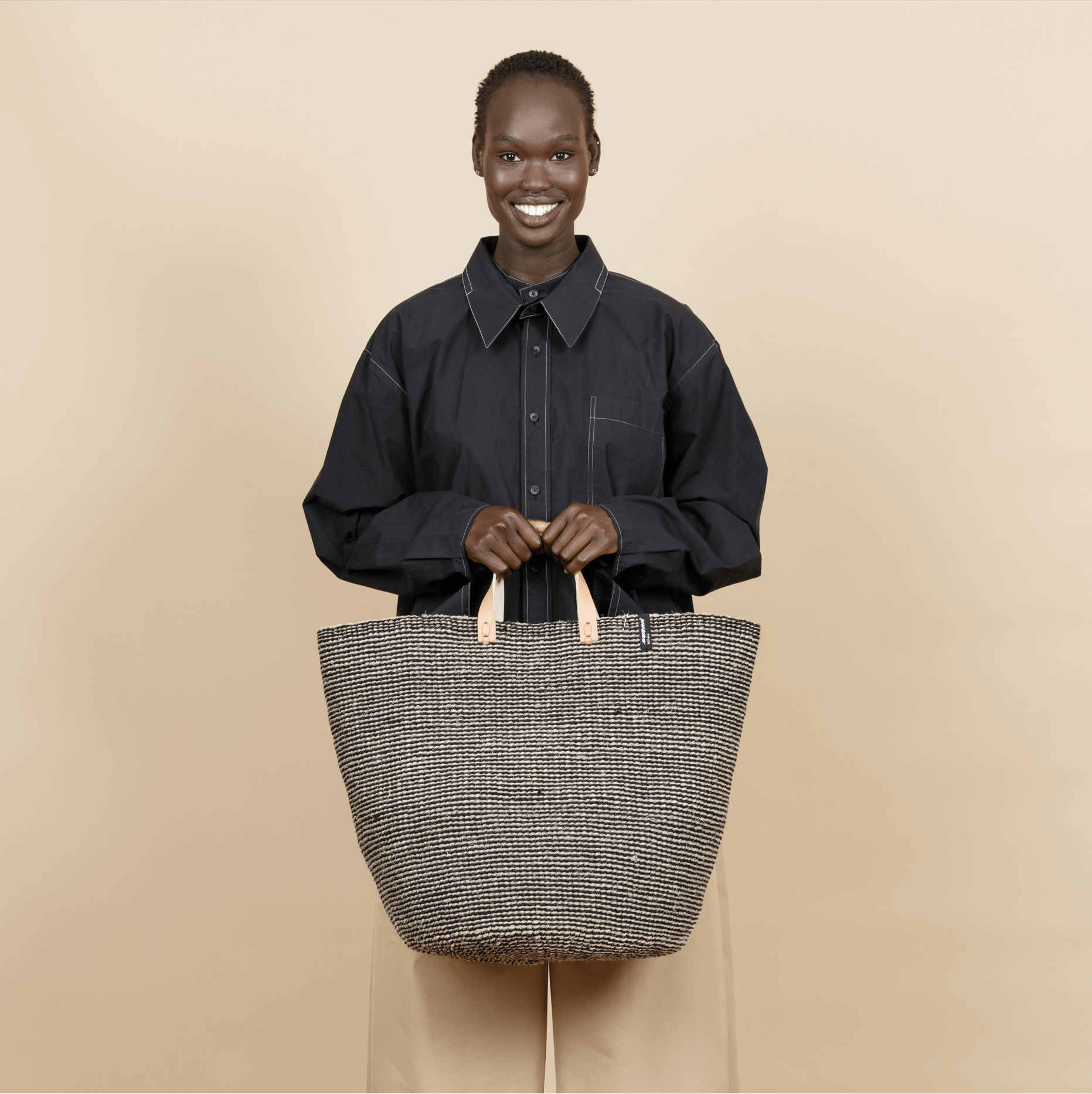
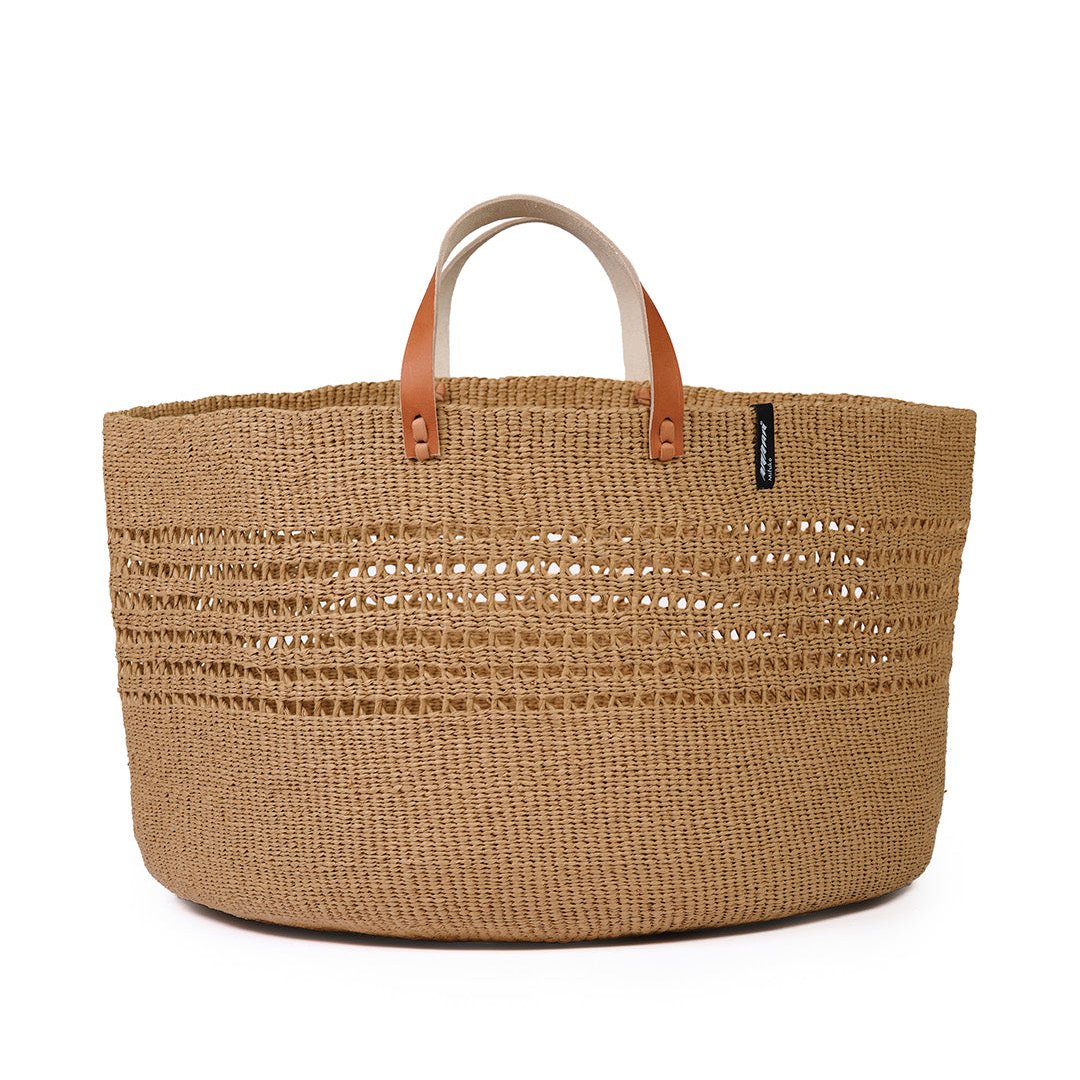
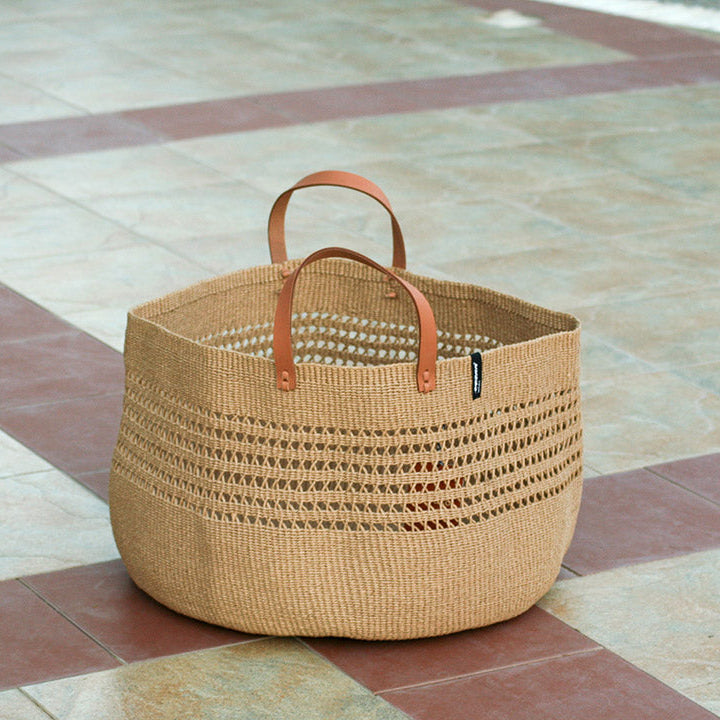
Large baskets for home
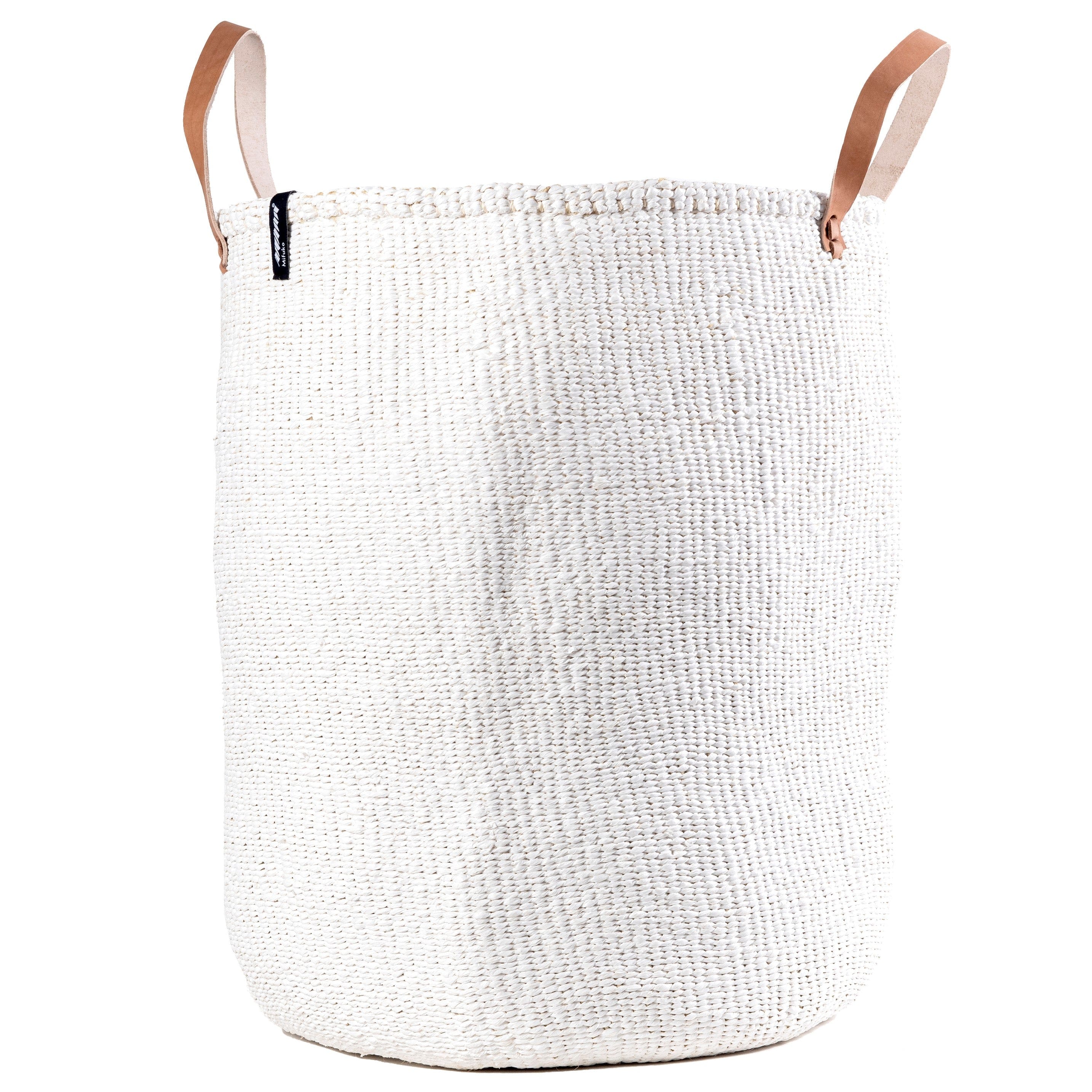

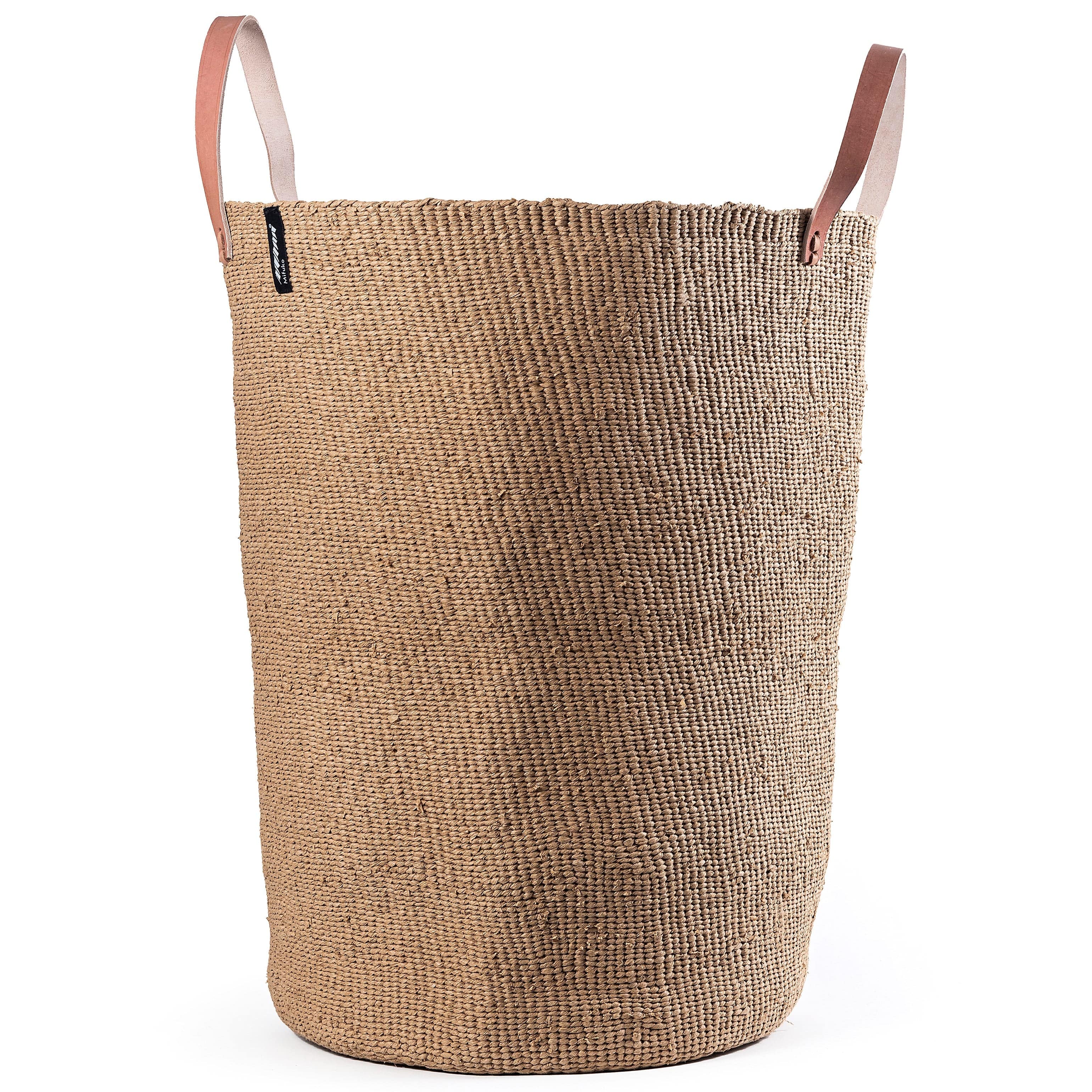

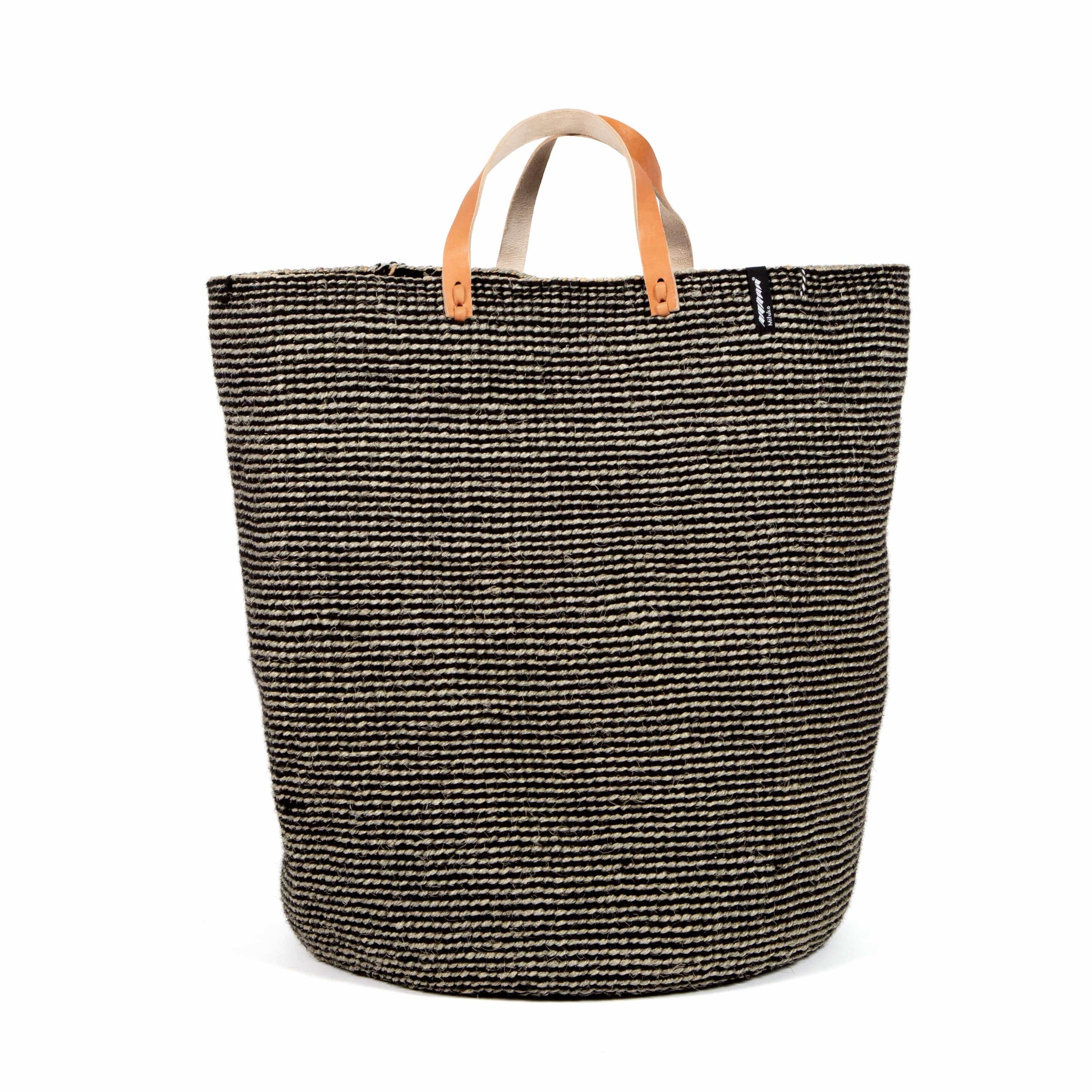

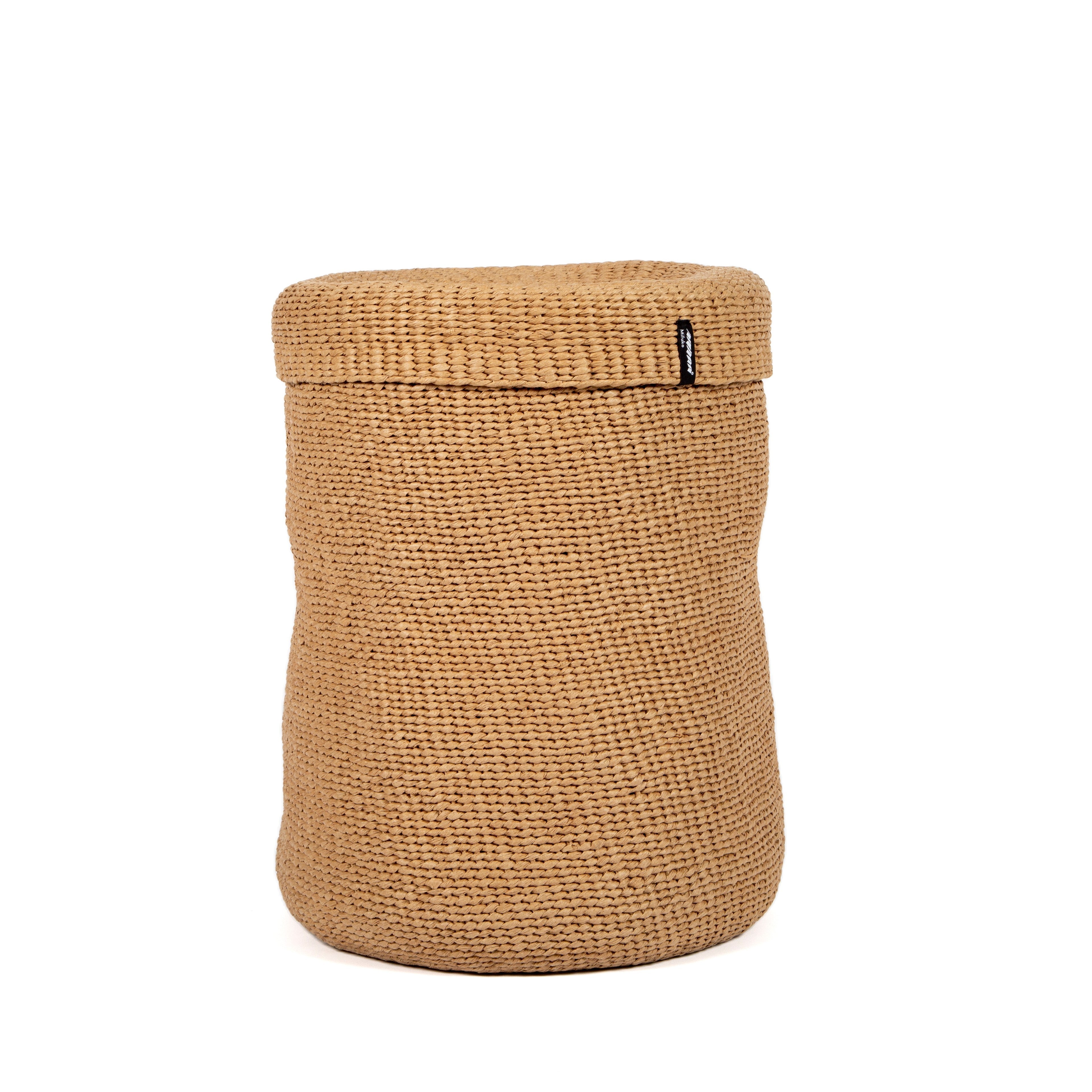
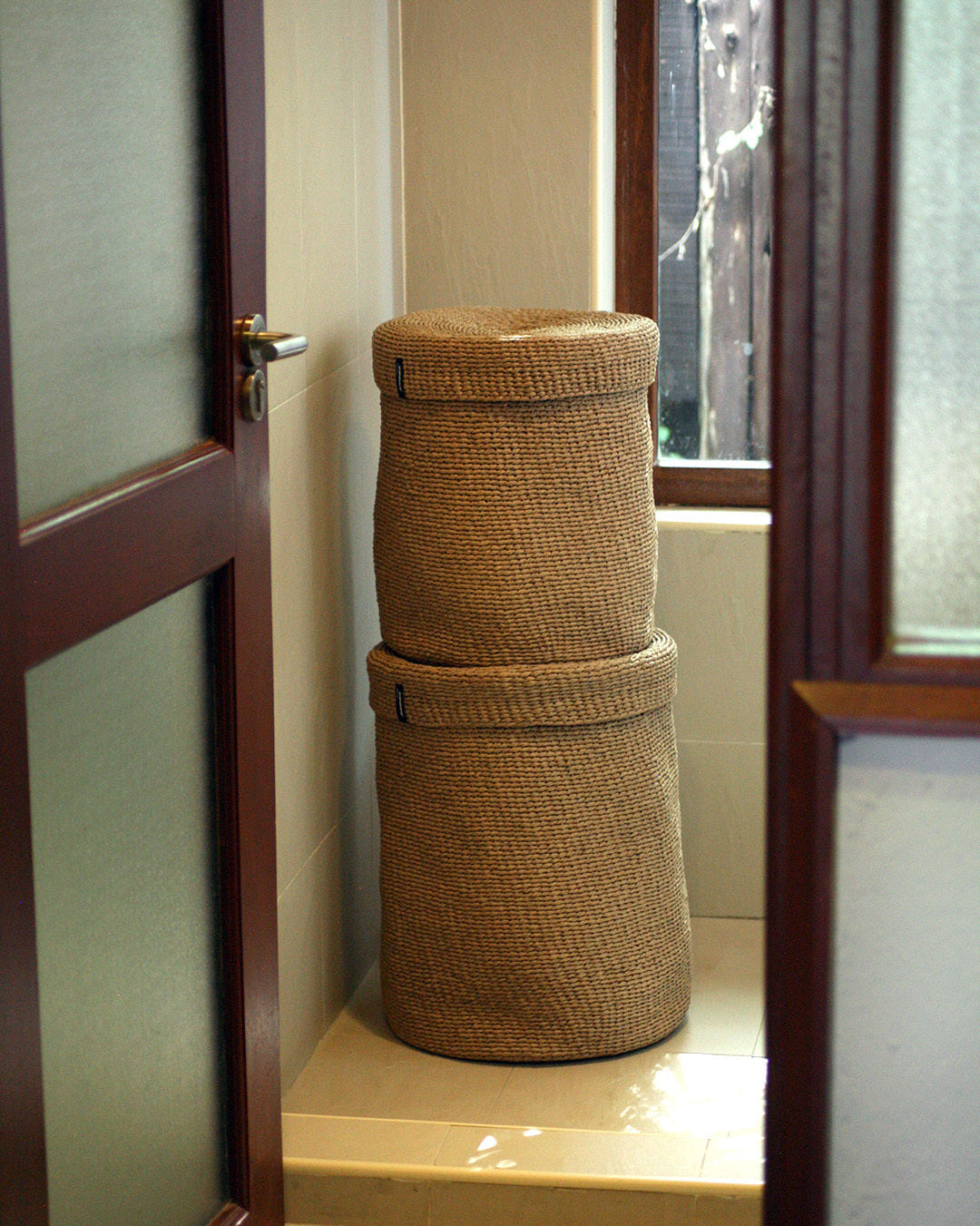


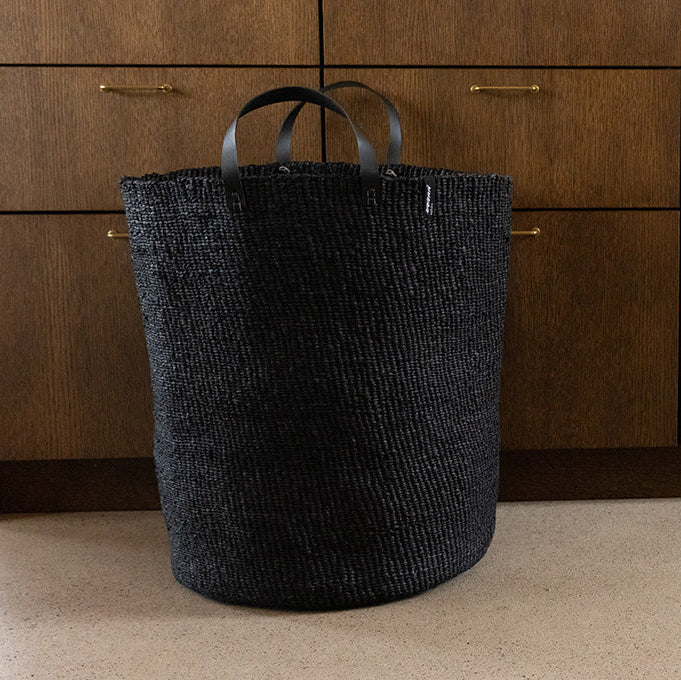
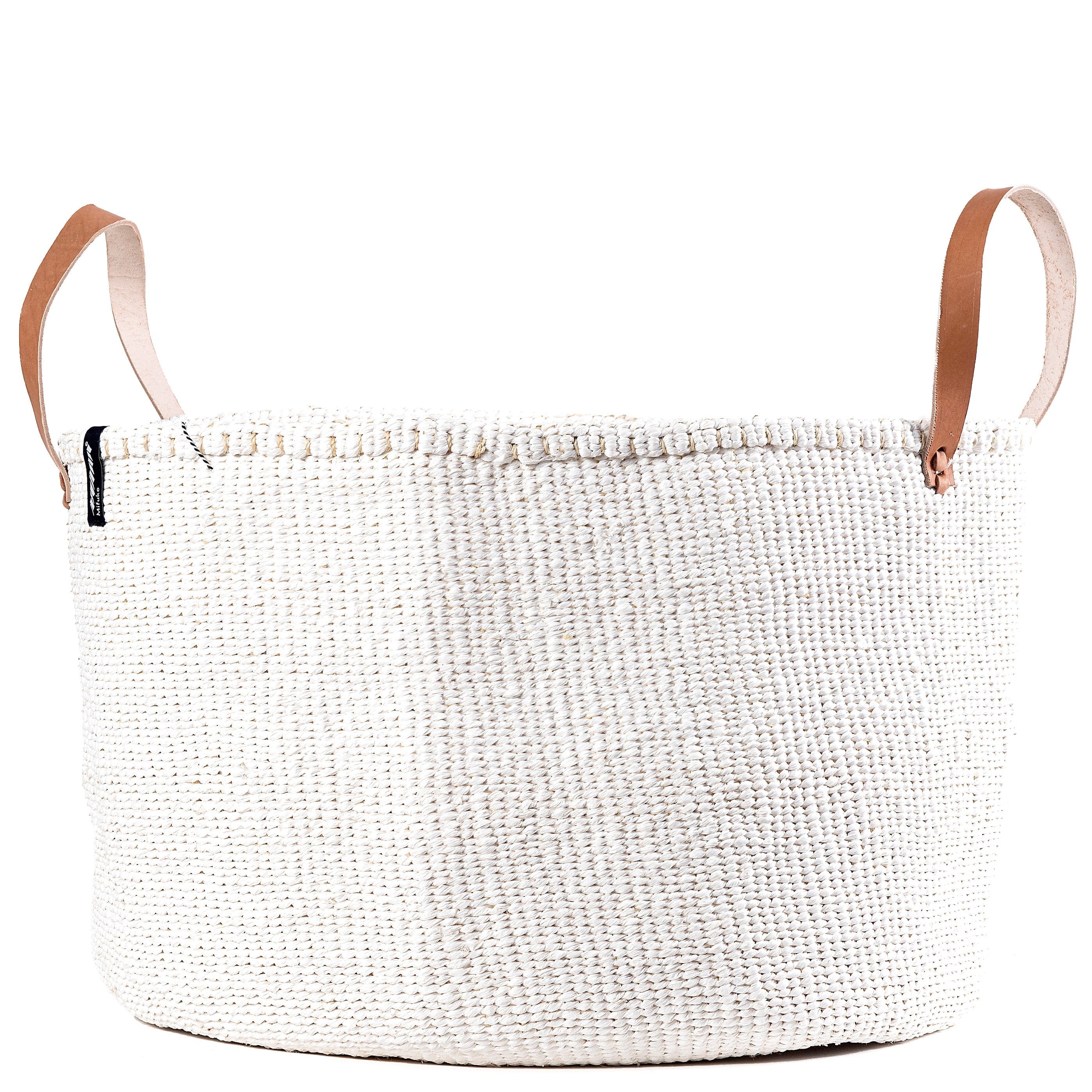

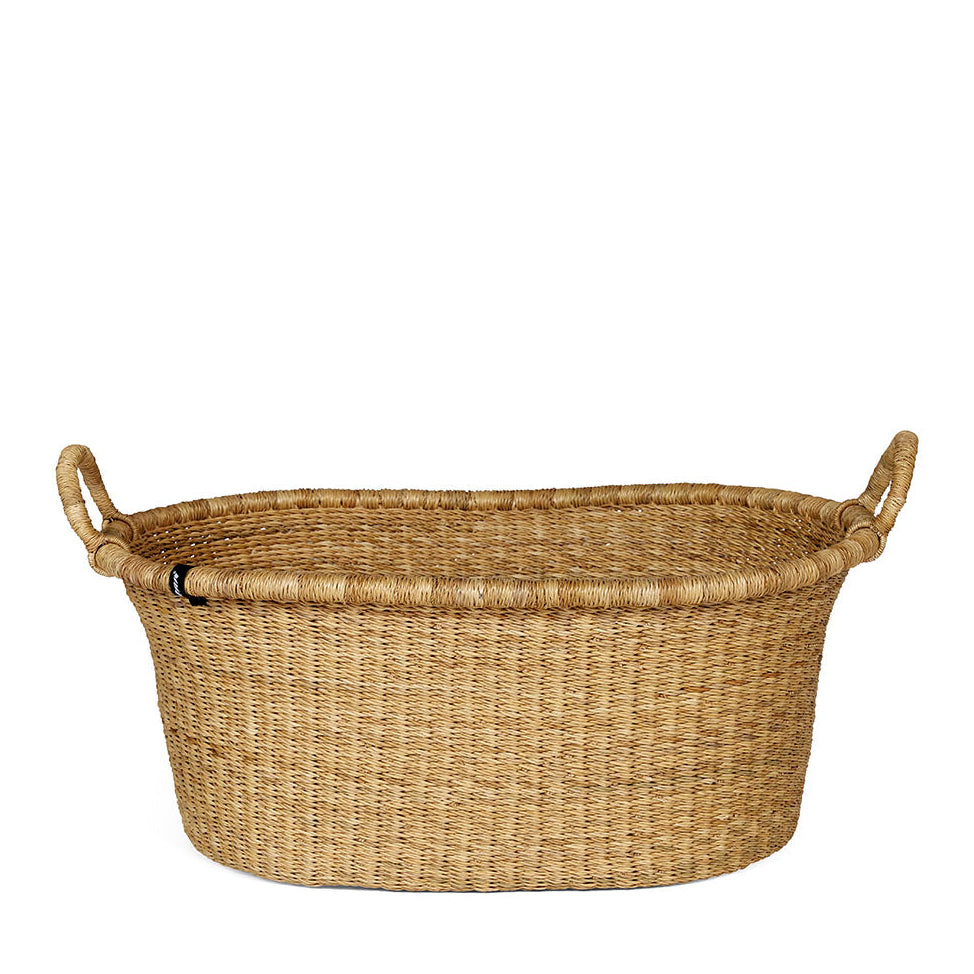
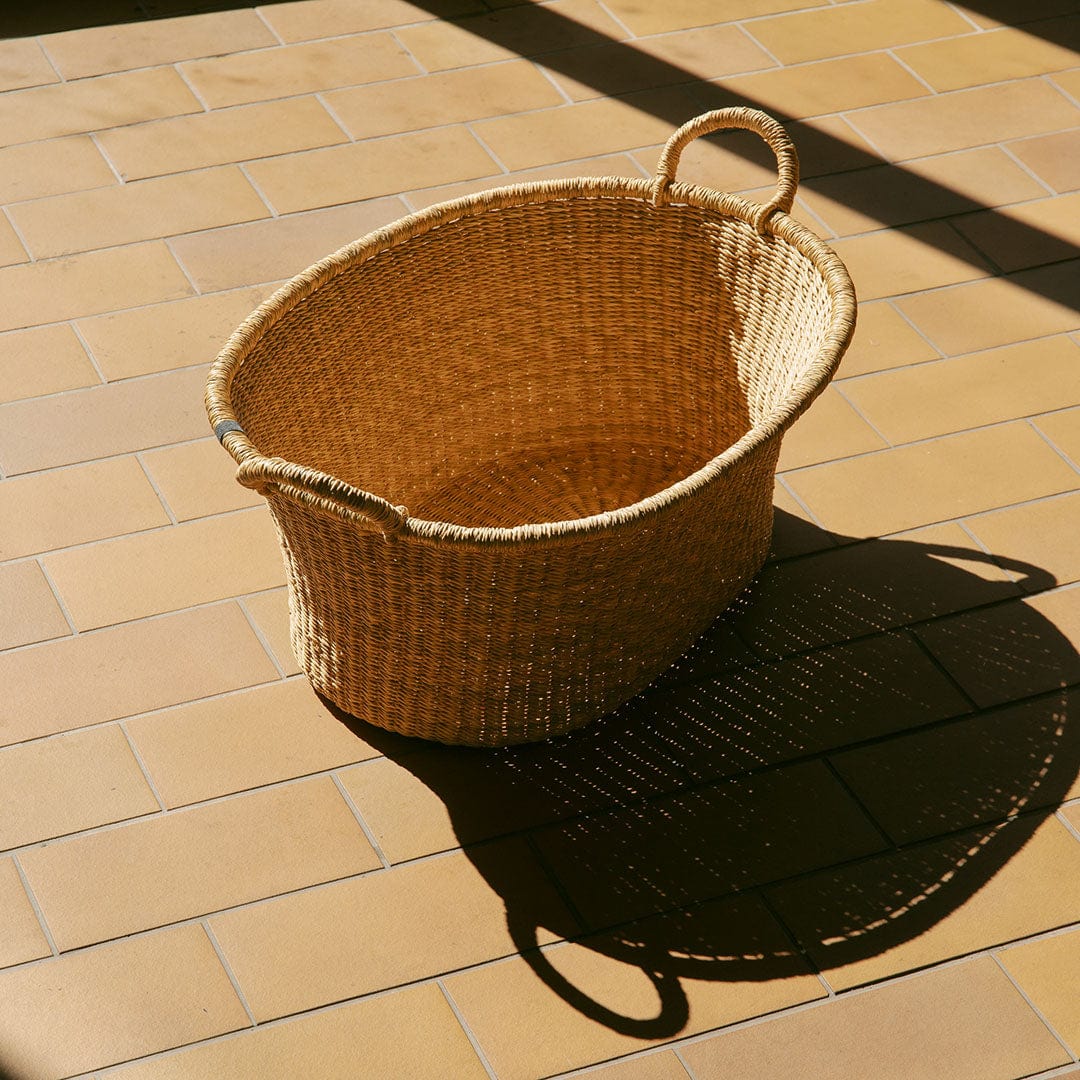
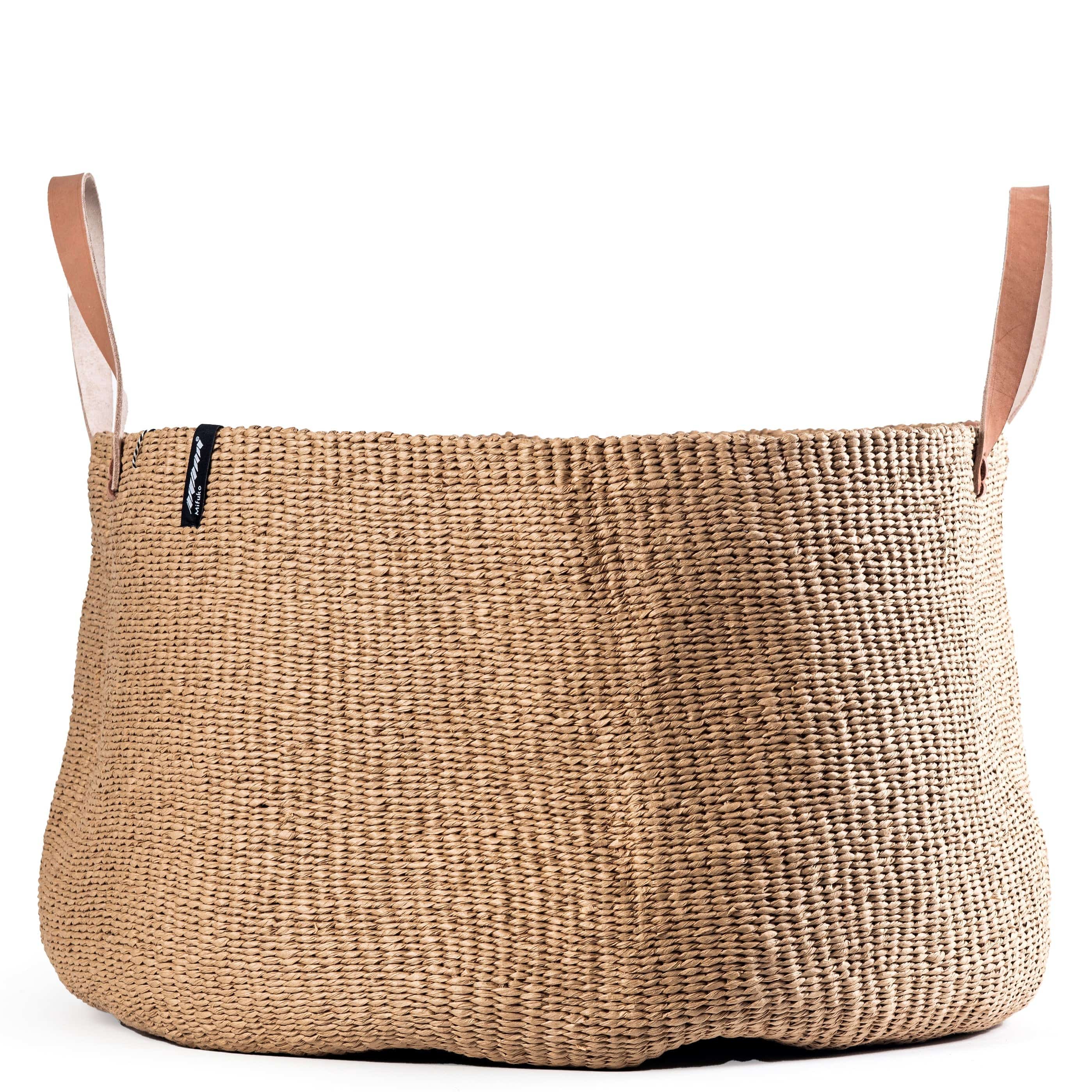

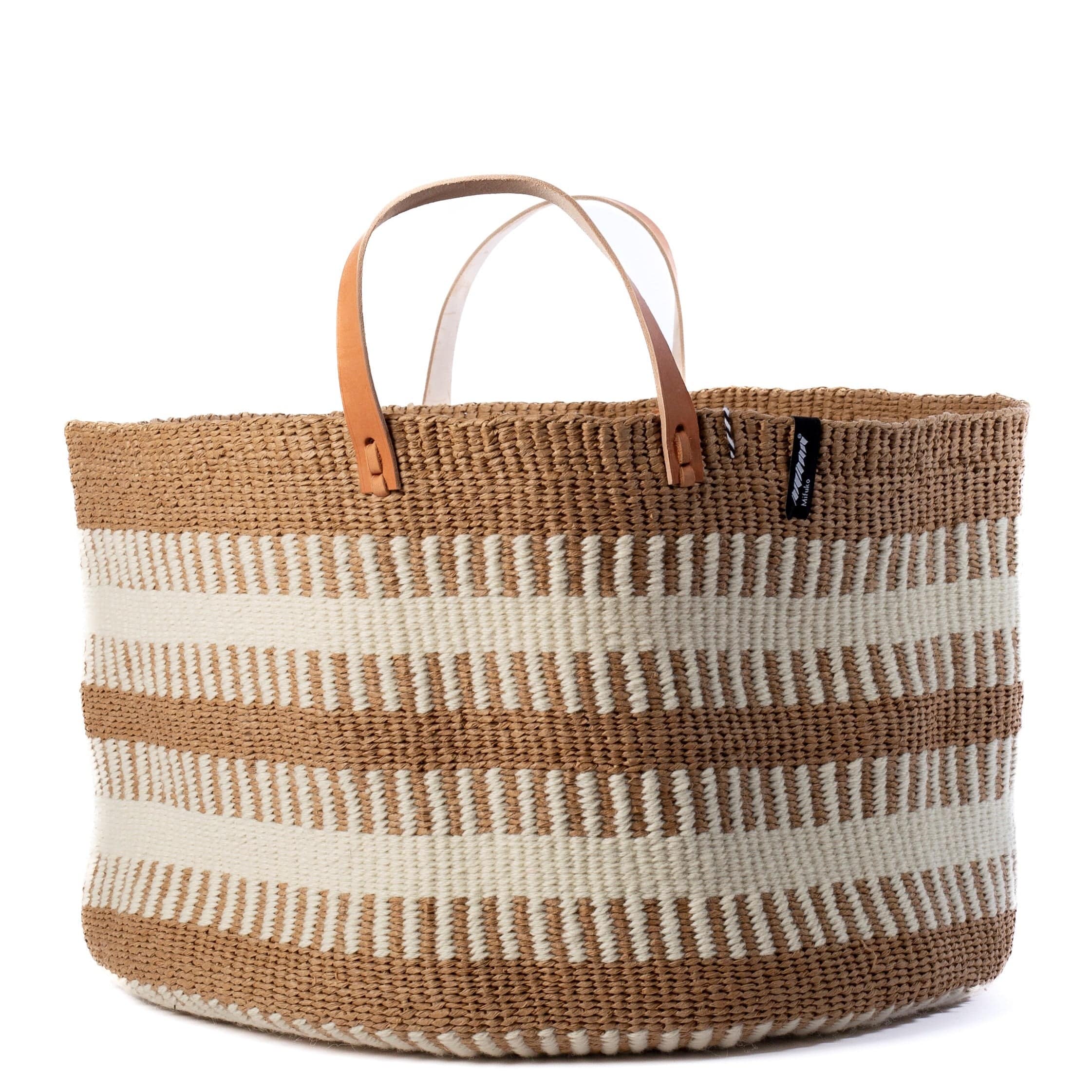
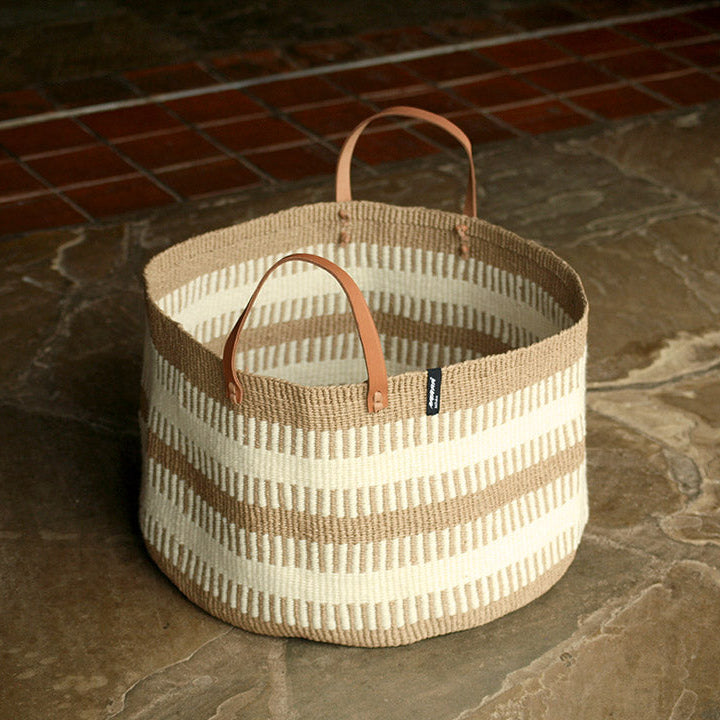
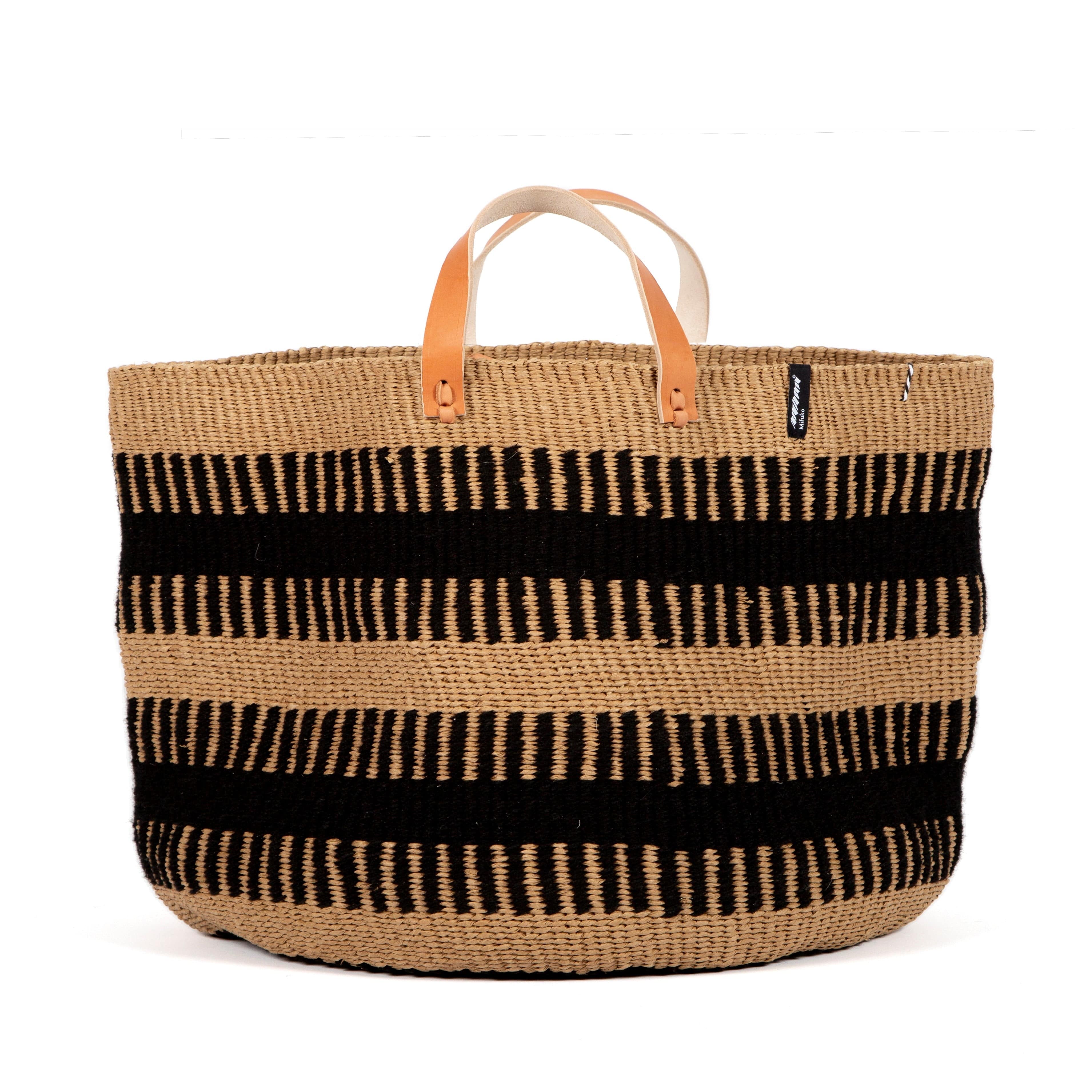
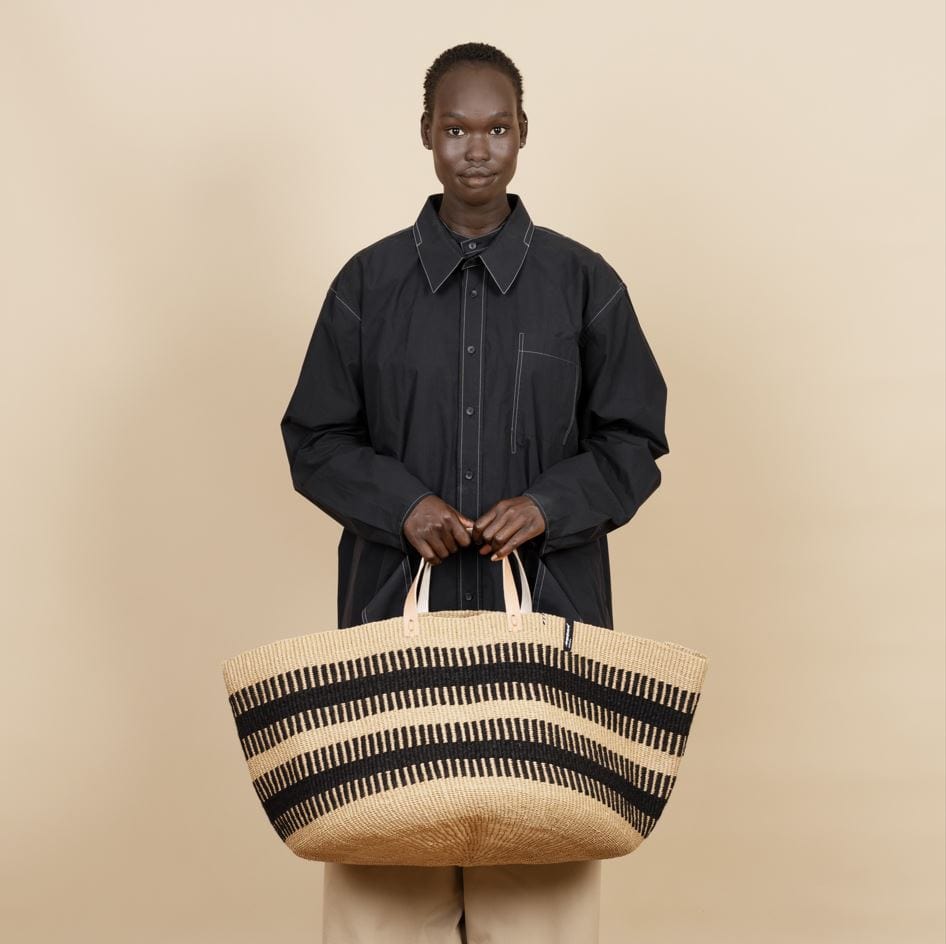
Small baskets for home
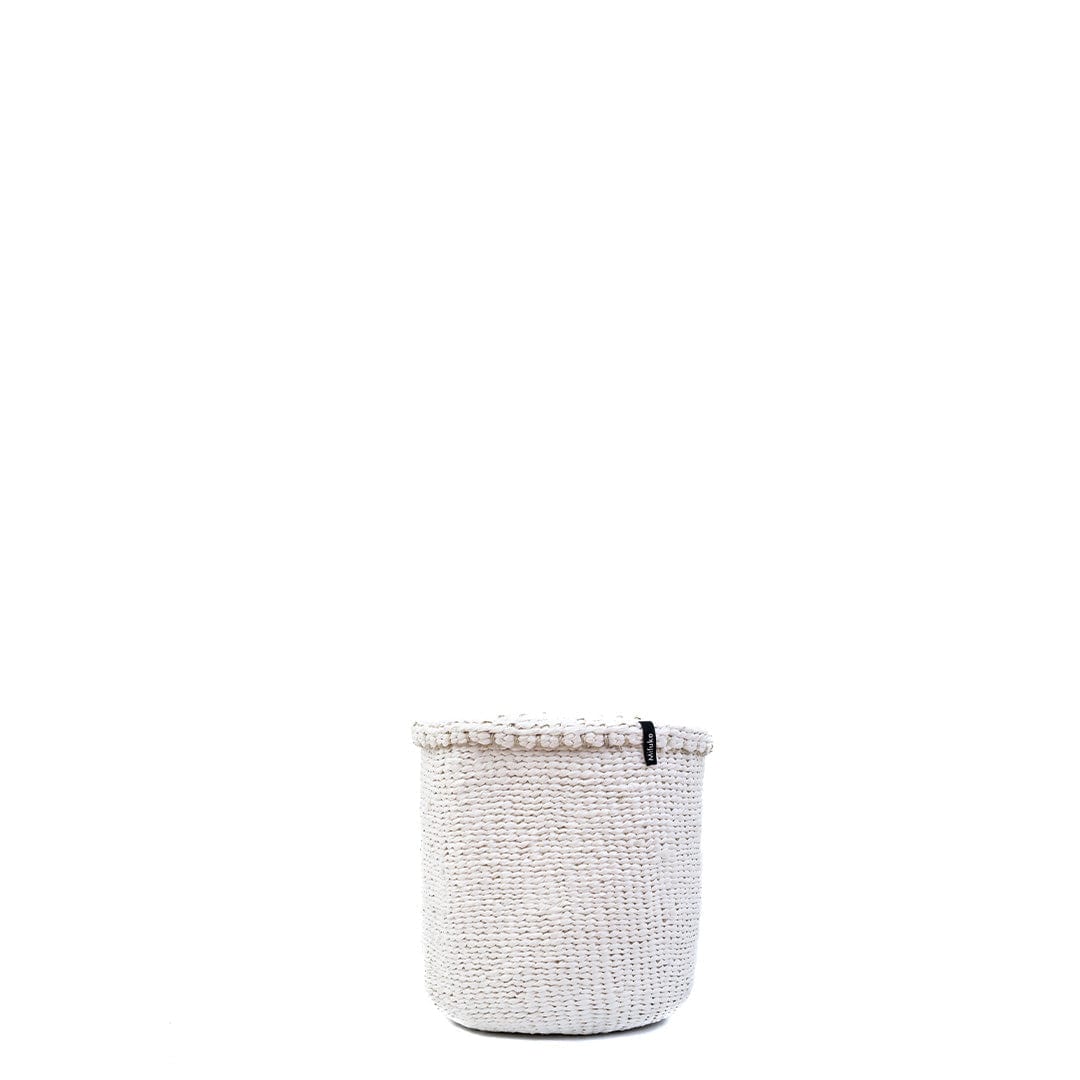

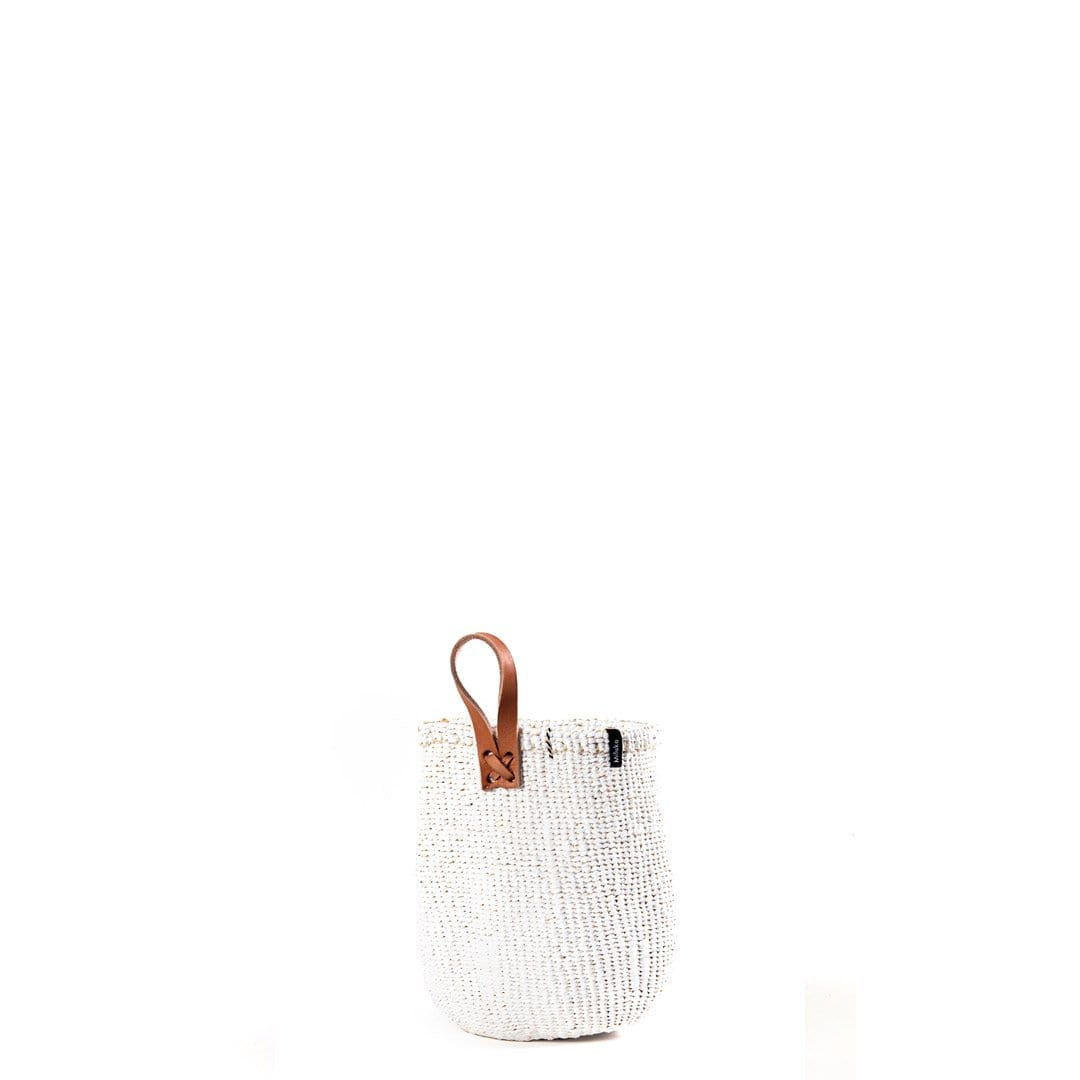
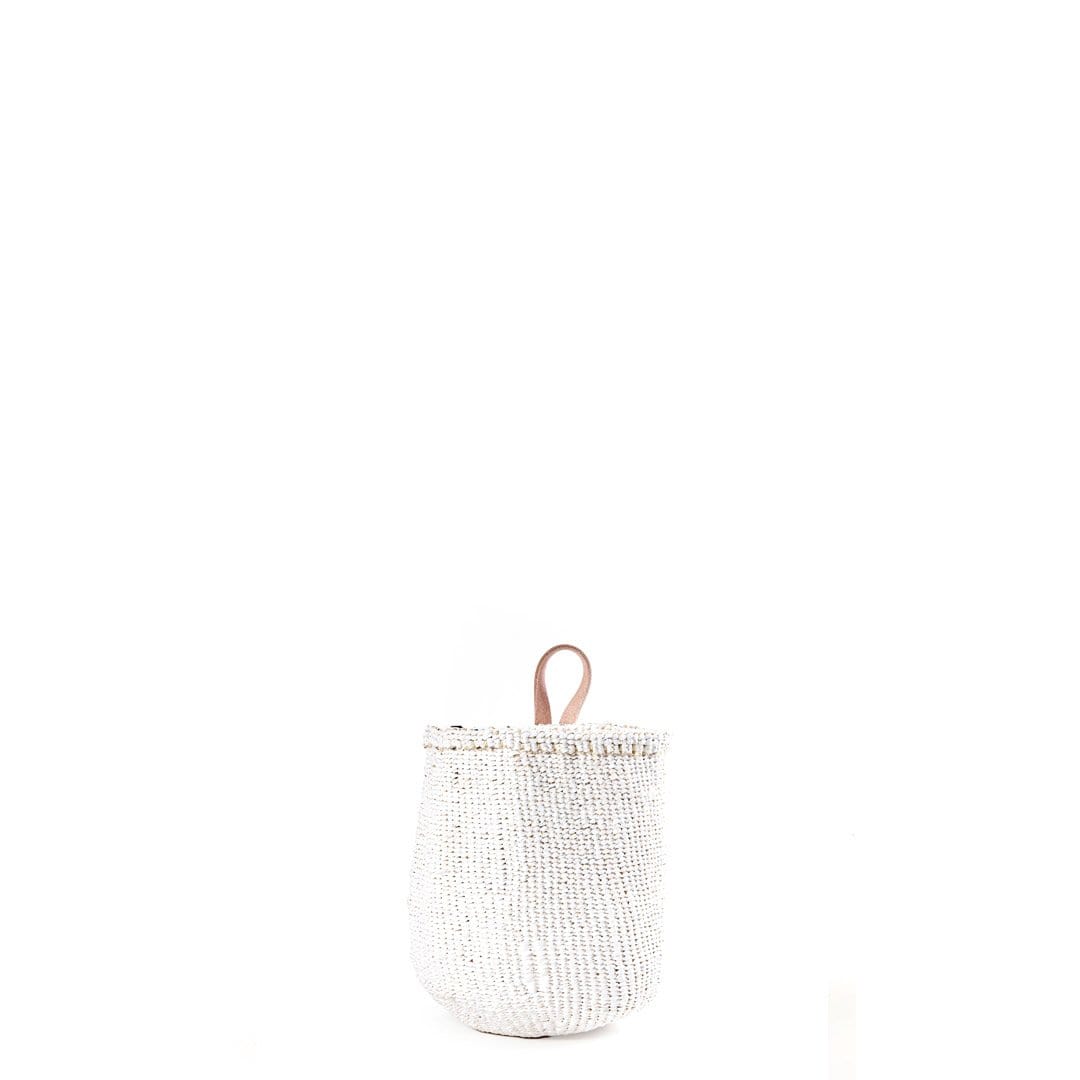
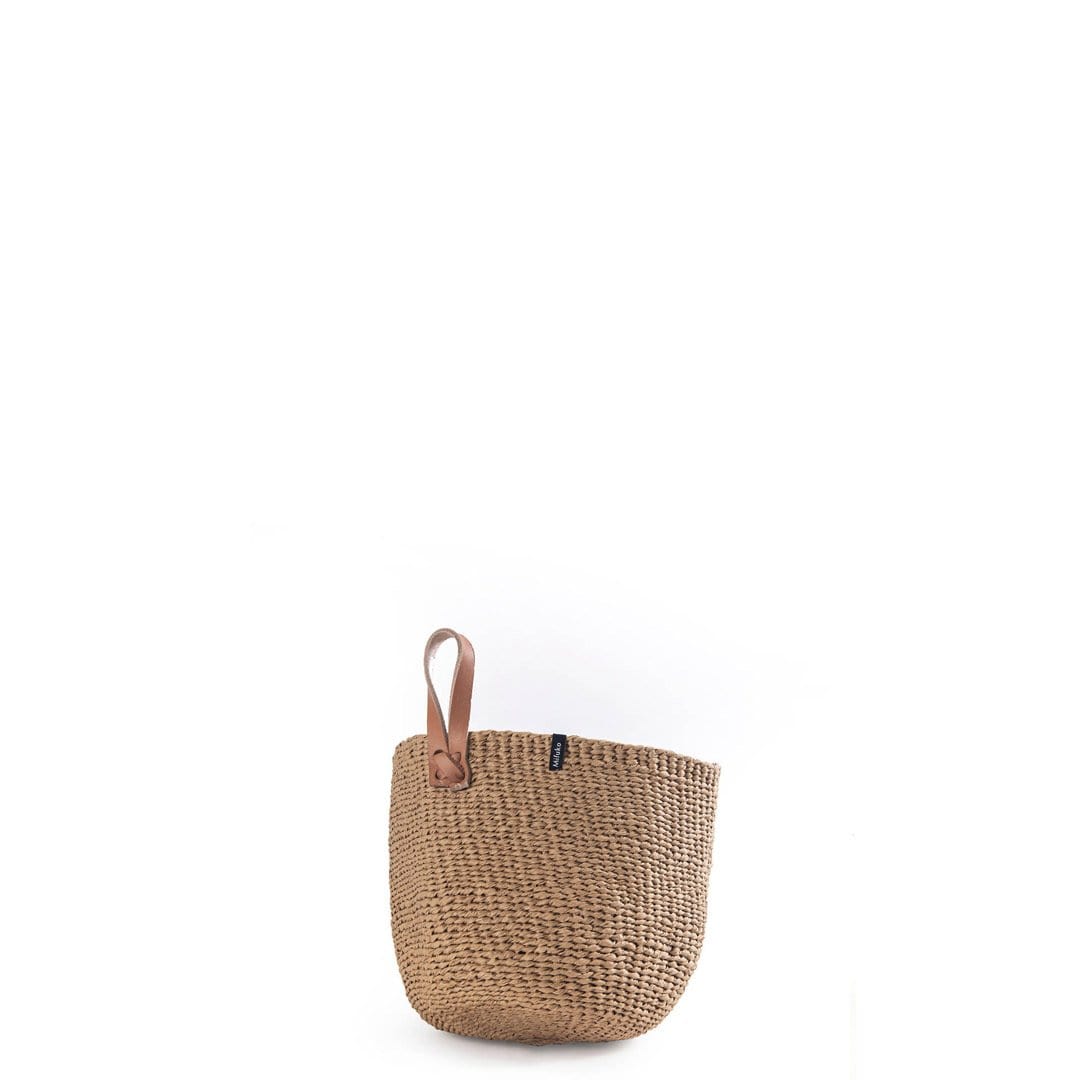

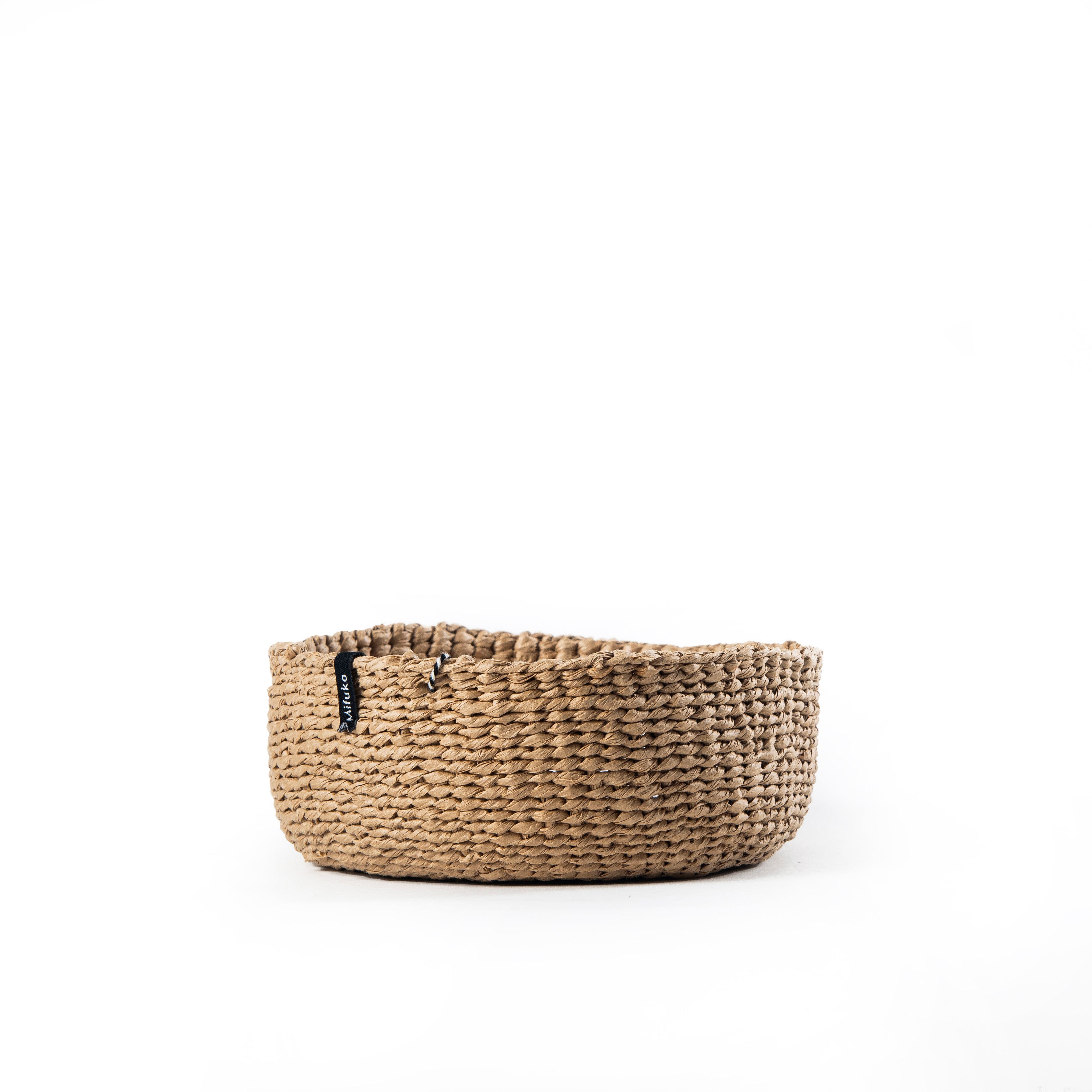
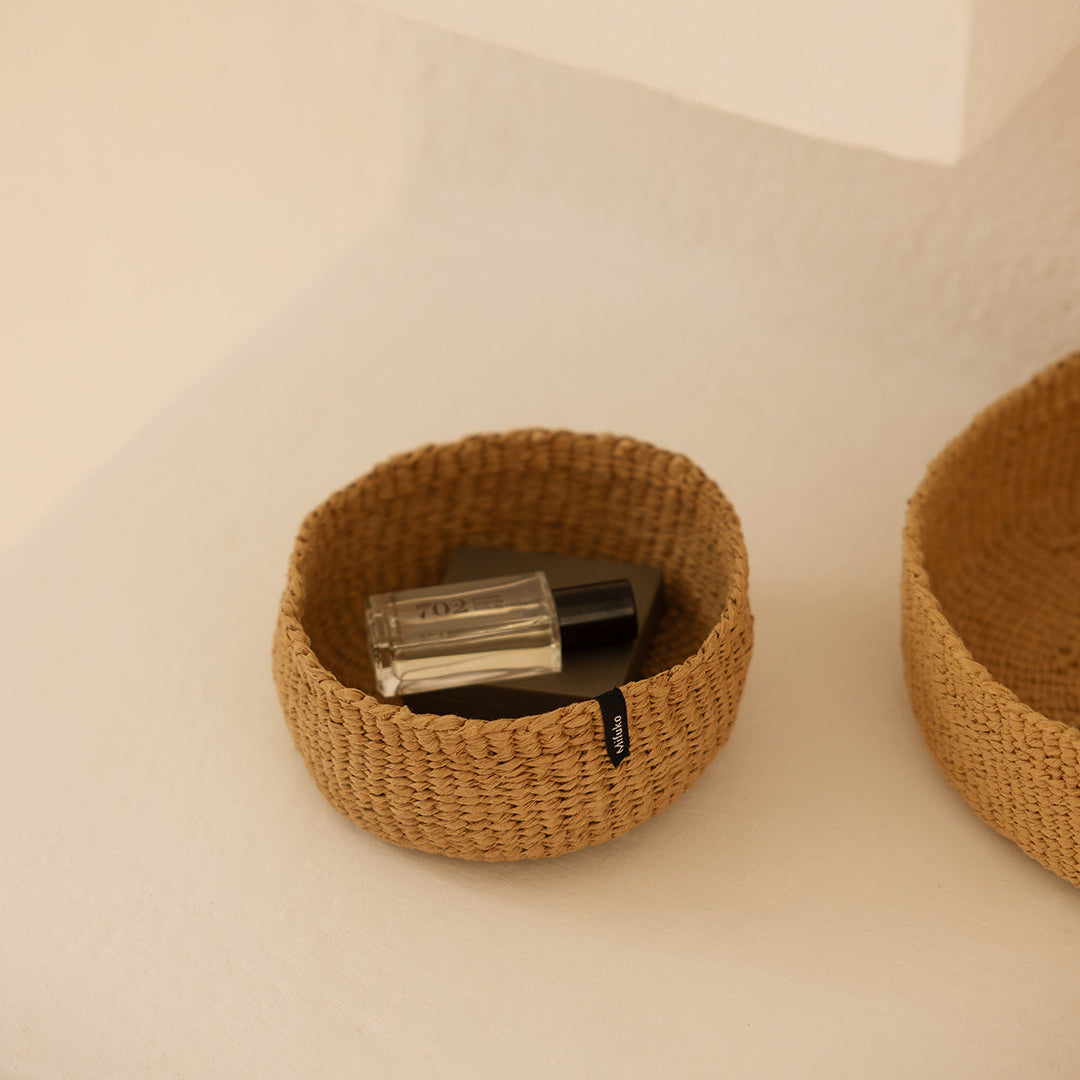
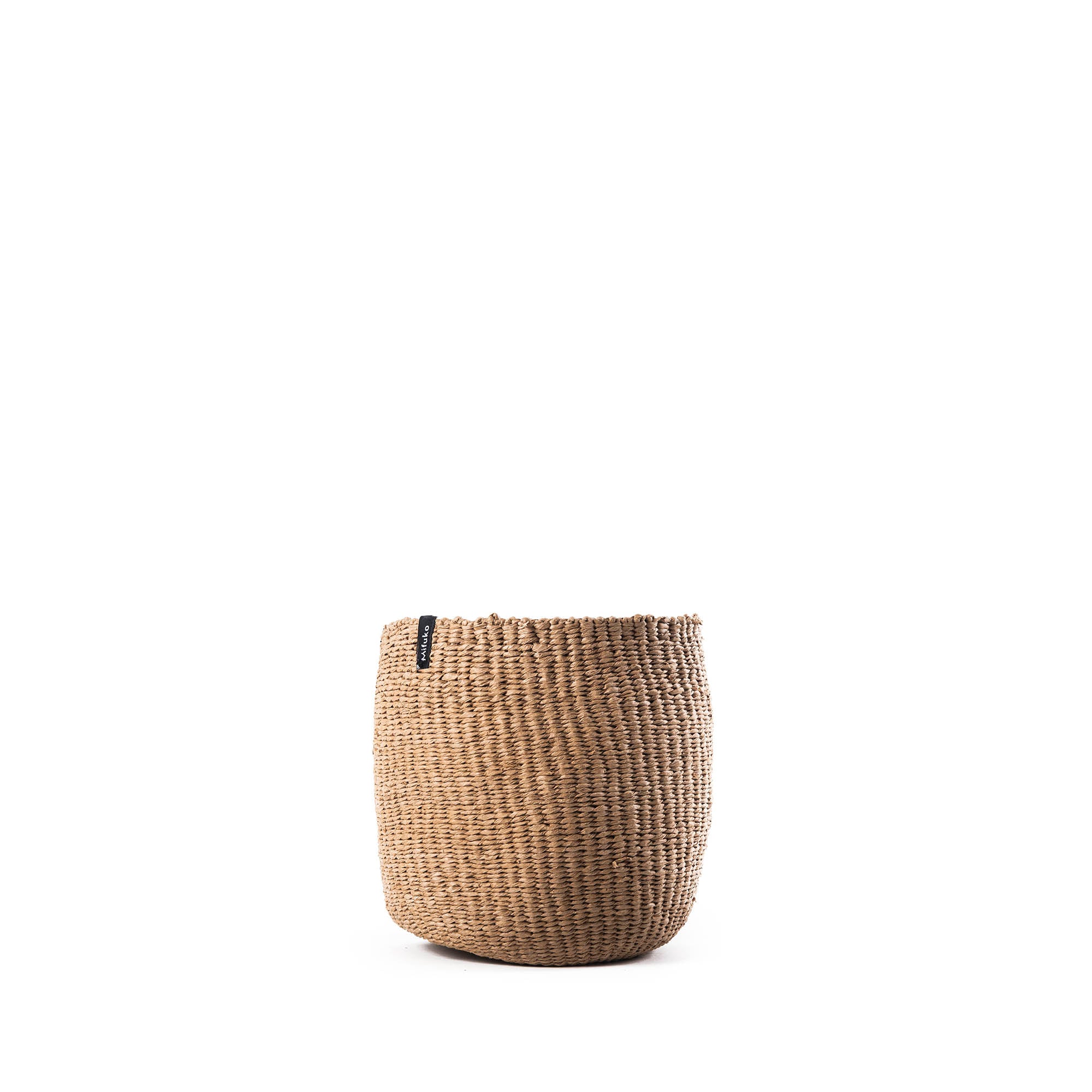

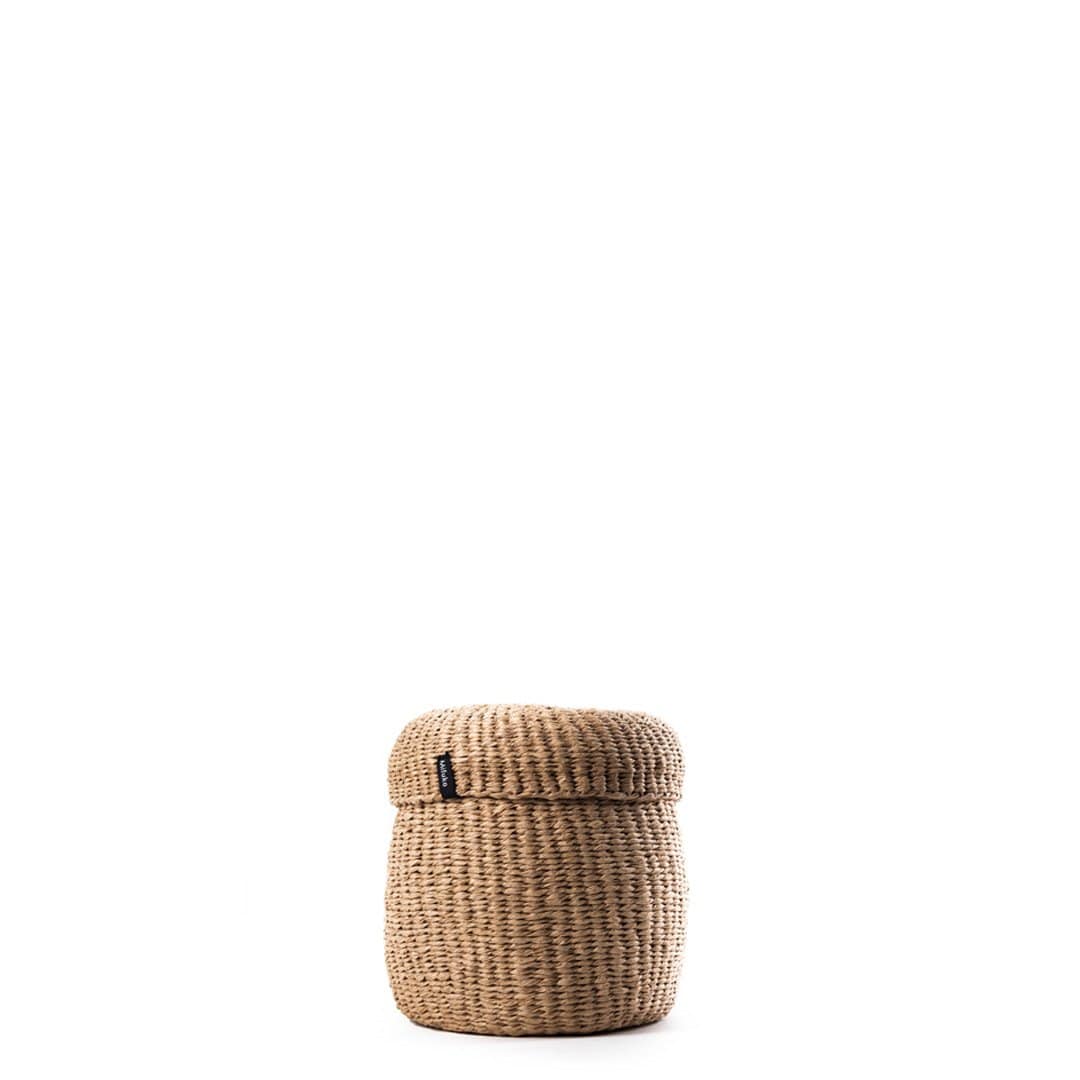

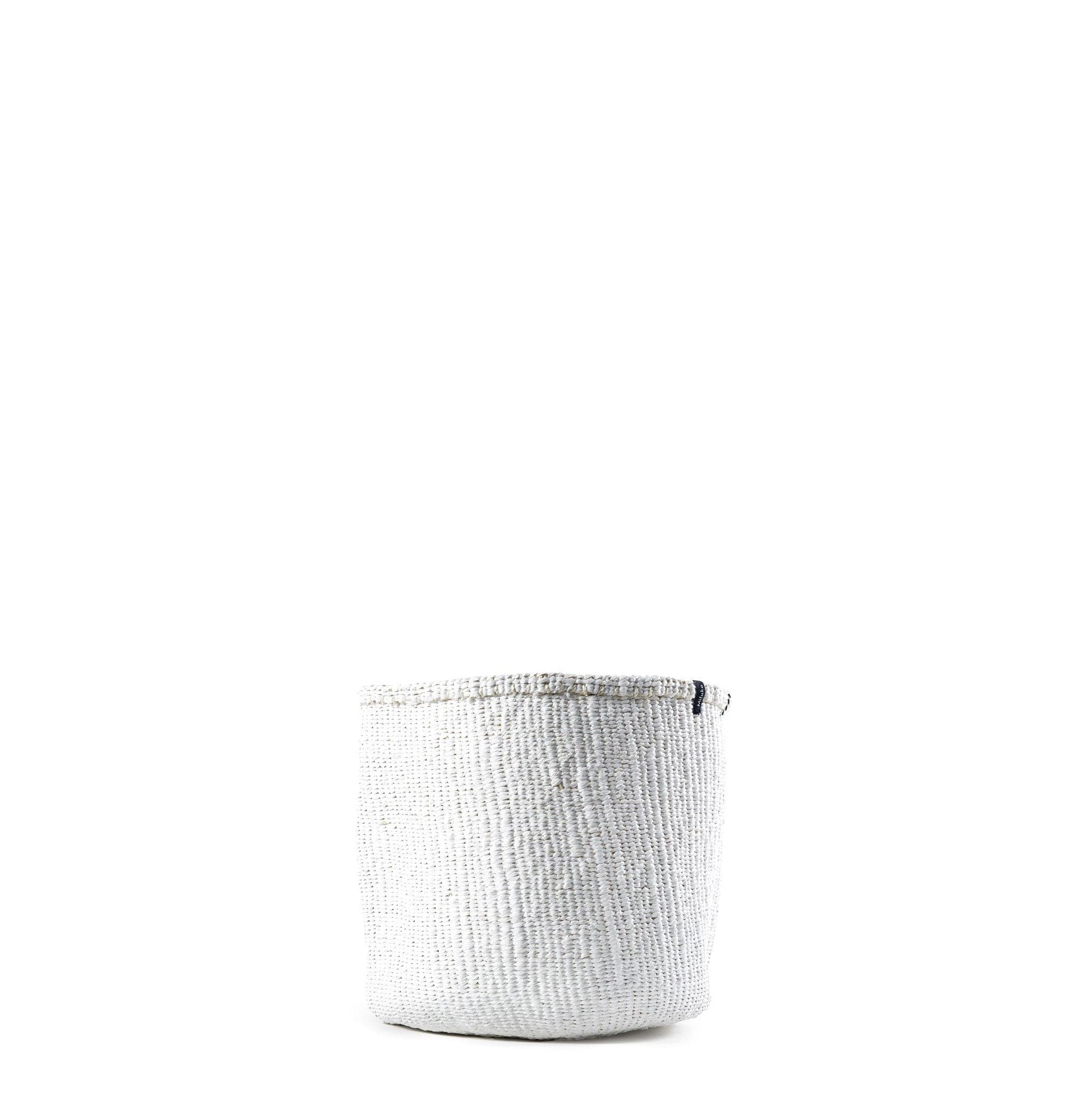
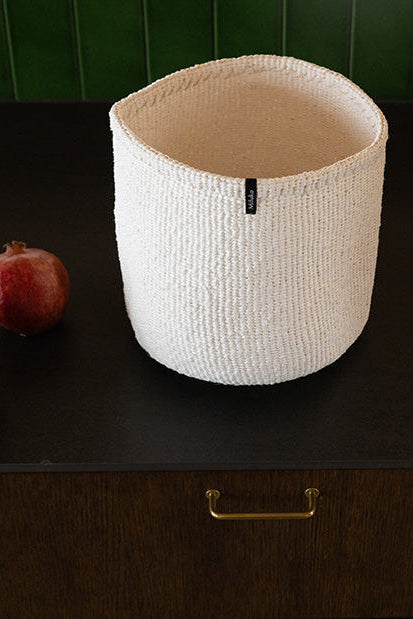
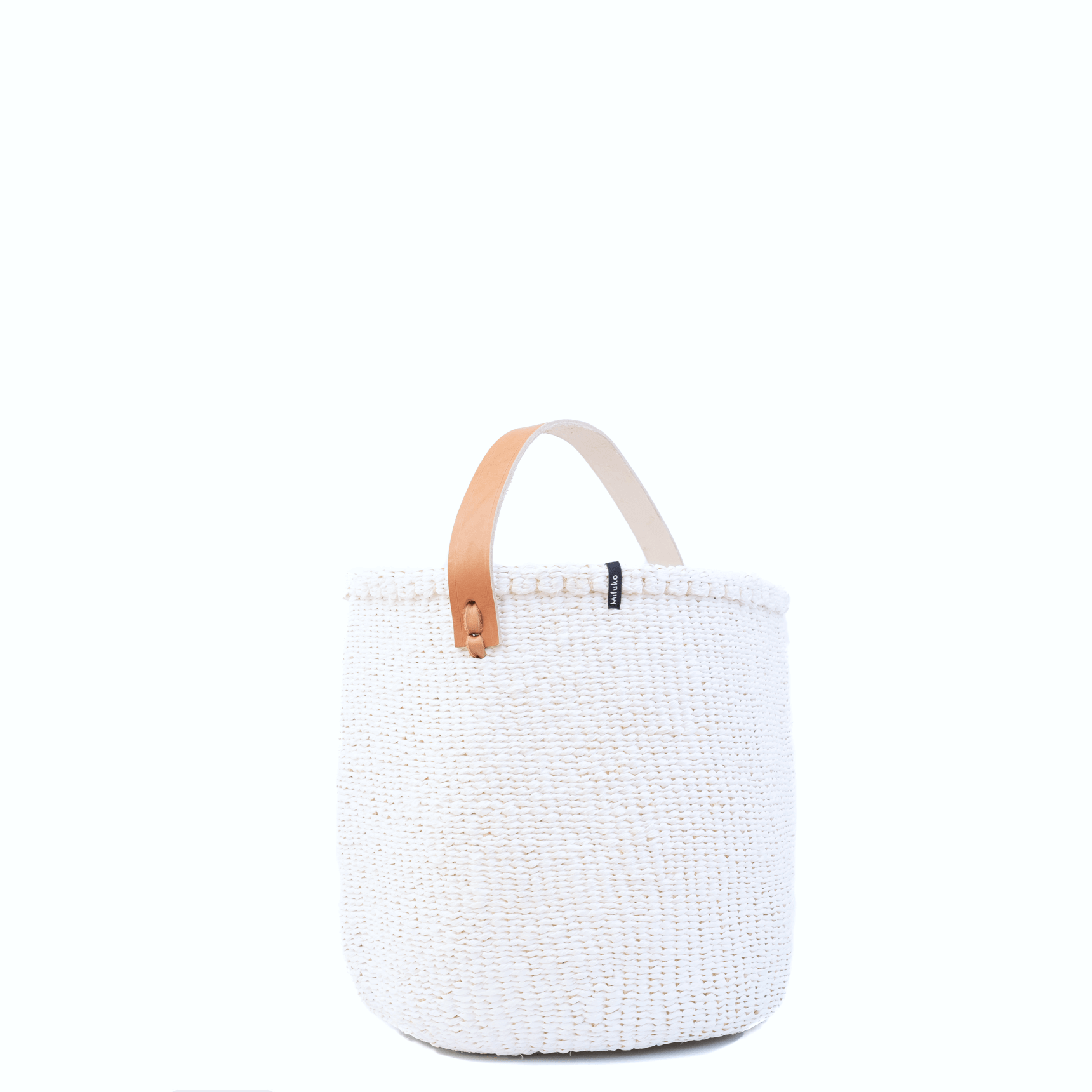
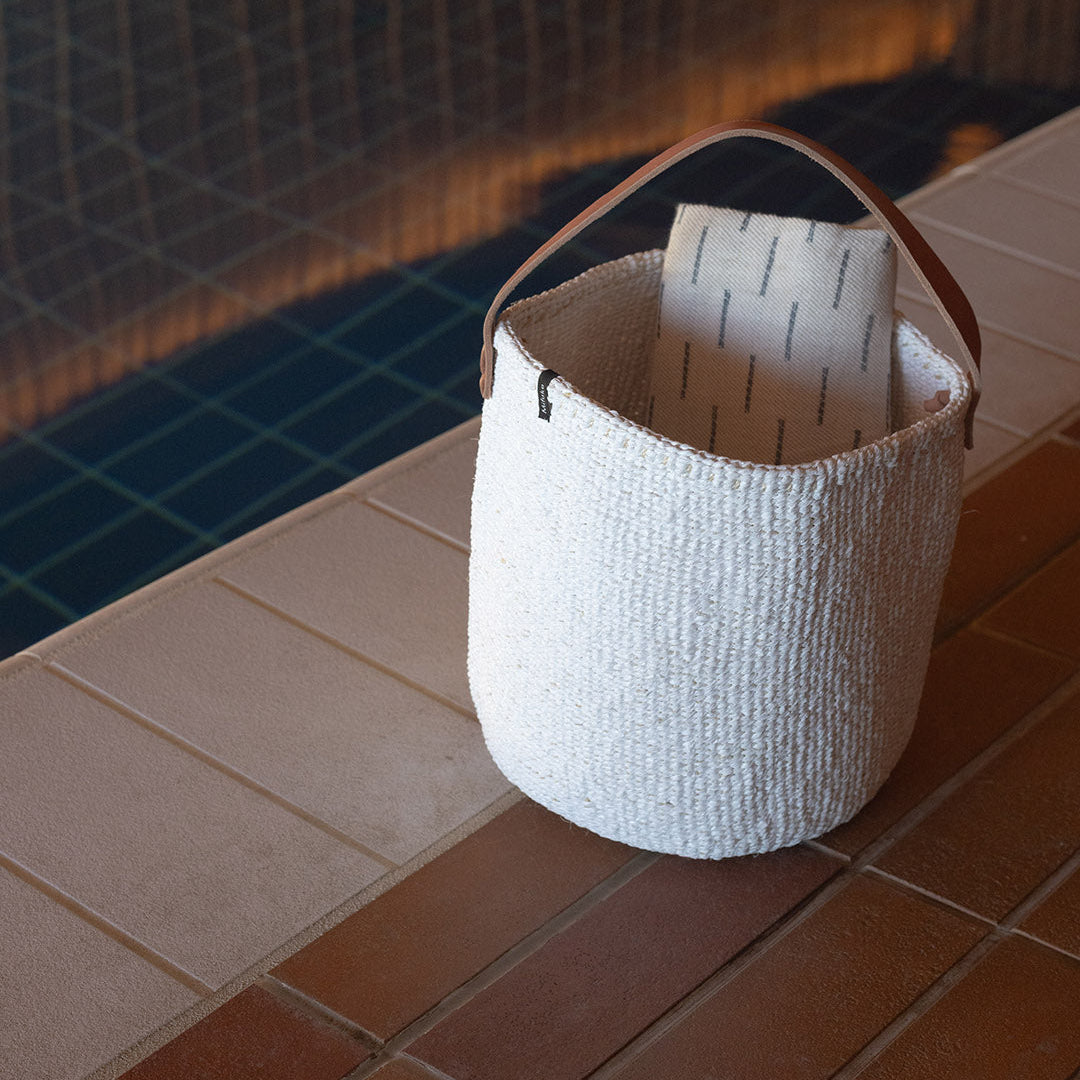
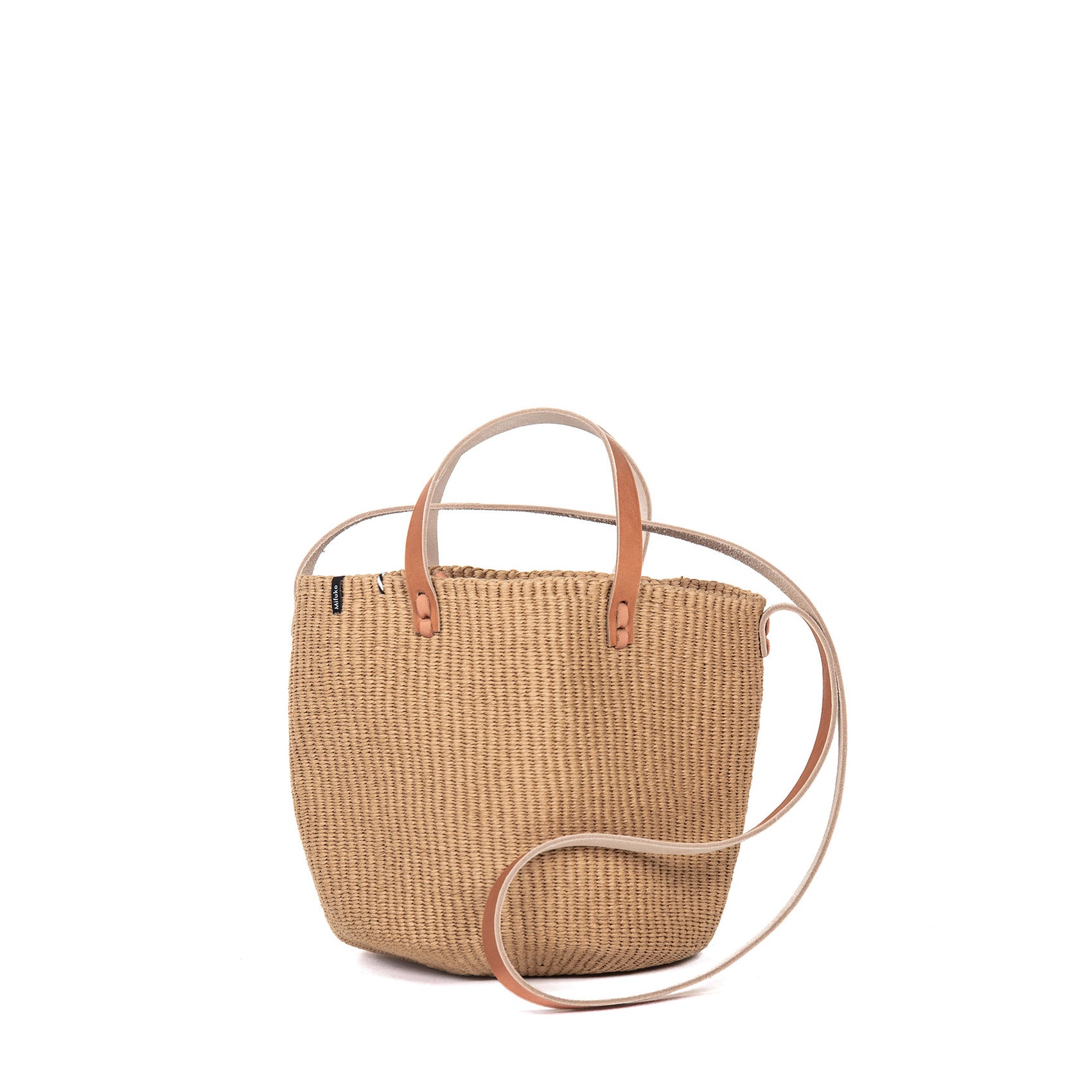
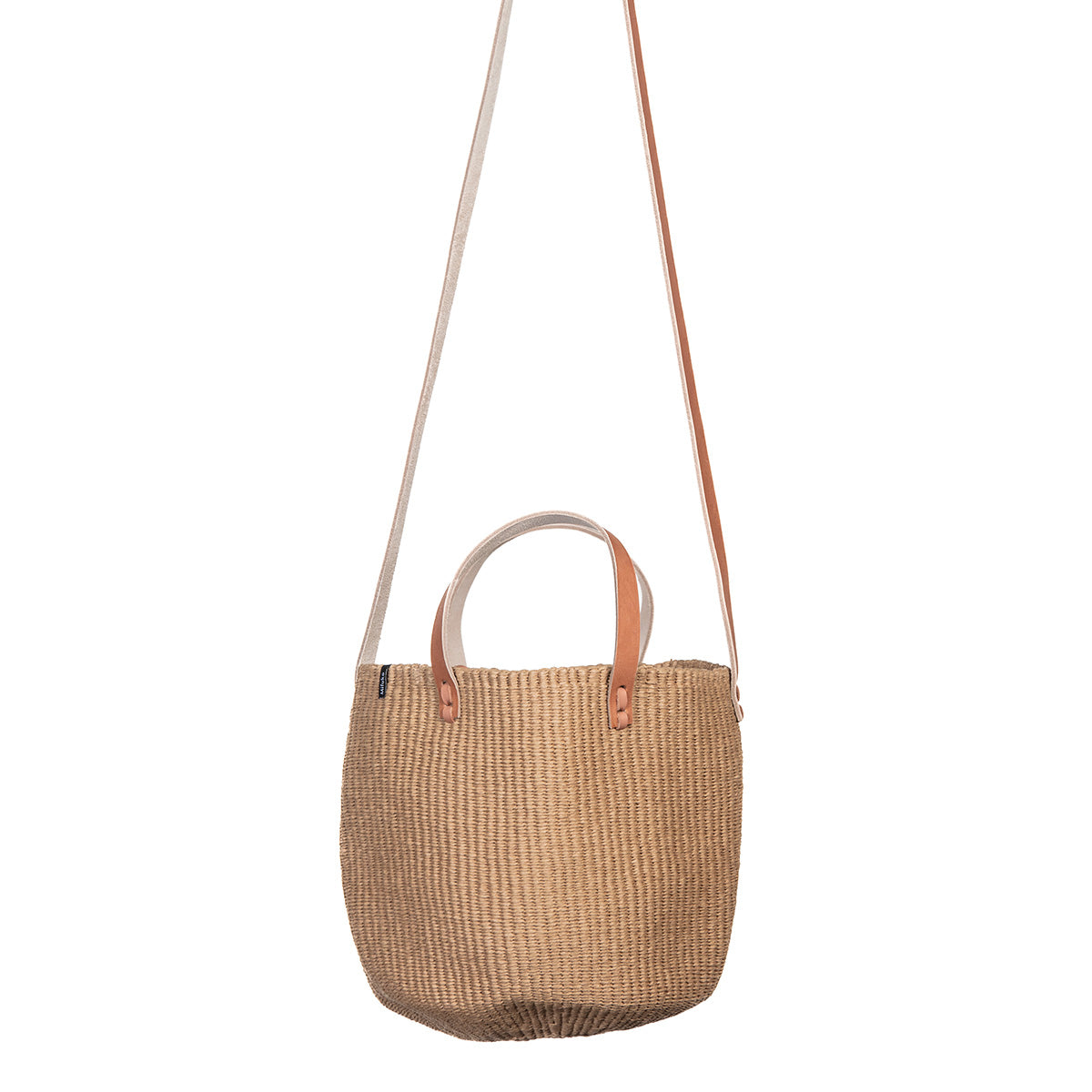
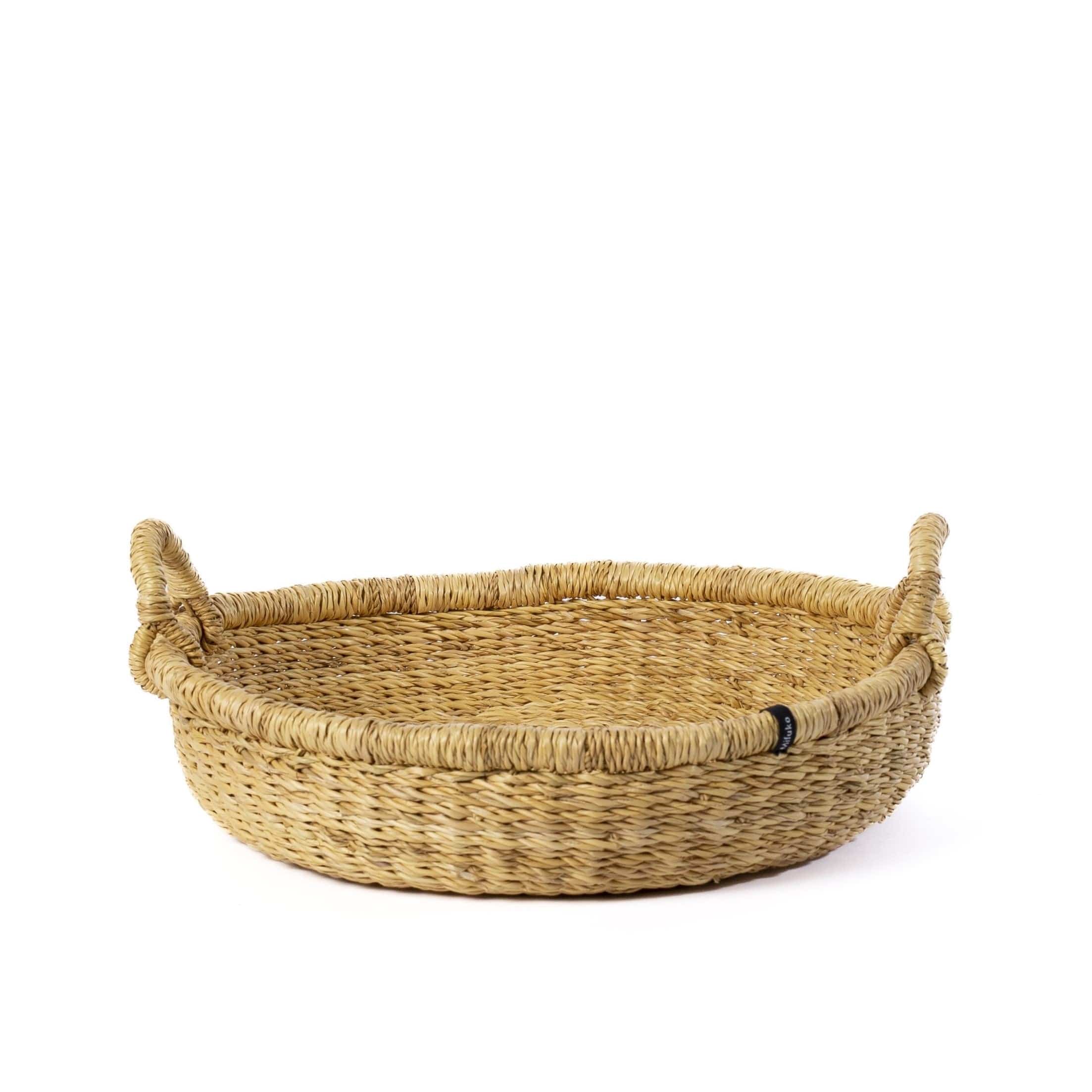
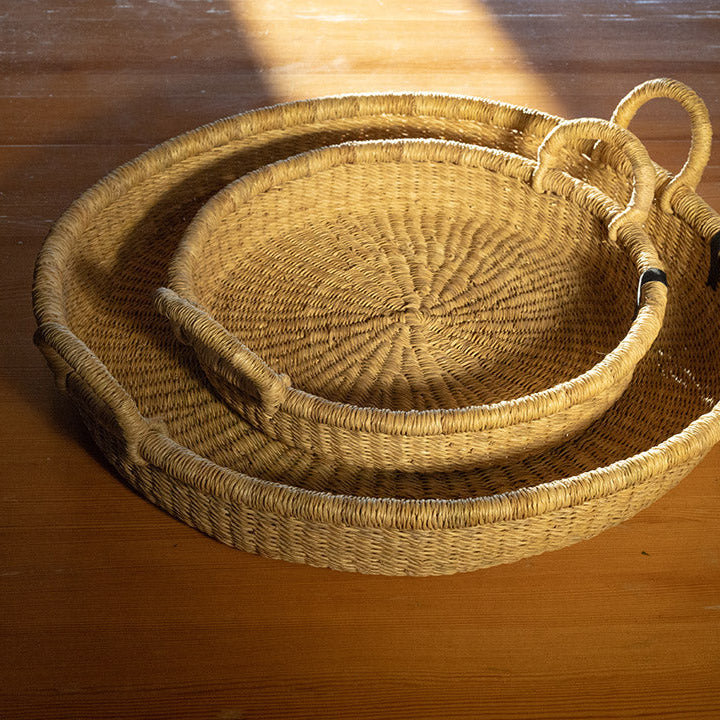
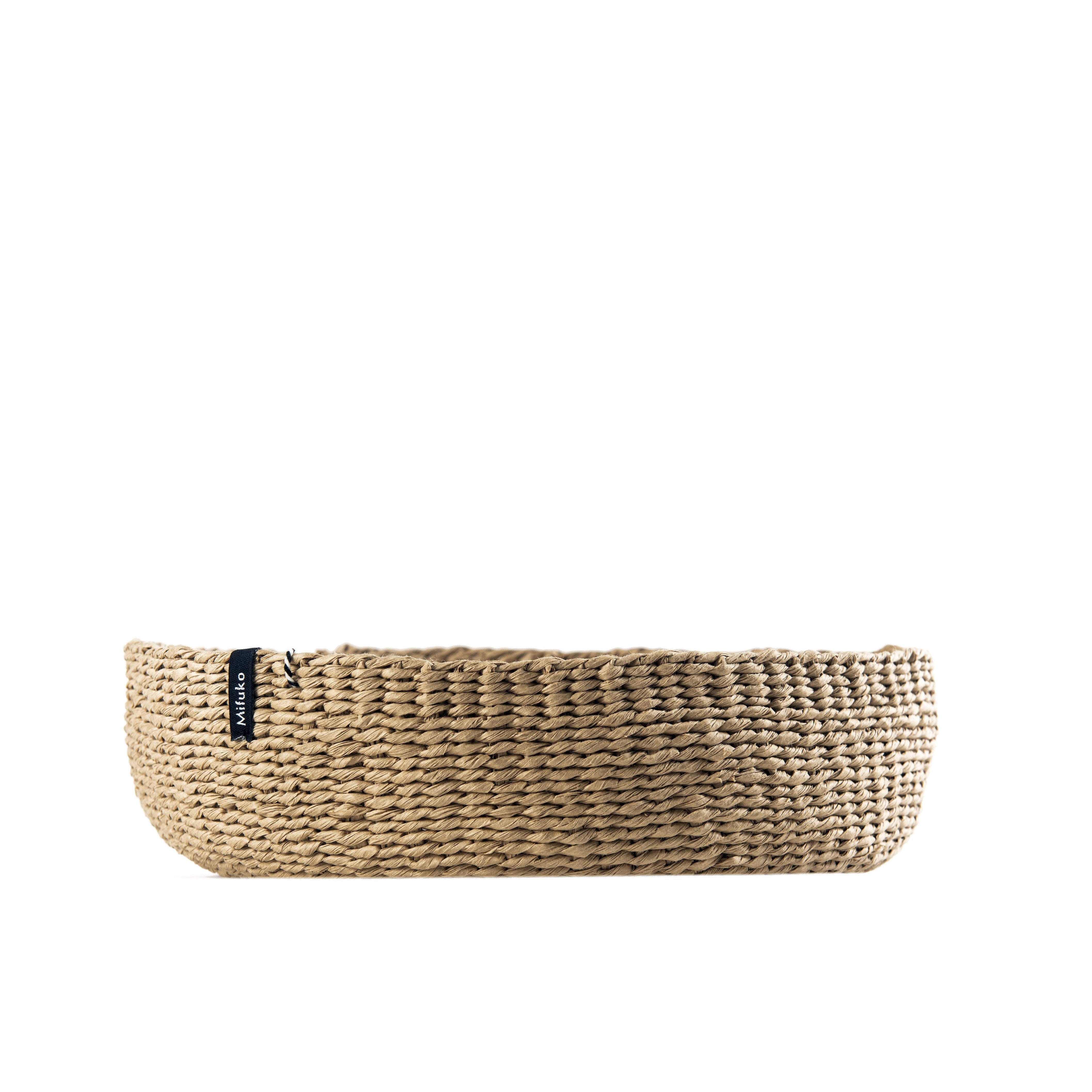
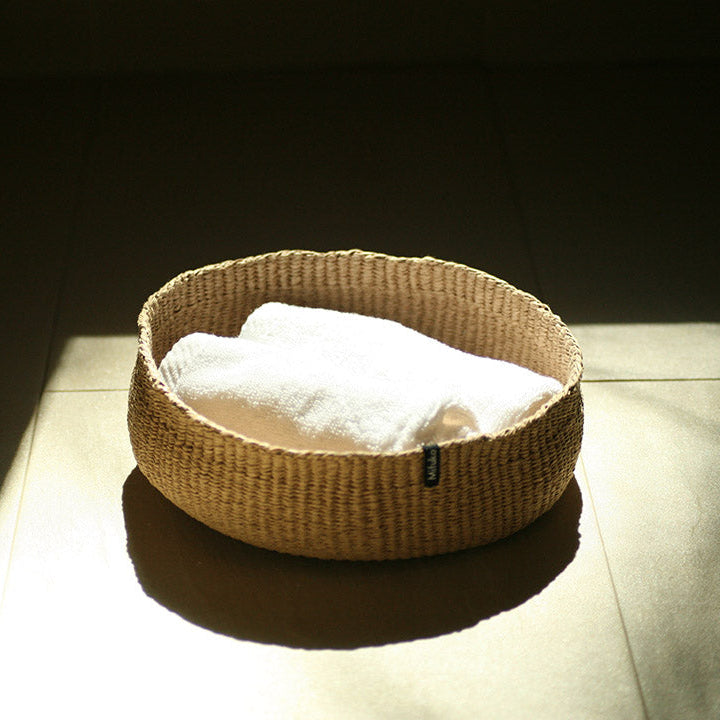
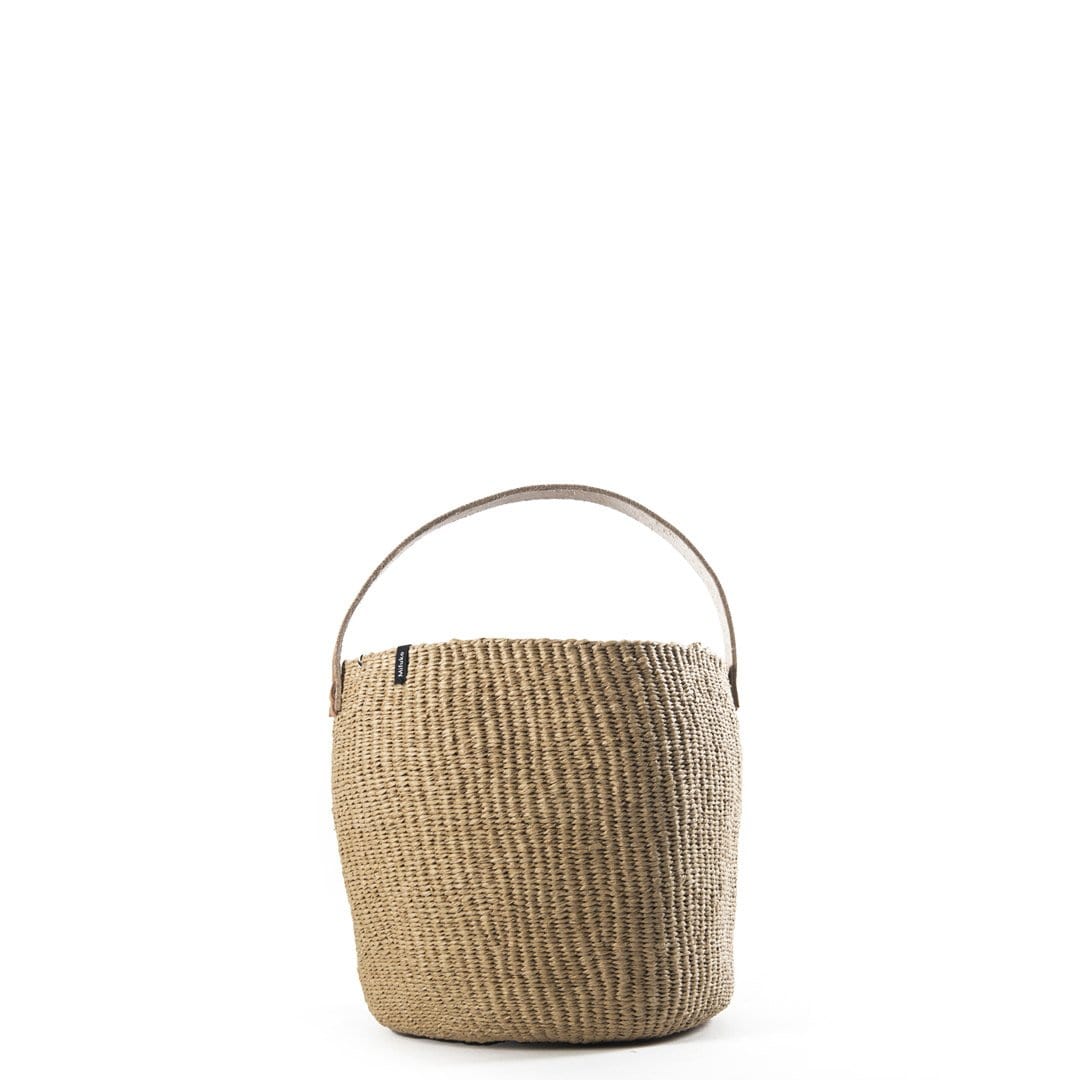

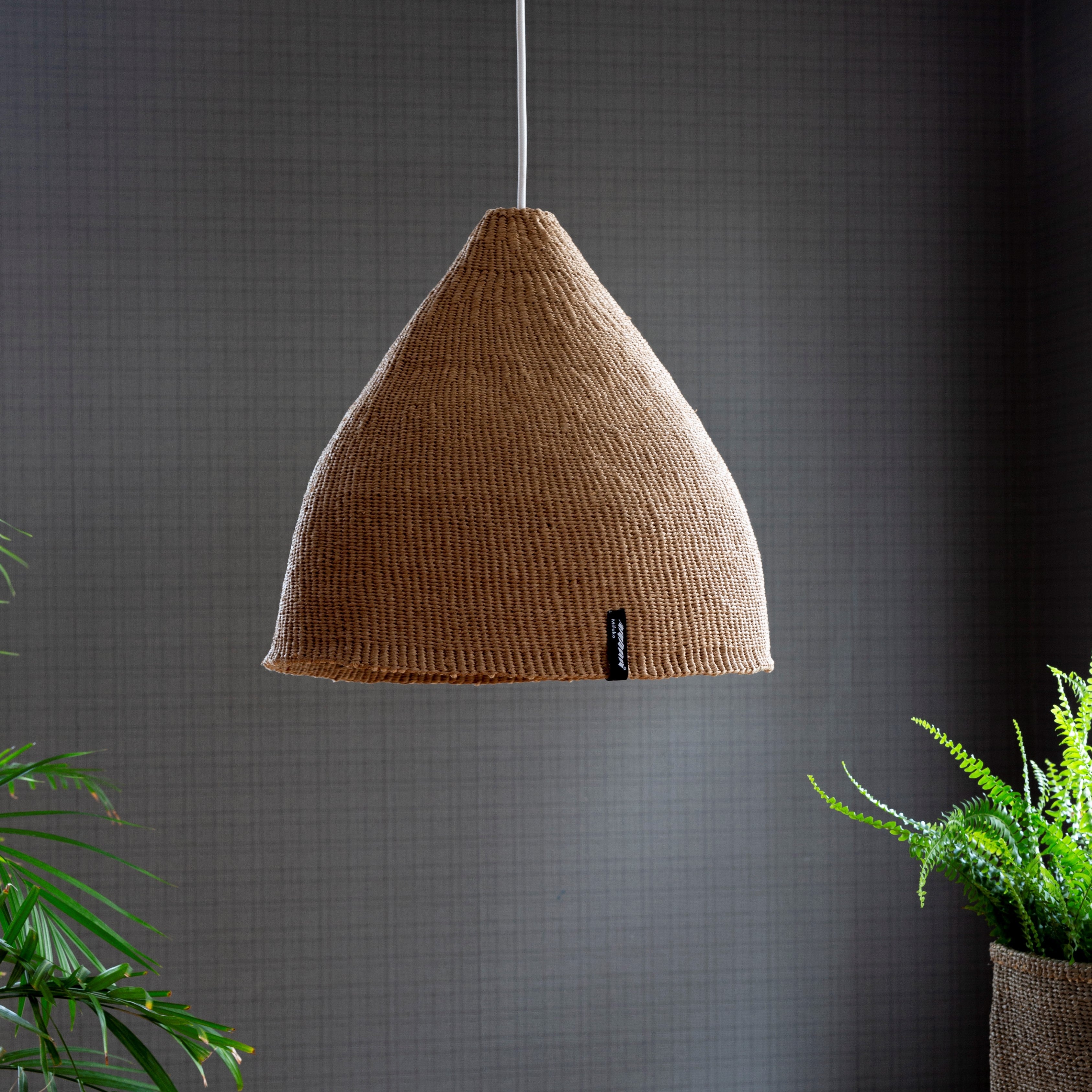
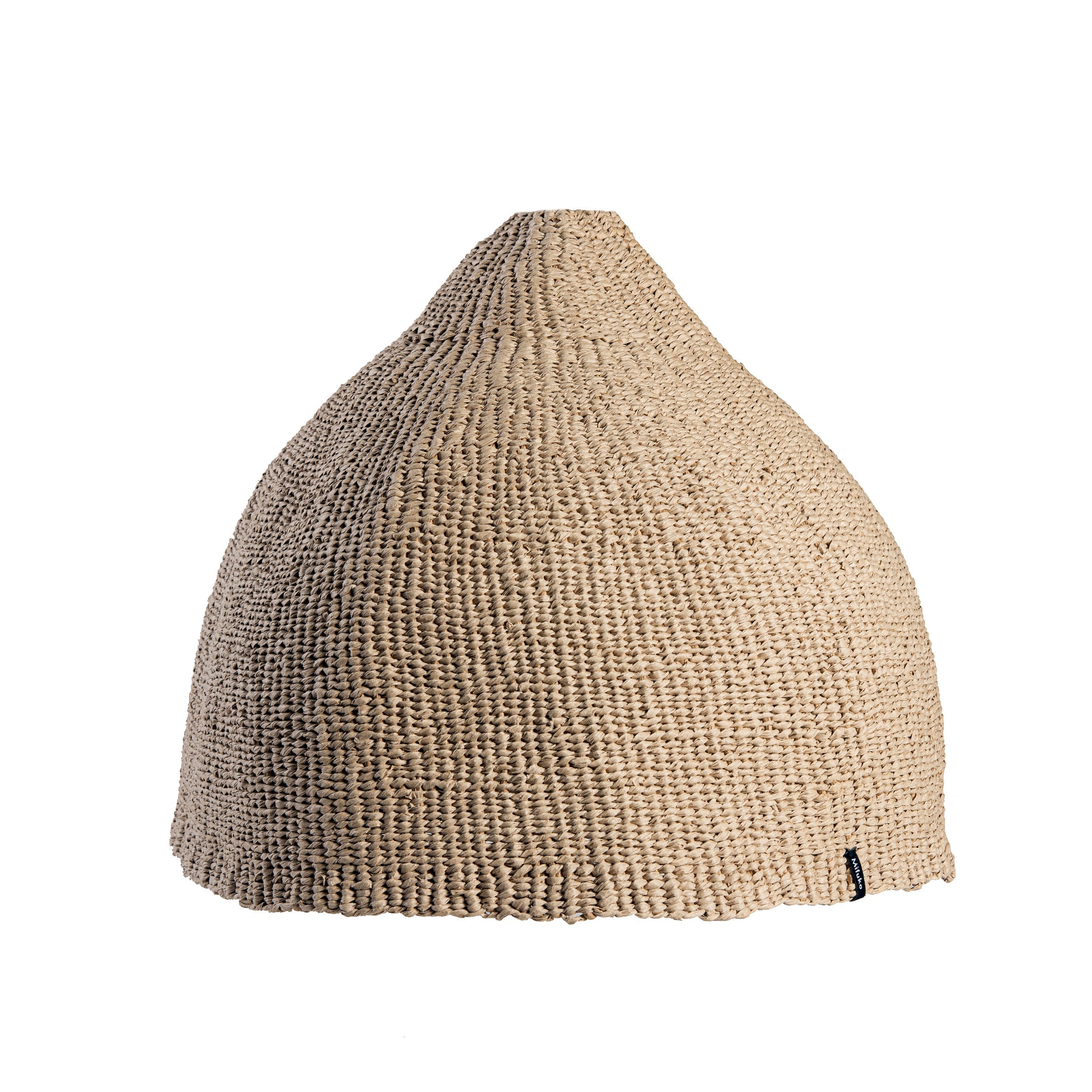
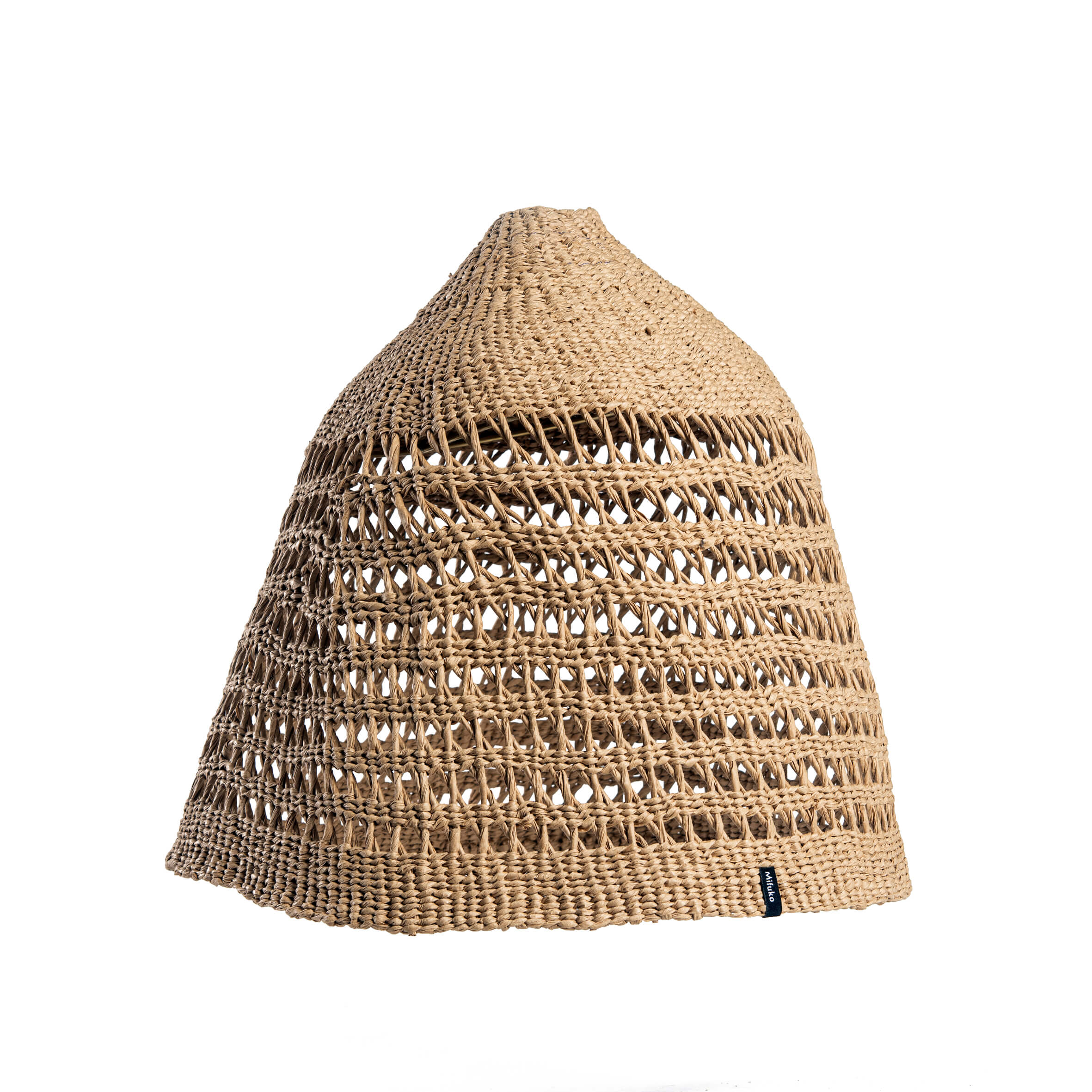
Décor products for home

10 principles
Read more about the ten fair trade principles that every WFTO member organisation must follow.
Sustainability
Learn more about what it means to be radically sustainable and have a
positive impact.
Mifuko Trust
Mifuko Trust was founded to tackle poverty and increase the well-being of our artisans.
Mifuko Blog
Latest articles
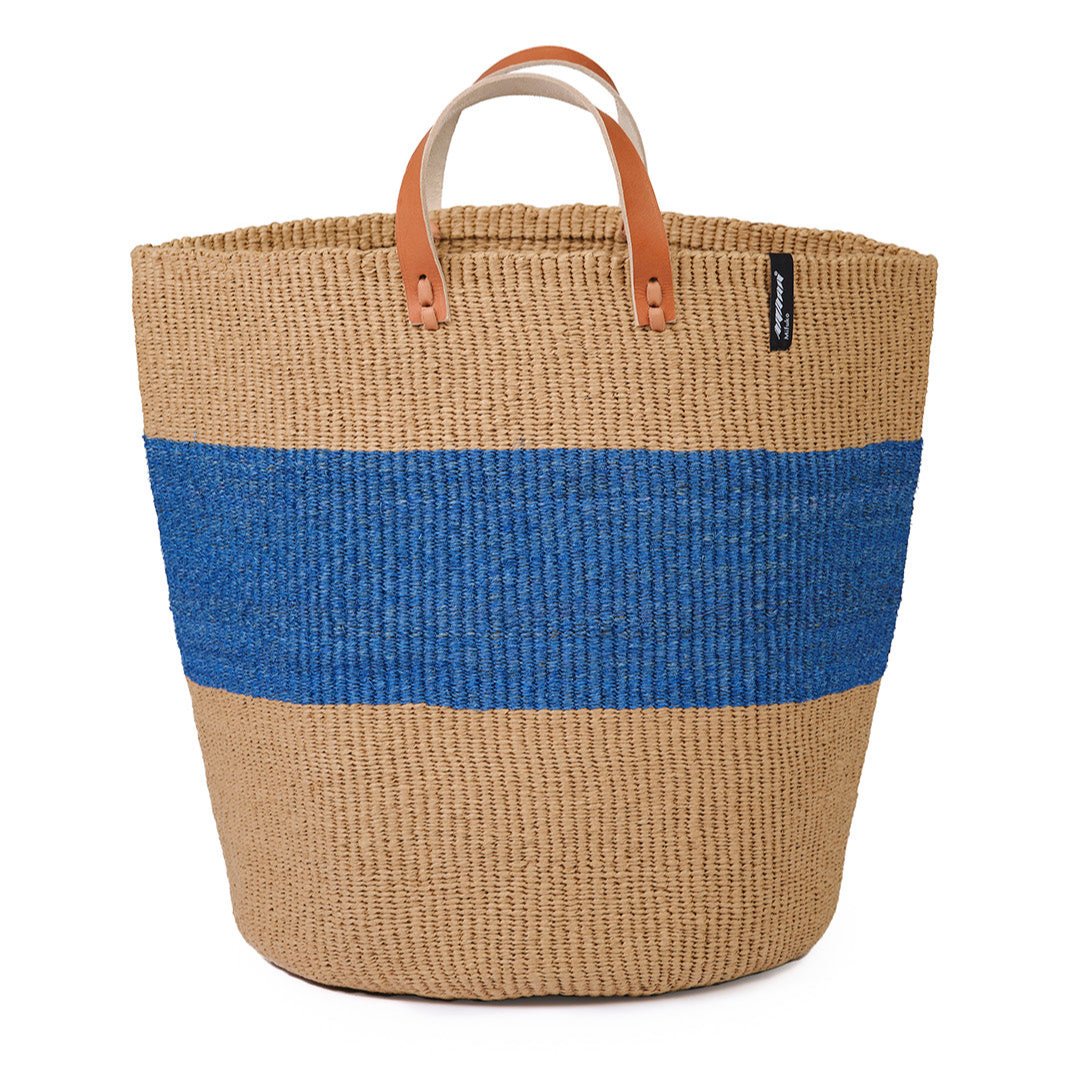
Ethical design basket: How to recognize an authentic and sustainably made home decor product?
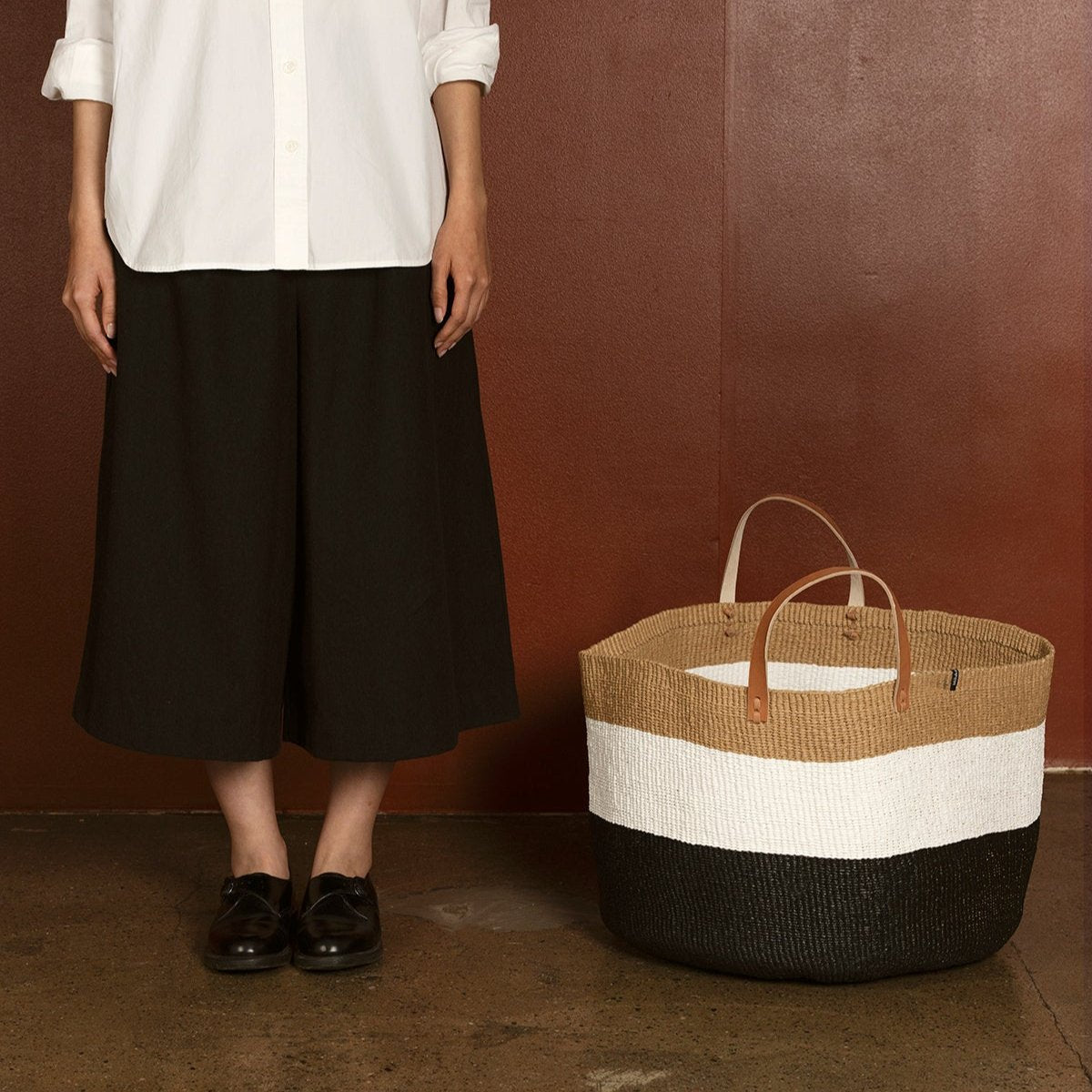
Breathable decorative laundry basket: How to avoid musty smells and mold in dirty laundry?